本页(24 个单词):
 h
hasten #10,066To make something happen more quickly
 p
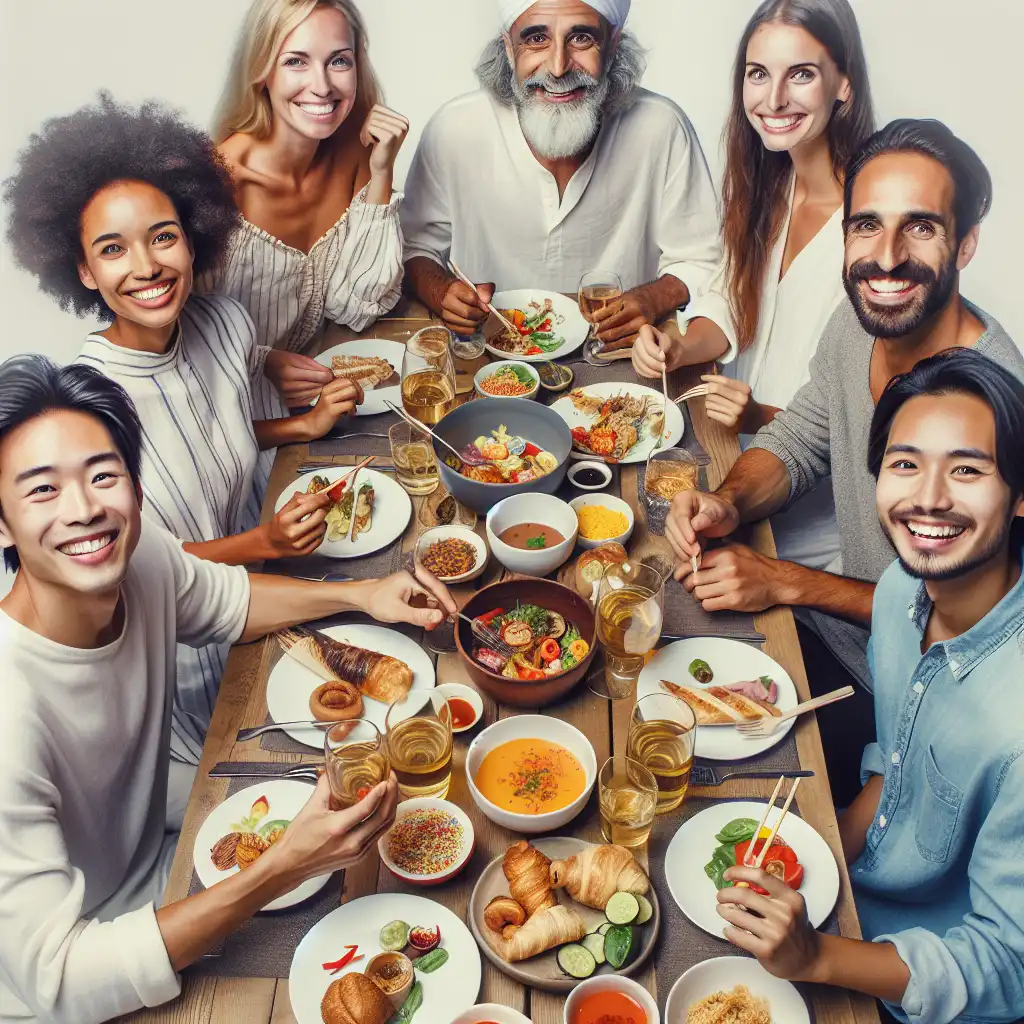
partake #10,067to eat or drink something, to get involved or share in something with others
 s
serendipity #10,069The chance occurrence of events in a beneficial way
 t
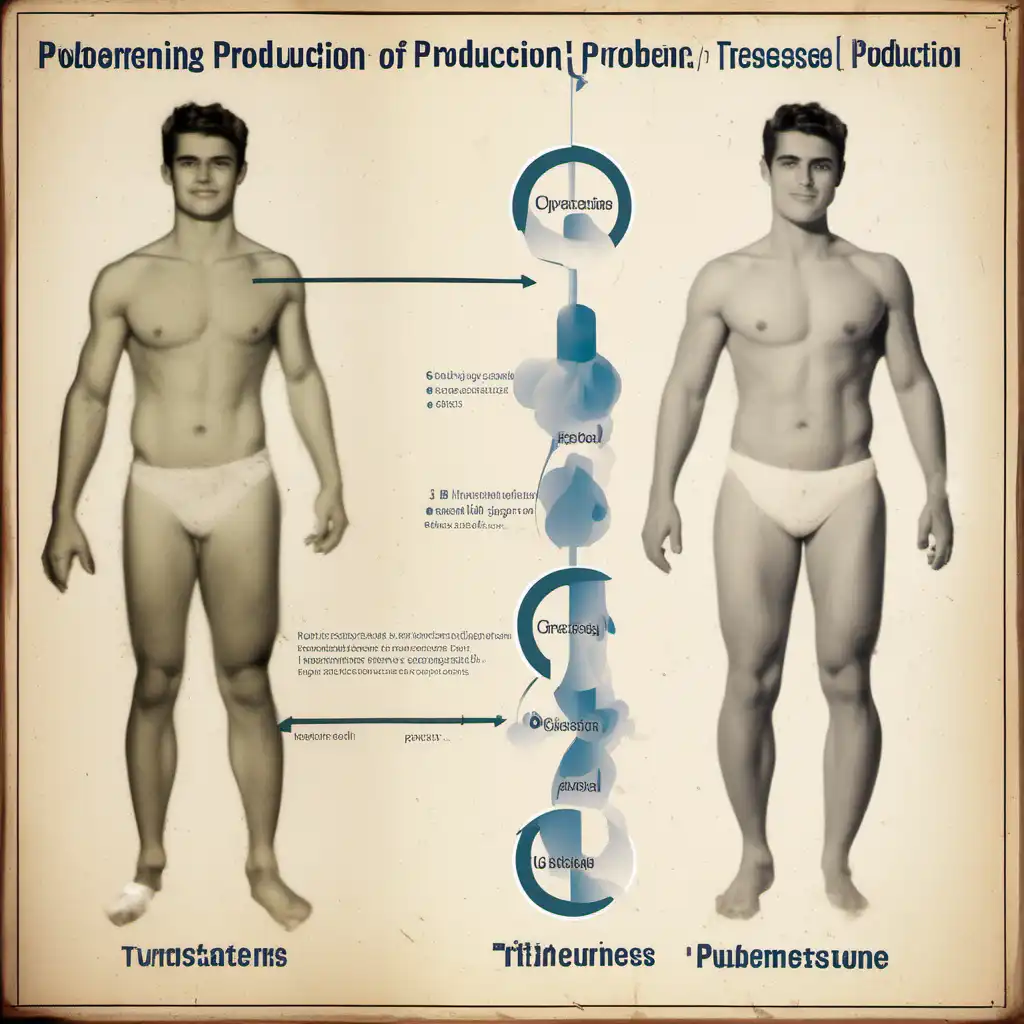
testosterone #10,071A hormone produced mainly by boys and men that makes them develop male characteristics.
 b
biochemical #10,074related to the chemical reactions and substances in living organisms
 r
repel #10,076To push or force something or someone away or back.
 l
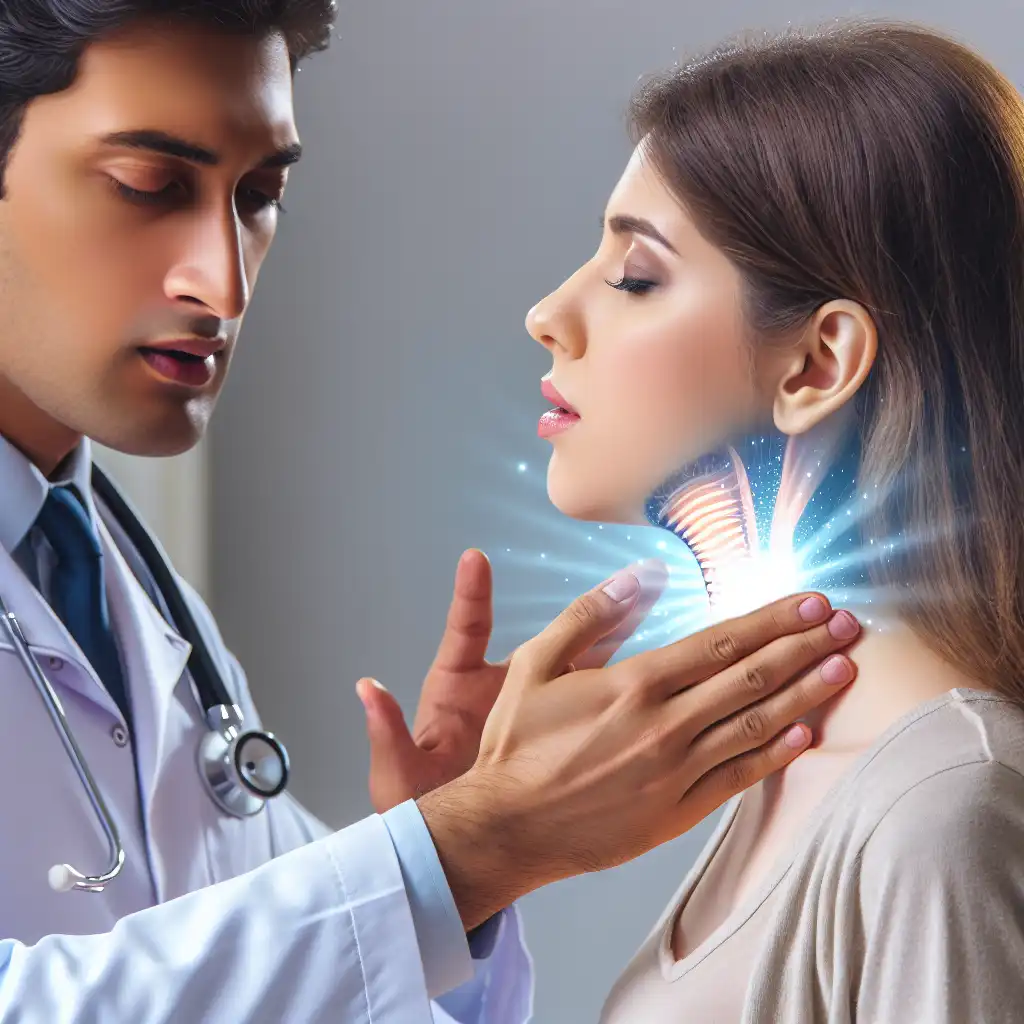
larynx #10,081The part in your throat that contains the vocal cords which help produce speech and sound
 c
capricious #10,083Someone or something that changes mood or behavior quickly and unexpectedly.
 p
promiscuous #10,084A person who has sexual relationships with a lot of different people without any serious commitment.
 n
neurologist #10,085A doctor who studies and treats diseases of the nervous system
 e
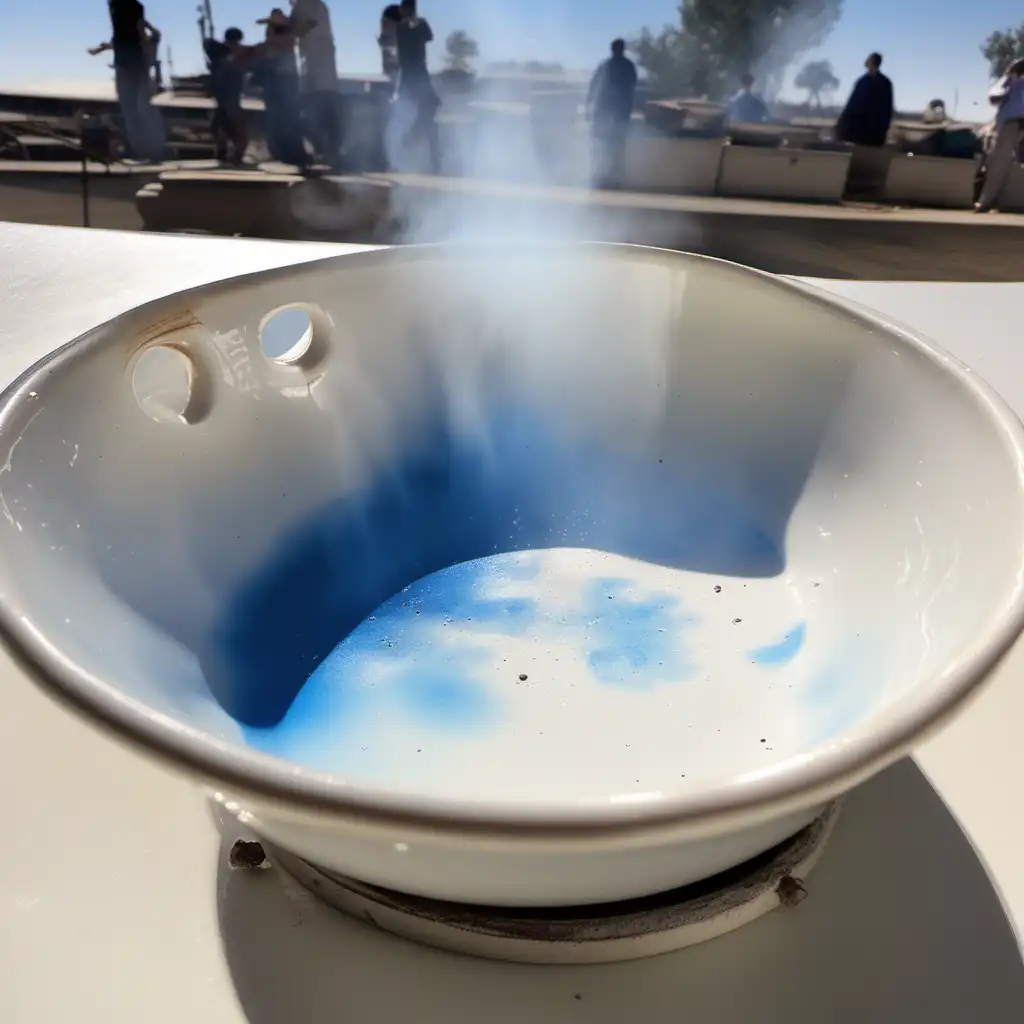
evaporate #10,087When a liquid changes to a gas or steam due to heat.
 a
apprehend #10,096To capture or arrest someone, especially a criminal
 r
rustle #10,107To make a soft sound, like leaves moving in the wind
 g
grope #10,109To search blindly or uncertainly by feeling with the hands
 p
proxy #10,119A person or thing that takes the place of another.
 m
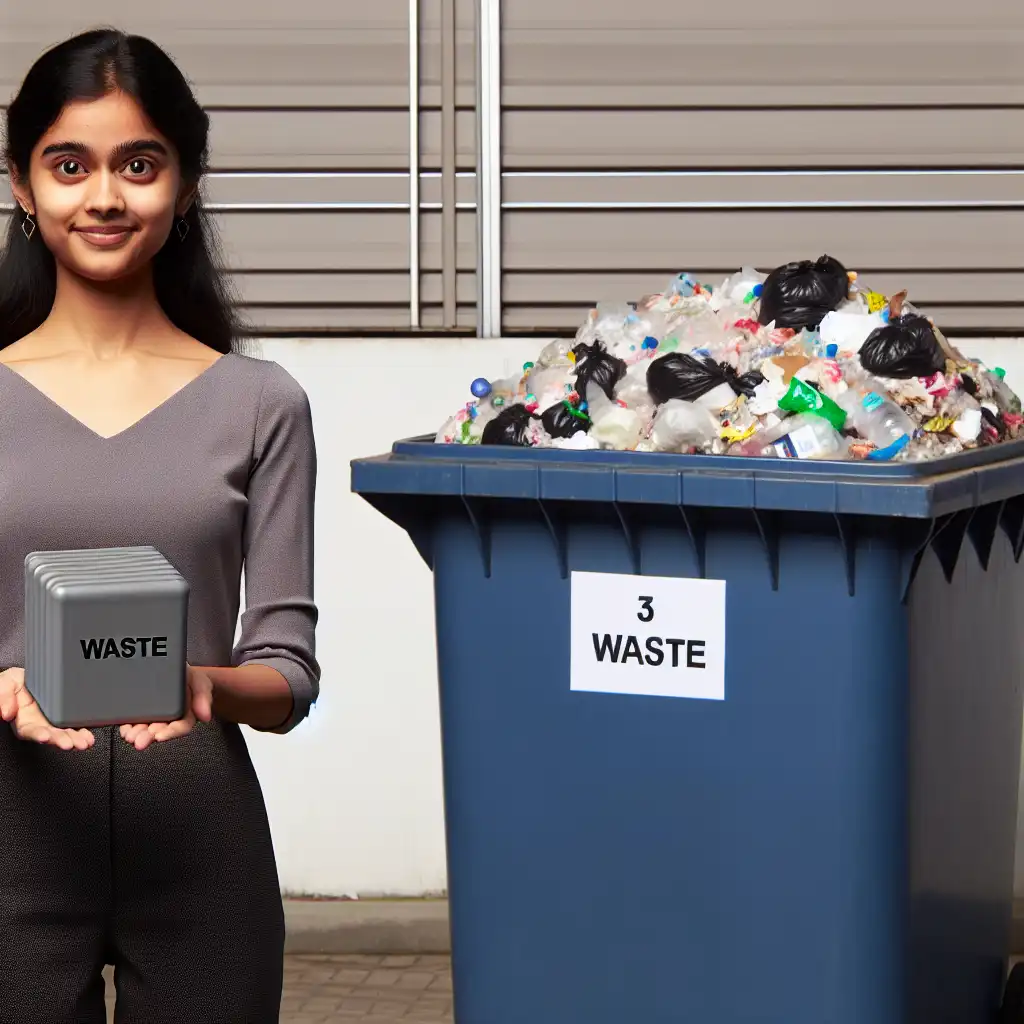
minimize #10,120To make something as small as possible
 a
anthropology #10,121The scientific study of humans, their society and culture
 g
glucose #10,122A type of sugar in your body and food that your body uses for energy.
 c
clutter #10,124A messy collection of items scattered around
 t
tripod #10,125A three-legged stand or support, especially one used for a camera or telescope.
 c
contingent #10,126Depending on something else in the future that might or might not happen
 c
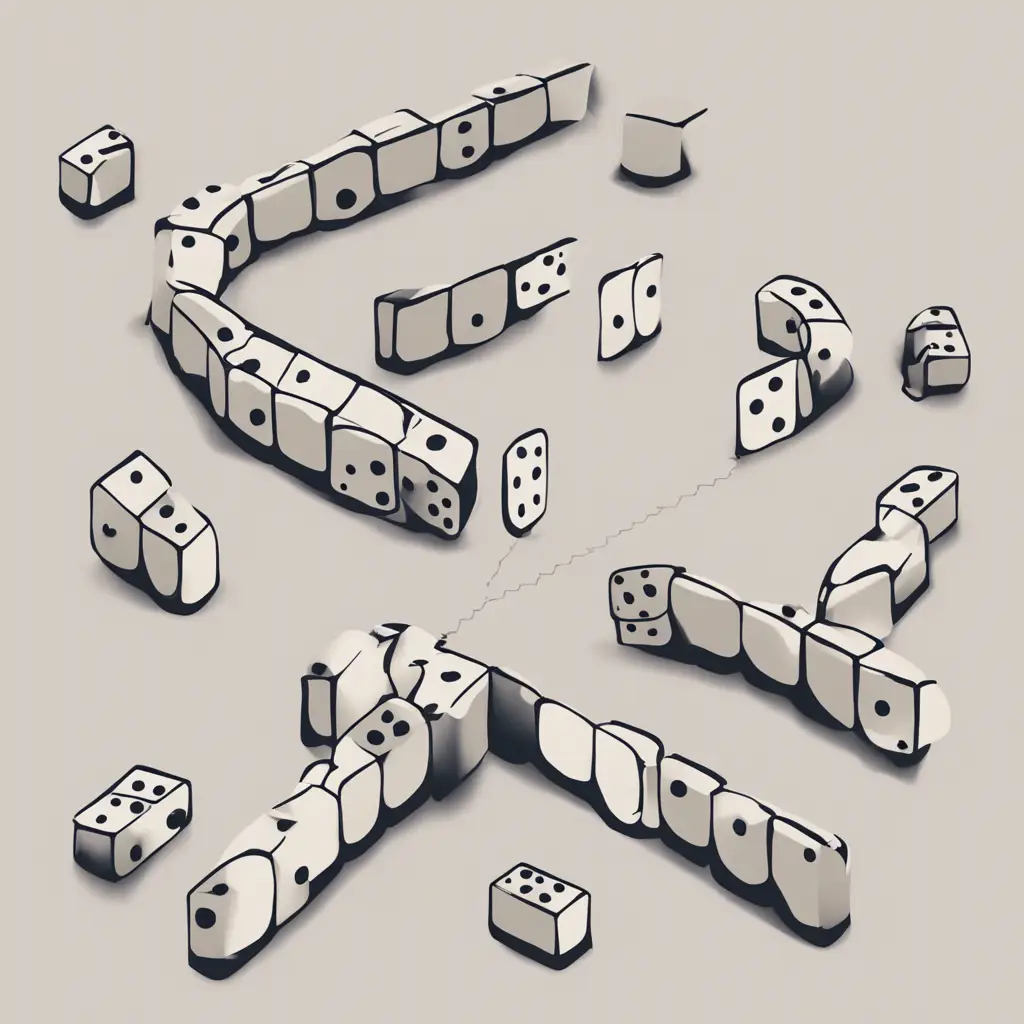
contingency #10,127A situation that could happen based on certain things happening first
 s
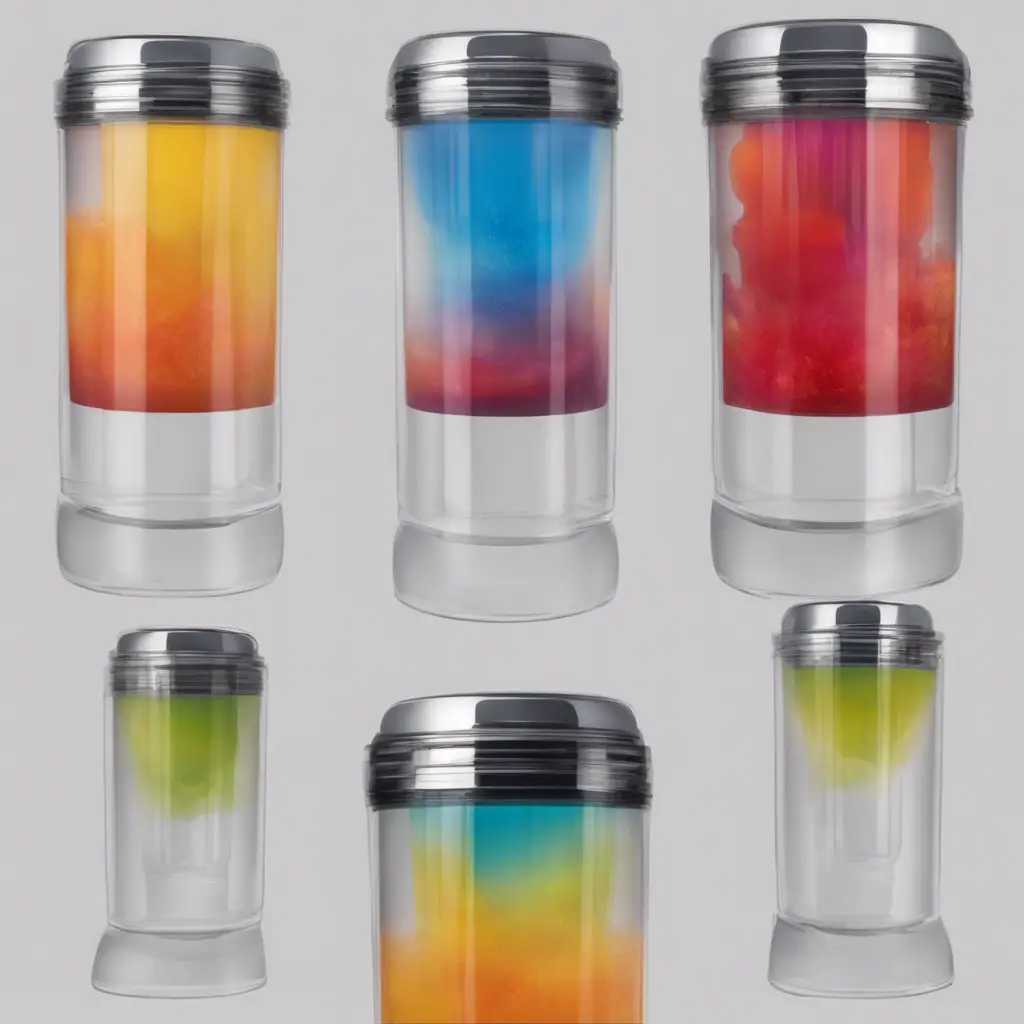
shaker #10,132A container used for shaking, mixing and storing liquids, like drinks or salad dressings
 s
silhouette #10,136The shape or outline of something seen against light.