本页(24 个单词):
 s
sensor #7,151A device that detects or measures a physical property and records, indicates, or otherwise responds to it.
 p
preference #7,153A feeling that you like something or someone more than other things or people.
 m
moisture #7,157Wetness caused by water or liquid
 p
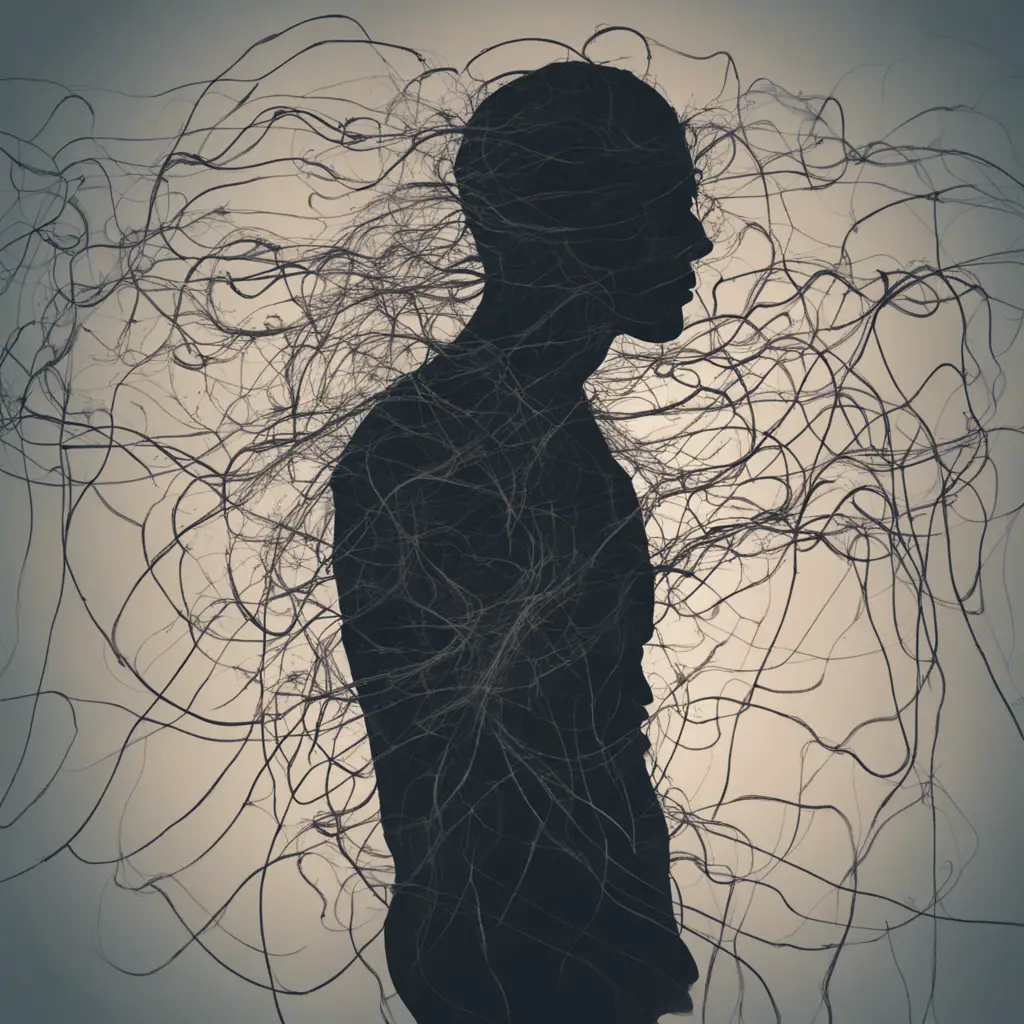
psycho #7,159A person who is mentally ill, especially in a way that makes them behave violently towards others.
 a
adolescence #7,163The period in someone's life when they are changing from a child to an adult.
 a
adolescent #7,164A person who is in the age between being a child and becoming an adult
 s
strive #7,170To try very hard to achieve something
 e
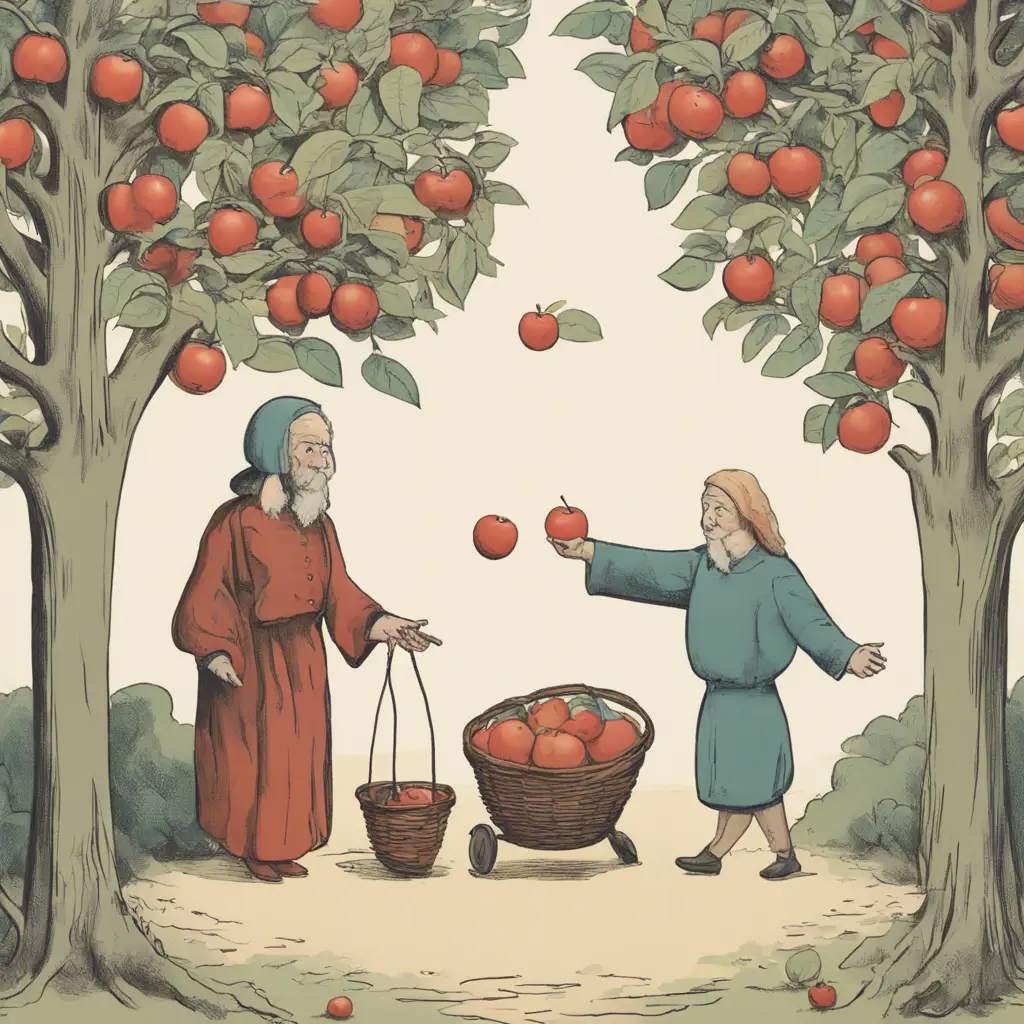
exploitation #7,171The act of using someone or something unfairly for your own advantage
 p
paramount #7,174The most important or highest in rank
 s
symptom #7,176A sign that something is not right, usually related to health.
 c
clamp #7,178An instrument used to hold or secure things tightly together.
 s
stimulate #7,180to encourage or push into action; arouse interest
 c
competitor #7,181A person or group trying to win something or be more successful than others.
 a
accelerate #7,182to increase speed or make something happen faster
 t
trolley #7,183A large cart with wheels that you push and use in supermarkets
 p
pant #7,186a short, quick breath, often because of being tired
 o
outbreak #7,188A sudden start of something like a disease or conflict
 a
avalanche #7,189A mass of snow, ice, and rocks falling quickly down a mountainside
 e
epileptic #7,190Related to or suffering from epilepsy, a brain condition causing people to have sudden, violent fits.
 e
epilepsy #7,191A medical condition that affects the brain and makes a person have seizures.
 c
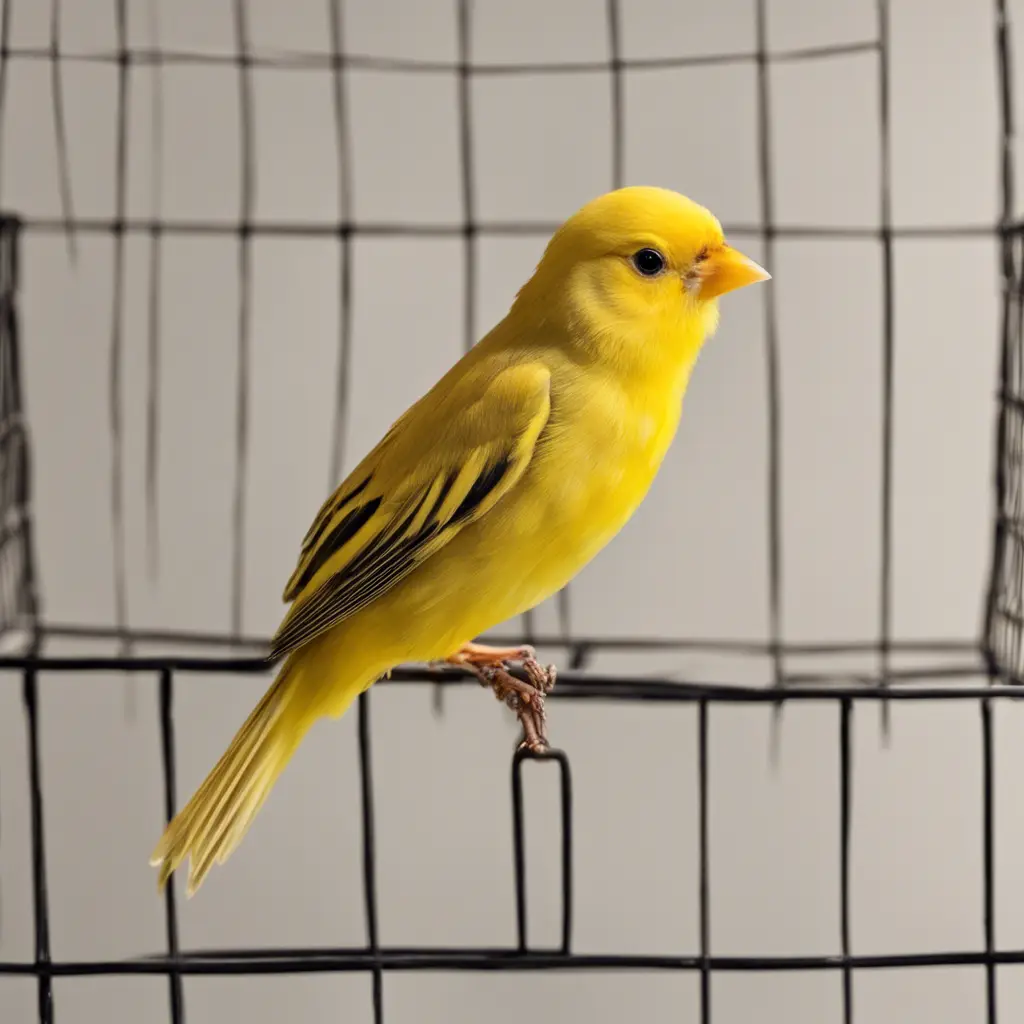
canary #7,195A small bright-yellow bird that is often kept as a pet.
 h
harp #7,197A large musical instrument with many strings that you play with your fingers
 p
psychoanalysis #7,197A method of understanding and treating mental illnesses by looking deep into a person's memories, thoughts and feelings
 p
paradox #7,199A statement or situation that may be true but seems impossible or difficult to understand because it contains two opposite facts or characteristics.