本页(24 个单词):
 c
cheek #3,350The soft part of the face below the eye and between the mouth and the ear
 s
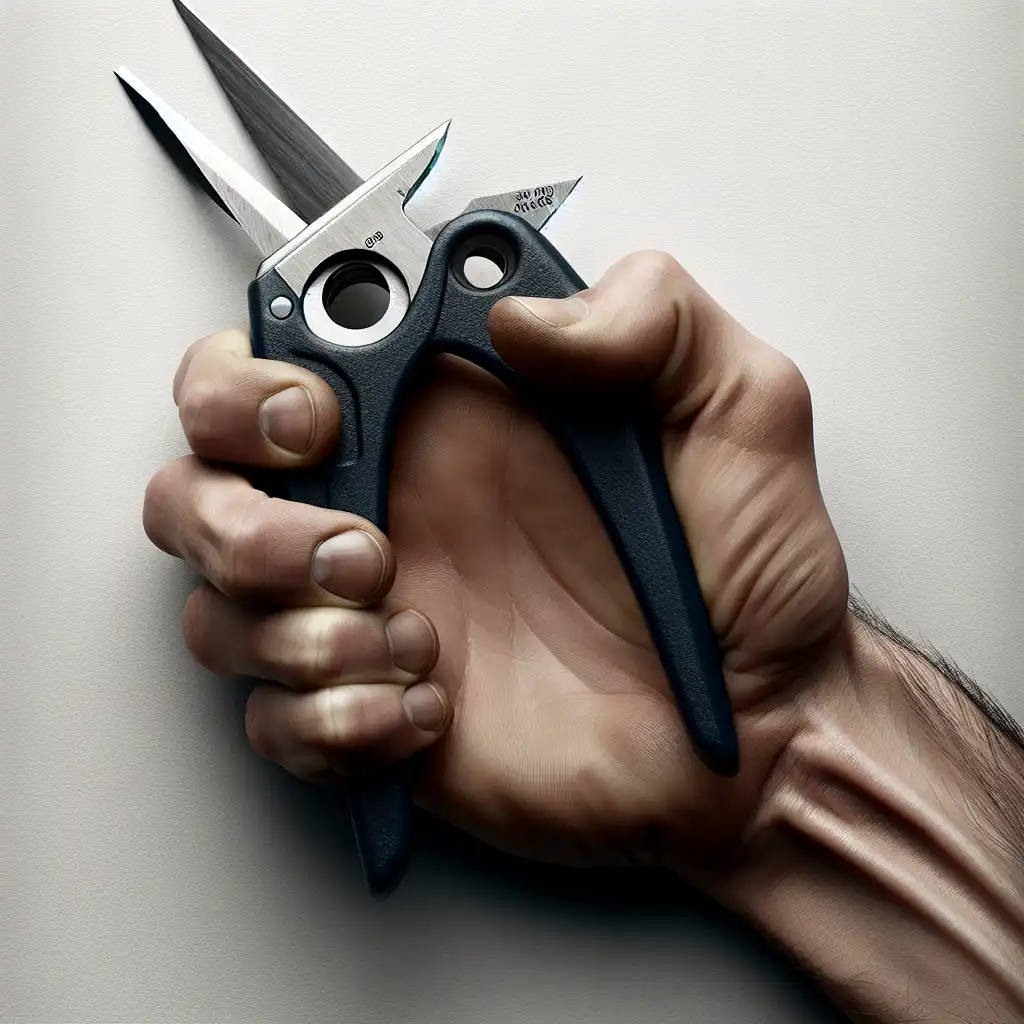
scissors #3,352A tool used for cutting materials such as paper, cloth, hair, etc. It has two sharp blades that are crossed in the middle, and you operate it by putting your fingers through two holes at its end.
 t
tricky #3,353Hard to do or understand
 f
flee #3,356To quickly escape from a place or a situation, usually because you are in danger or something frightens you.
 a
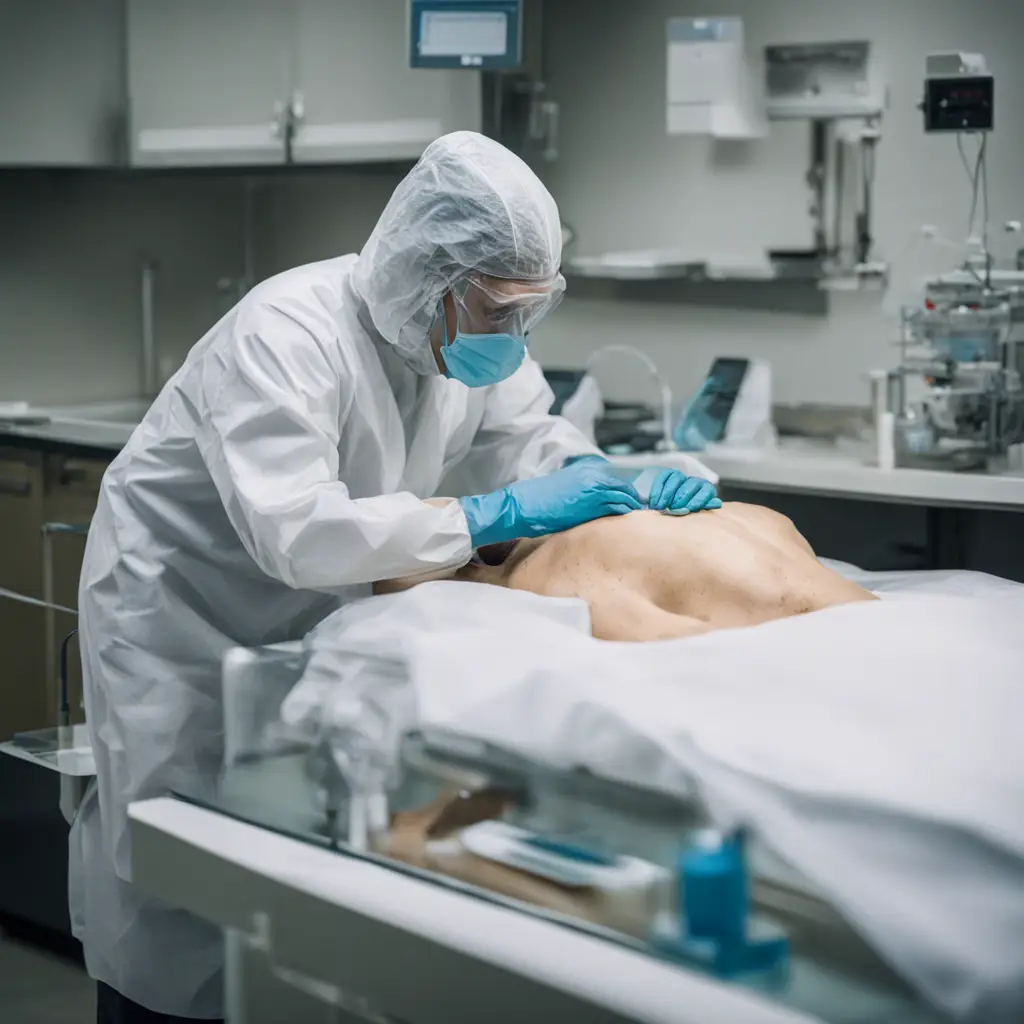
autopsy #3,357A detailed examination of a dead body to find out the cause of death
 l
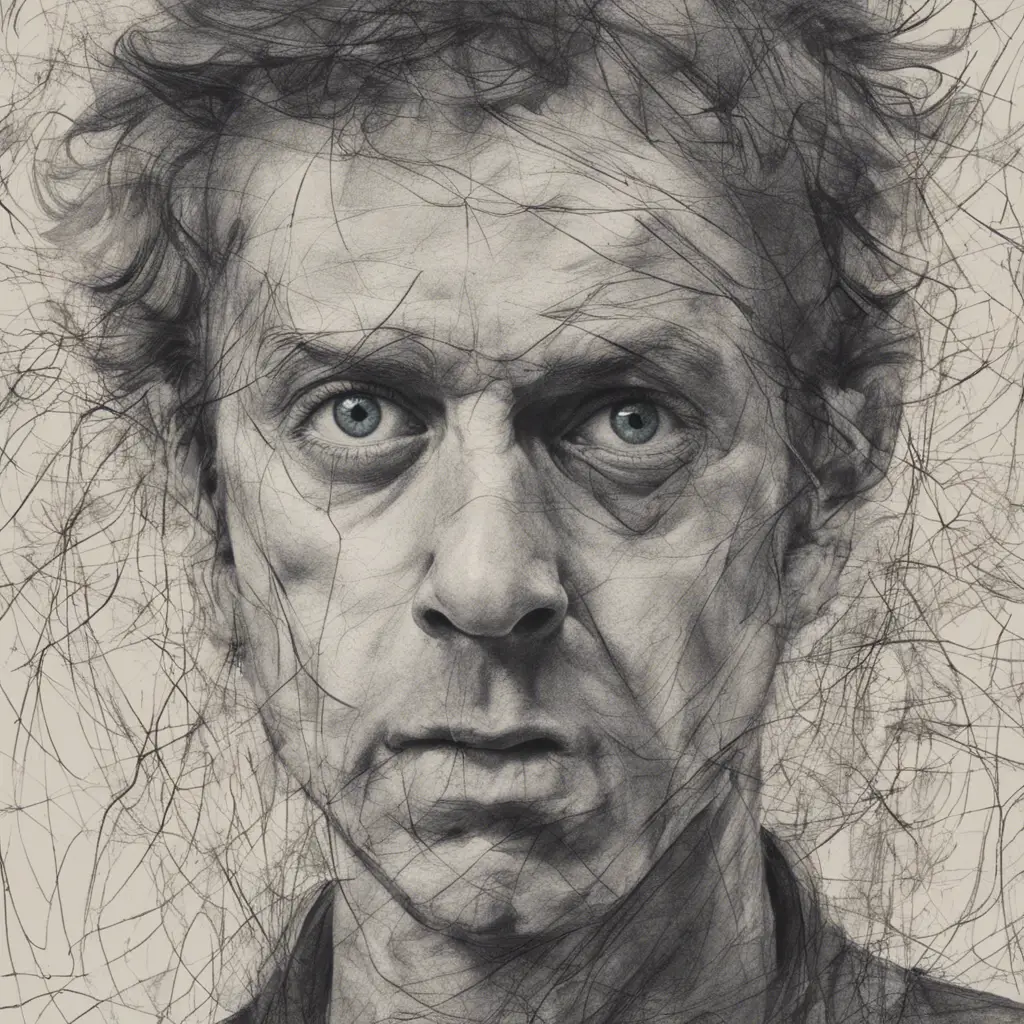
lunatic #3,358A person who is mentally ill or behaves extremely foolishly.
 o
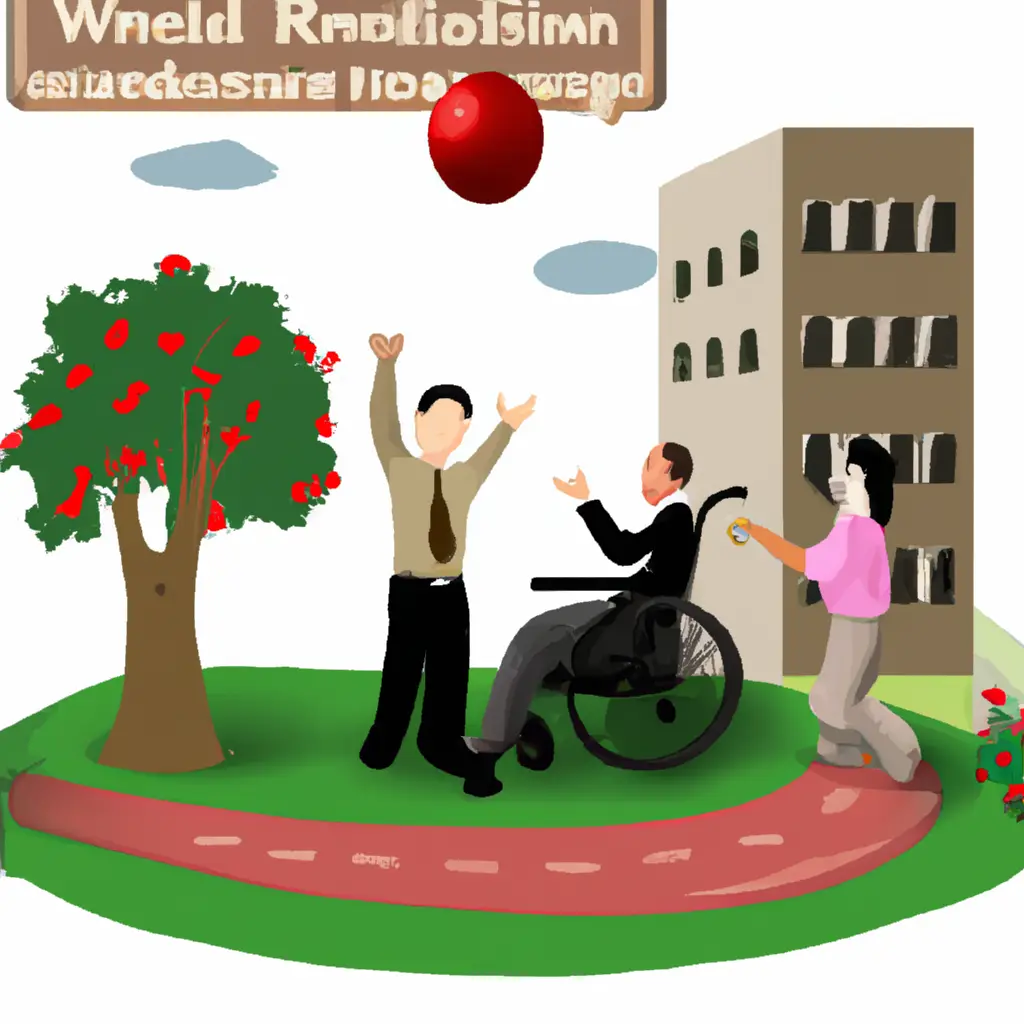
orphanage #3,359A home for children whose parents are dead or unable to care for them.
 q
quote #3,360To repeat the exact words that someone else has said or written.
 v
volume #3,361The amount of space that a substance or object takes up
 m
maximum #3,363The biggest possible amount or the highest possible level.
 s
stream #3,364A small, narrow river
 e
essence #3,365The most important part or quality of something
 e
essential #3,366Very important and necessary
 s
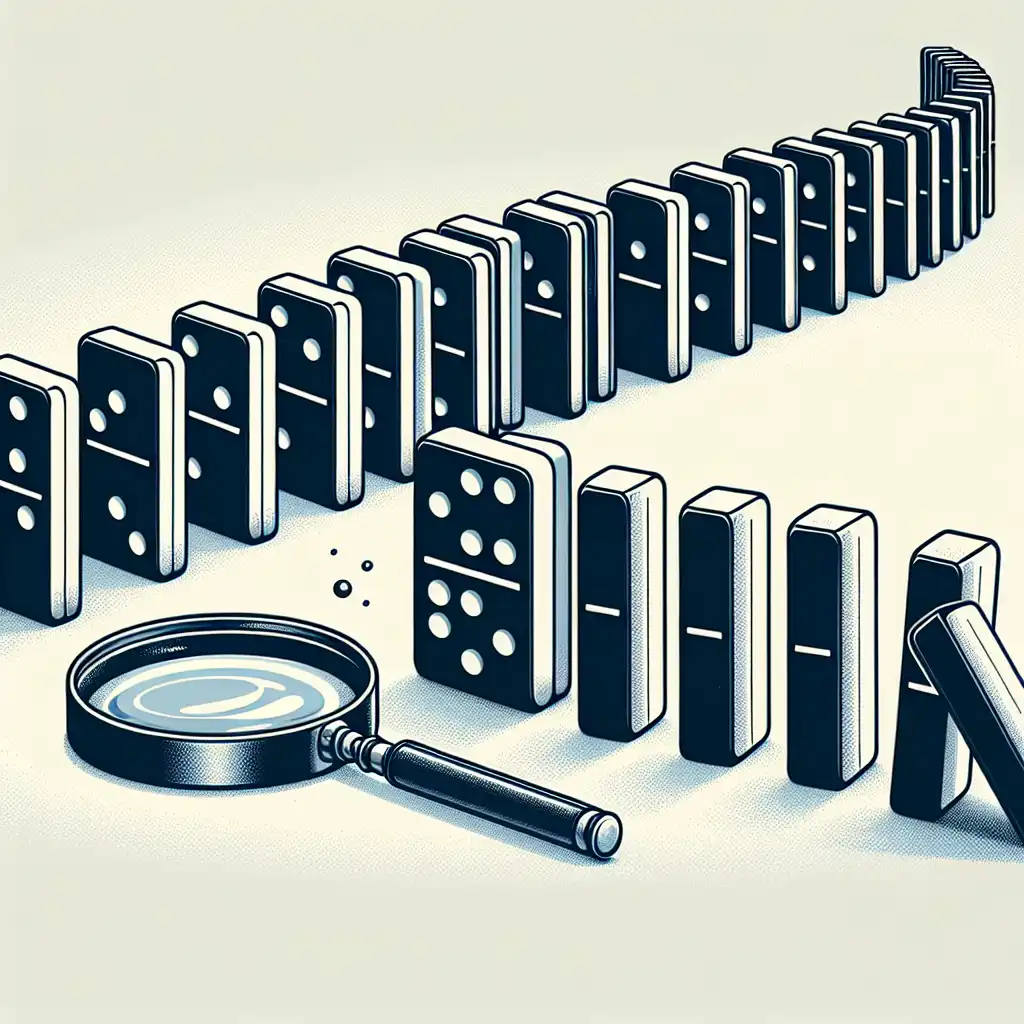
sequence #3,367A set of related events, actions, or things that follow each other in a particular order.
 p
personnel #3,368The people who work for an organization or company
 m
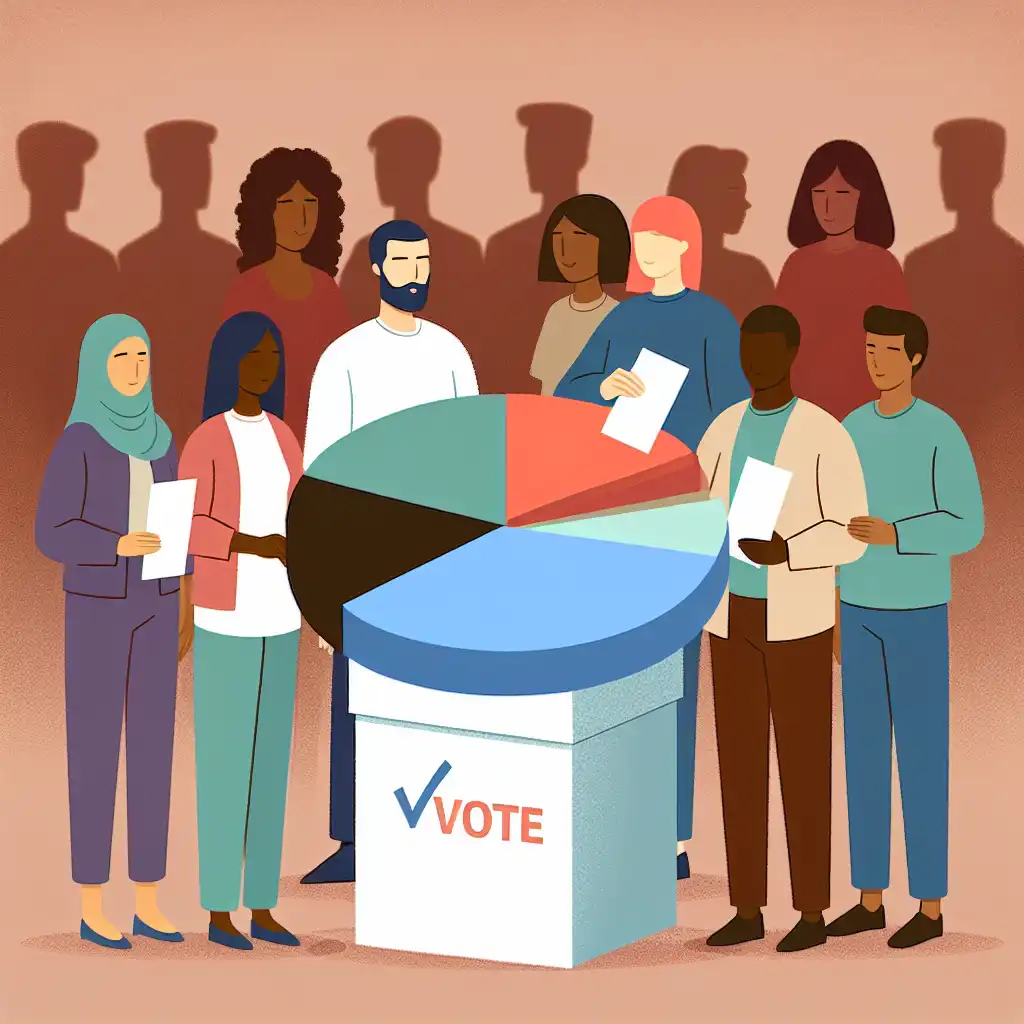
majority #3,369A number that is more than the total of the rest of the numbers
 f
formal #3,370Following all the rules or traditions, usually in an official way
 c
candidate #3,371A person who is competing to get a job or elected position
 n
narrow #3,372Not wide, having a small distance from side to side
 g
gel #3,372A thick, clear, slightly sticky substance, often used in cosmetics or medicine.
 i
input #3,373Information or data that is put into a computer or machine to make it work.
 r
residence #3,373The place where someone lives; a home.
 g
genetic #3,374Related to genes or heredity
 i
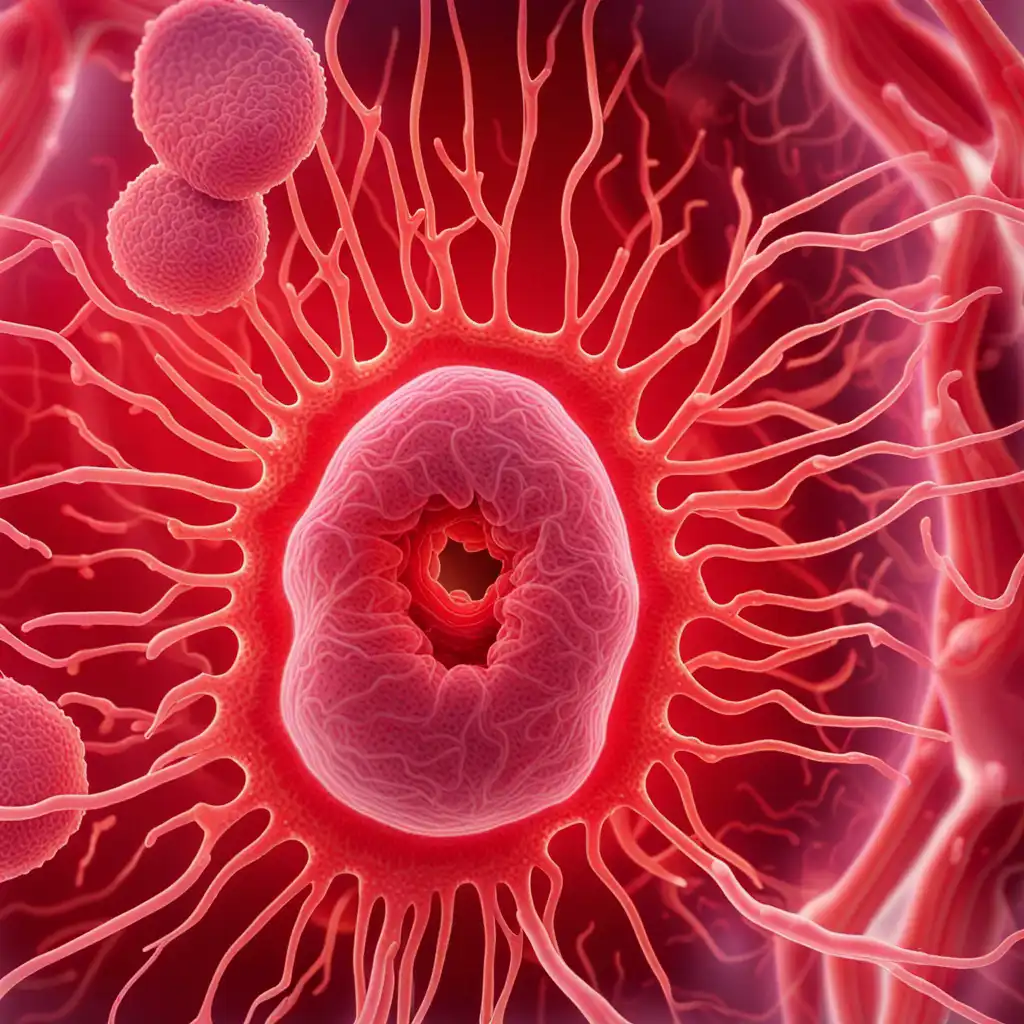
infection #3,375When harmful germs enter the body and cause disease.