本页(24 个单词):
 p
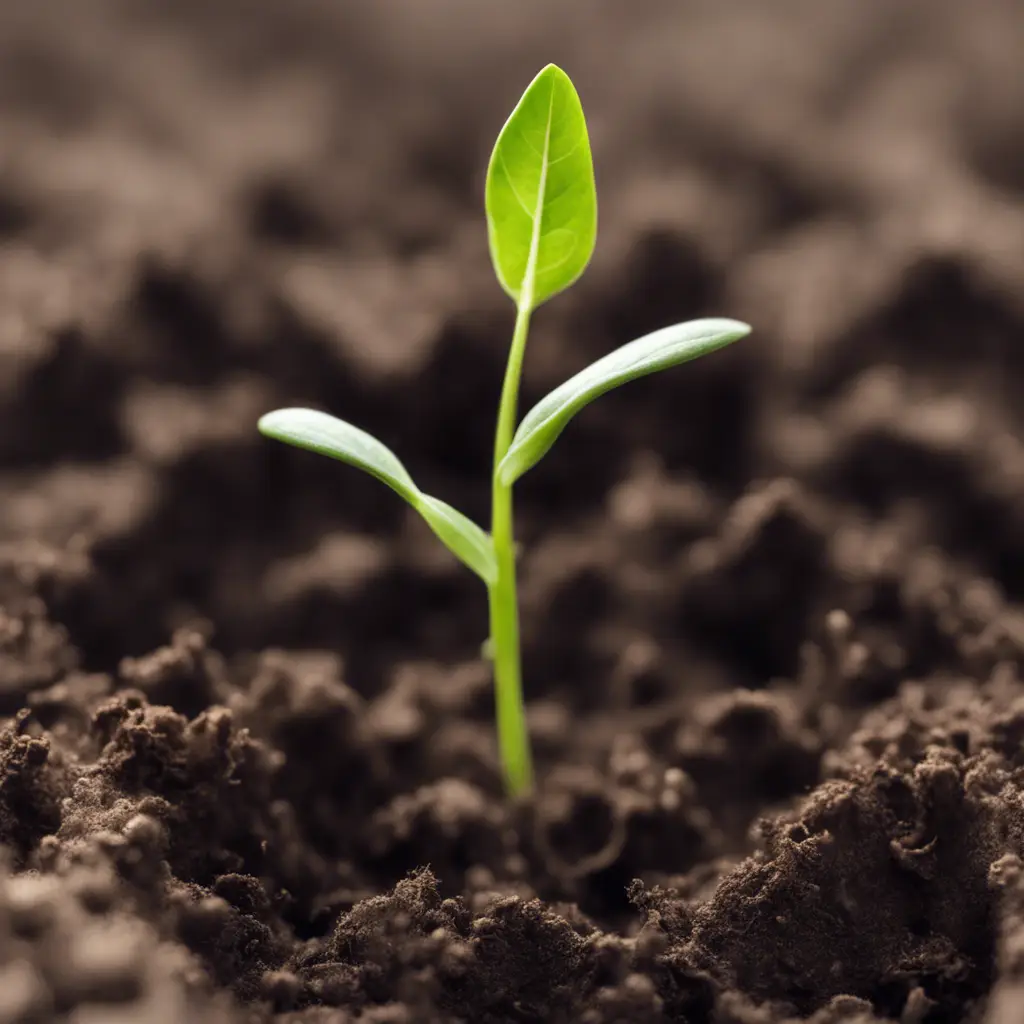
primitive #4,090Related to an early, less complex, stage of development.
 t
tuck #4,093To push, fold or turn the edges or ends of something, usually a piece of cloth or paper, to keep it in place or make it neater.
 e
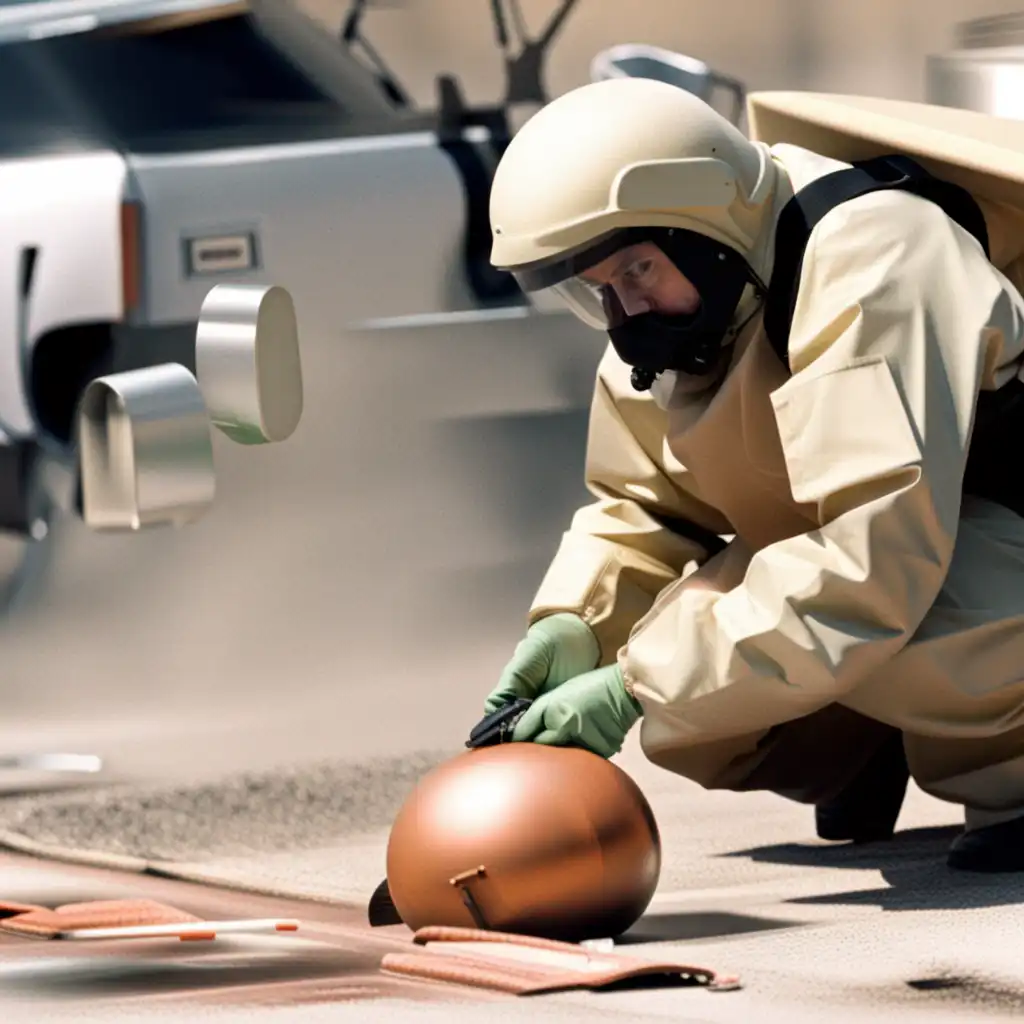
explosive #4,095Able to or likely to explode.
 f
fade #4,097To slowly disappear or become less
 h
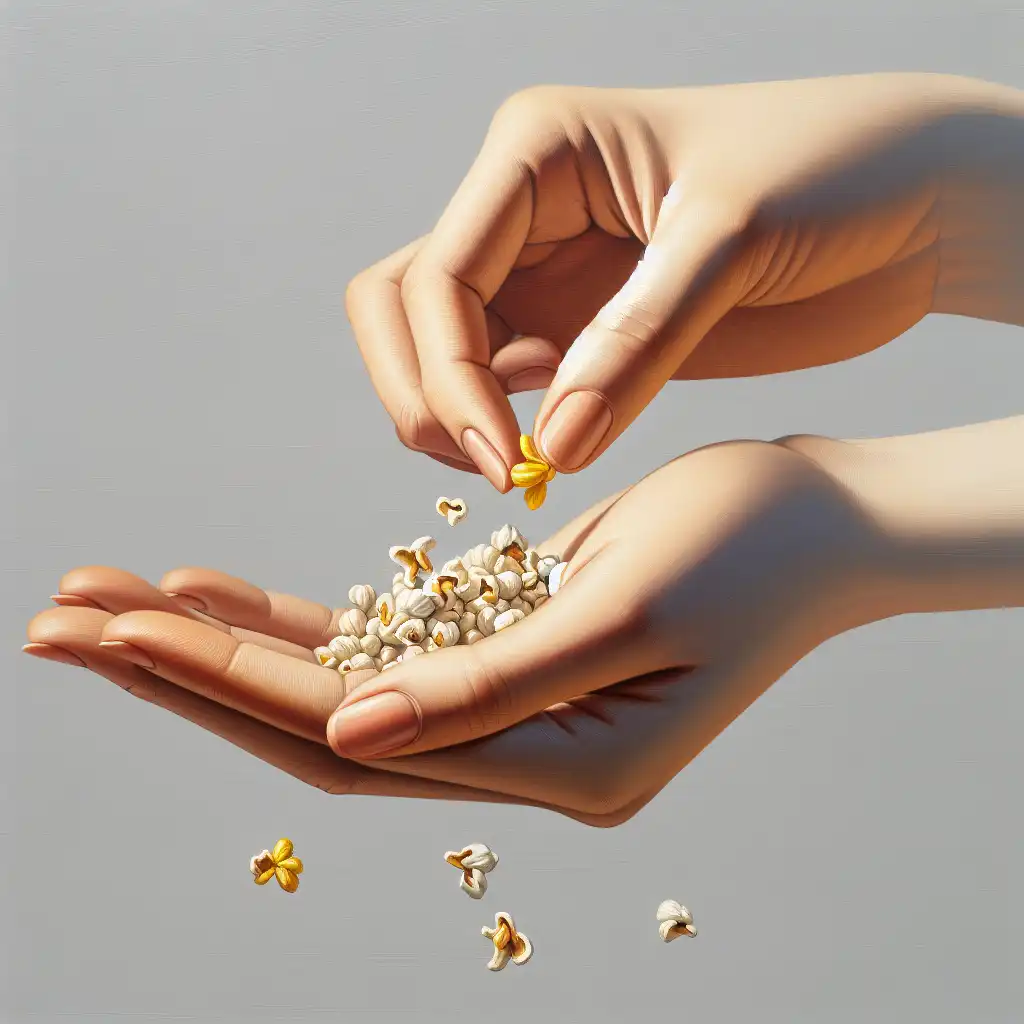
handful #4,099An amount of something that can be held in one hand
 l
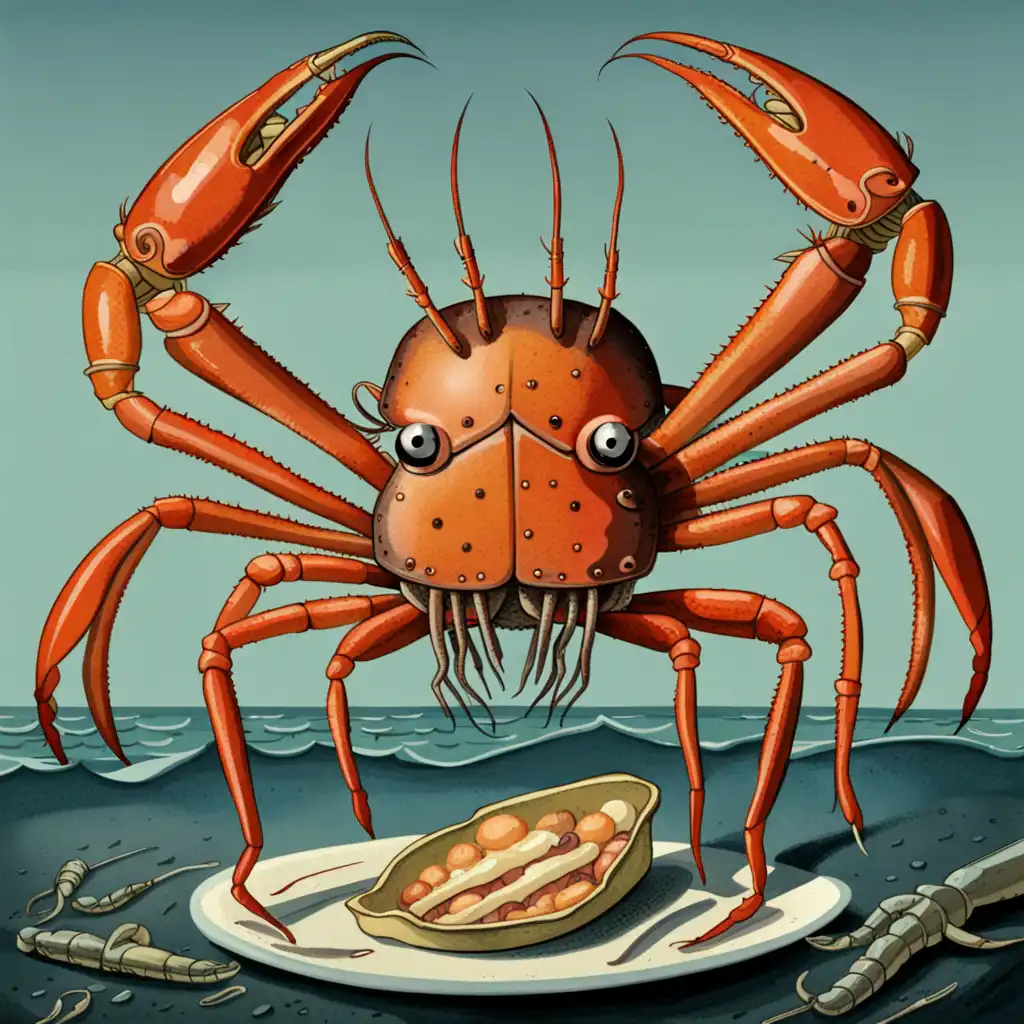
lobster #4,100A large marine crustacean with a strong, broad body, small eyes, and five pairs of legs, the first pair having large pincers.
 p
parole #4,104The conditional release of a prisoner before the end of their jail term.
 b
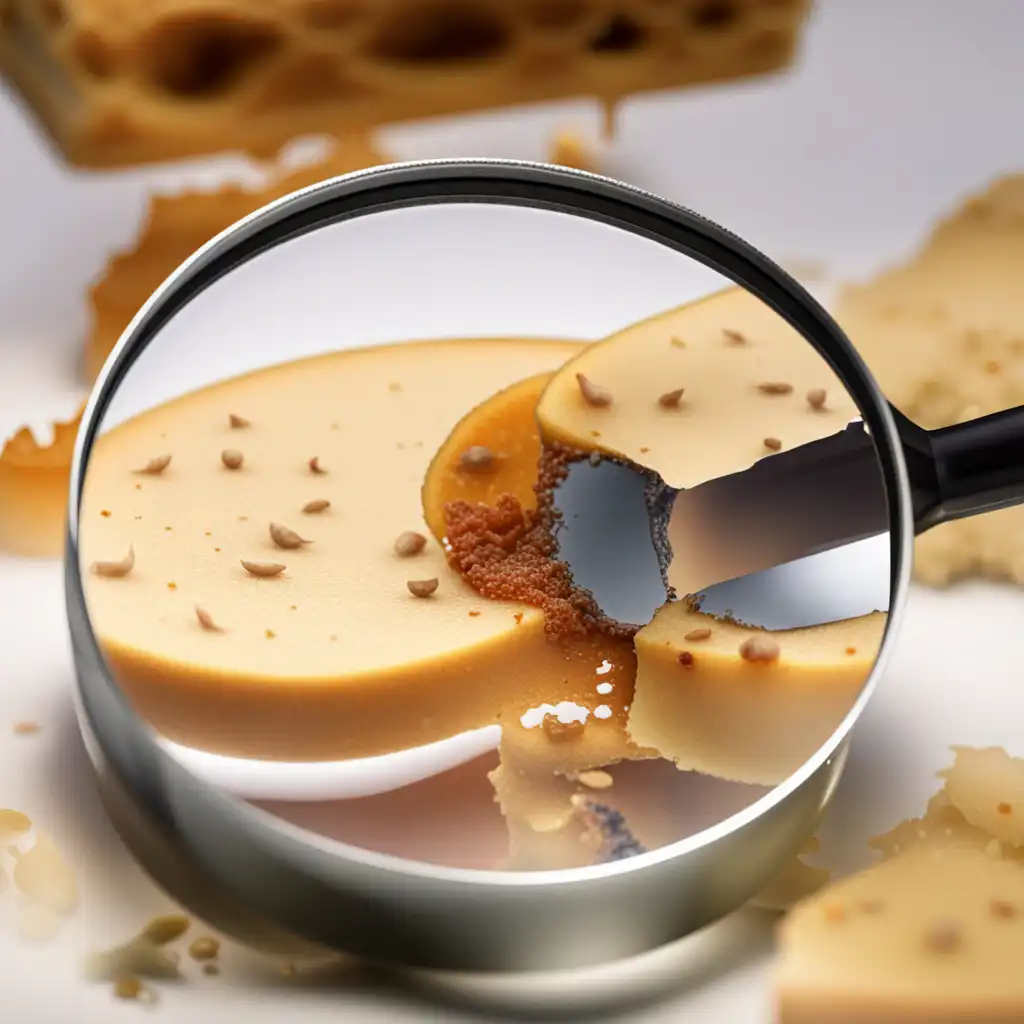
bacteria #4,105Bacteria are very small living things that can cause illness or disease.
 r
rash #4,105Acting or deciding too quickly without thinking enough.
 f
foreman #4,107The person who is in charge of a group of workers.
 r
resign #4,108To formally announce that you have decided to stop doing your job.
 c
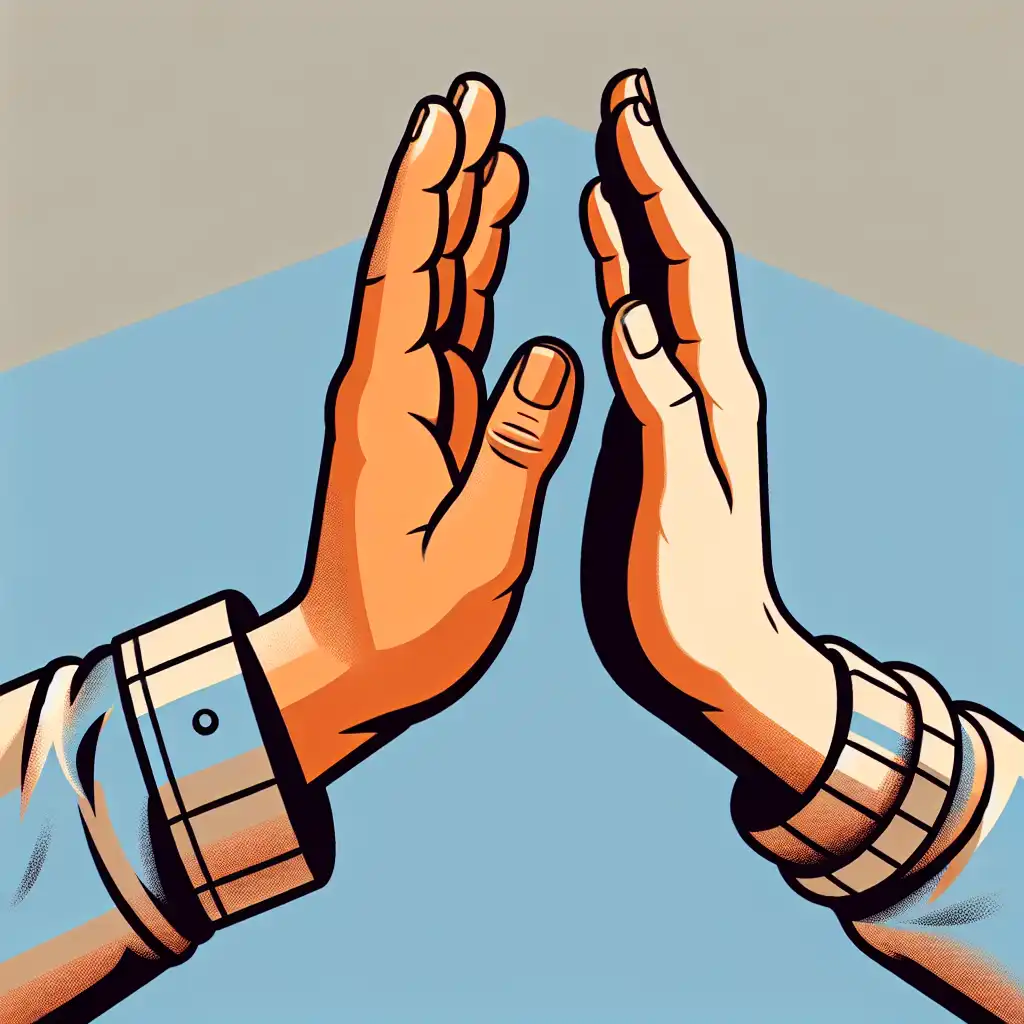
clap #4,109The sound made when you hit your hands together
 r
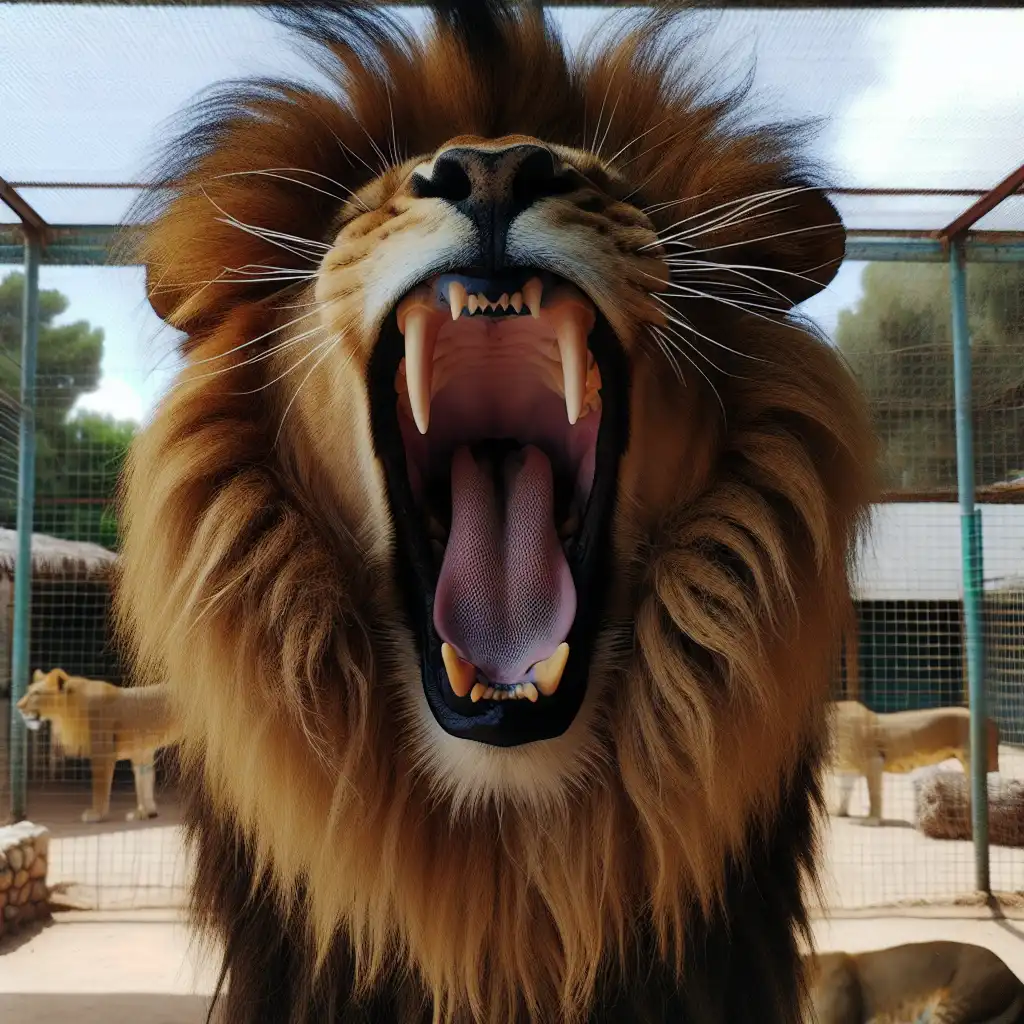
roar #4,110Make a loud, deep, animal sound.
 n
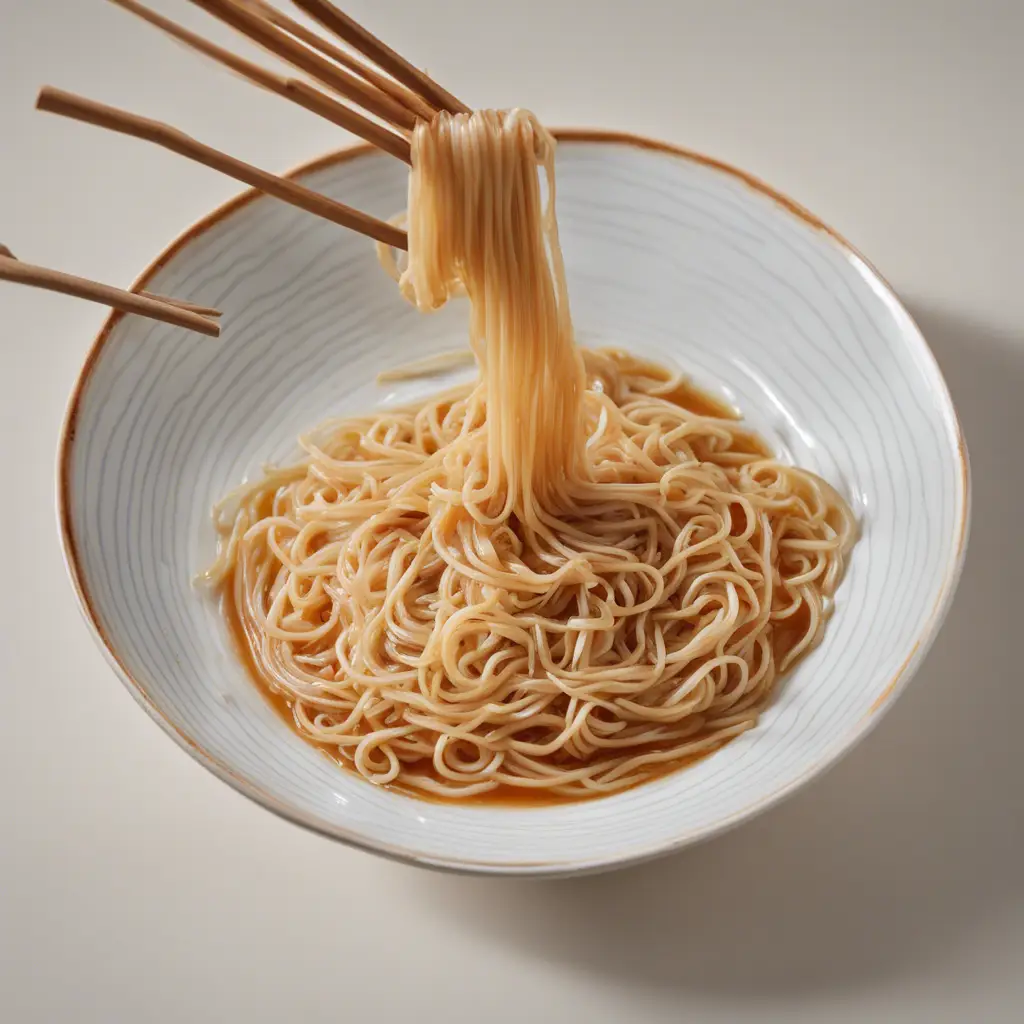
noodle #4,112A thin, long strip of dough, often eaten with a sauce or in a soup.
 o
olympic #4,117Relating to the Olympic Games
 v
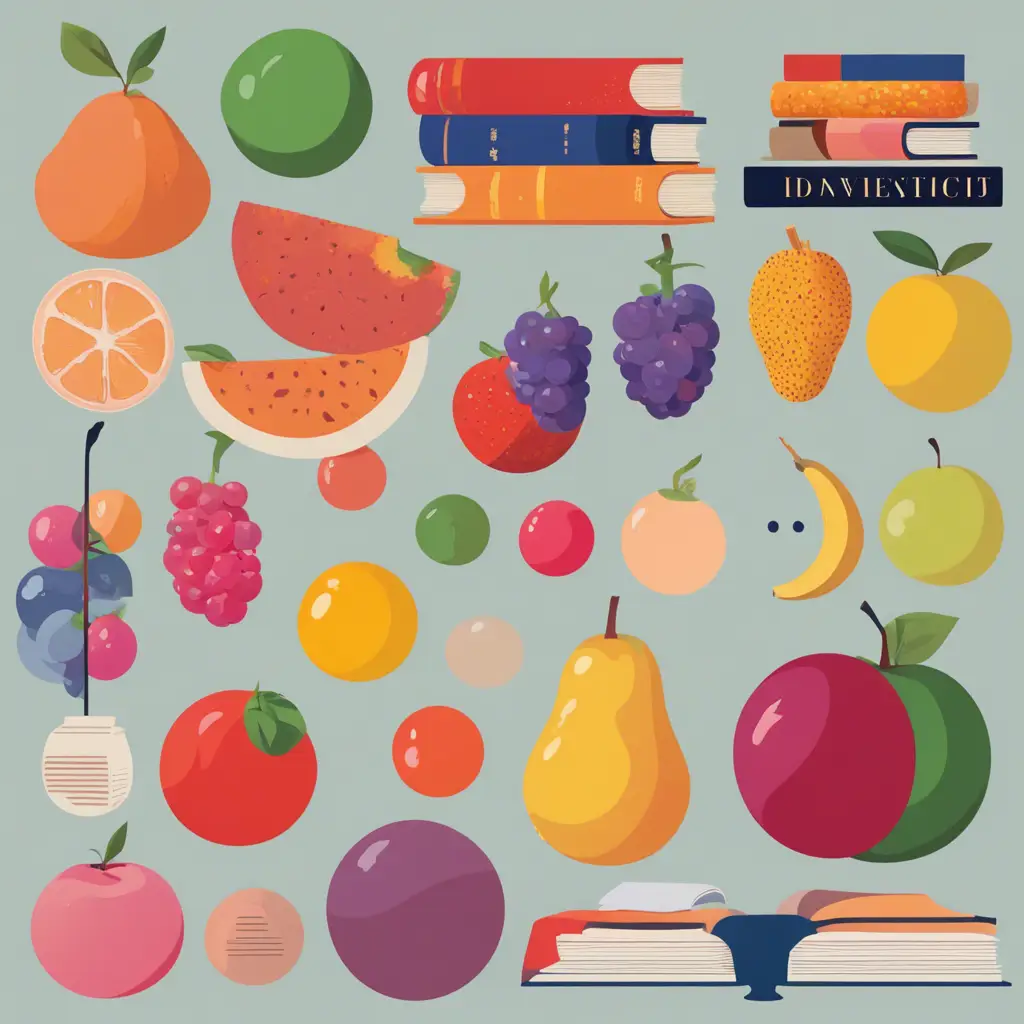
variety #4,118Different types of something
 c
creek #4,119A small, narrow and shallow stream or river
 e
expertise #4,119Having a high level of knowledge or skill in a particular area
 d
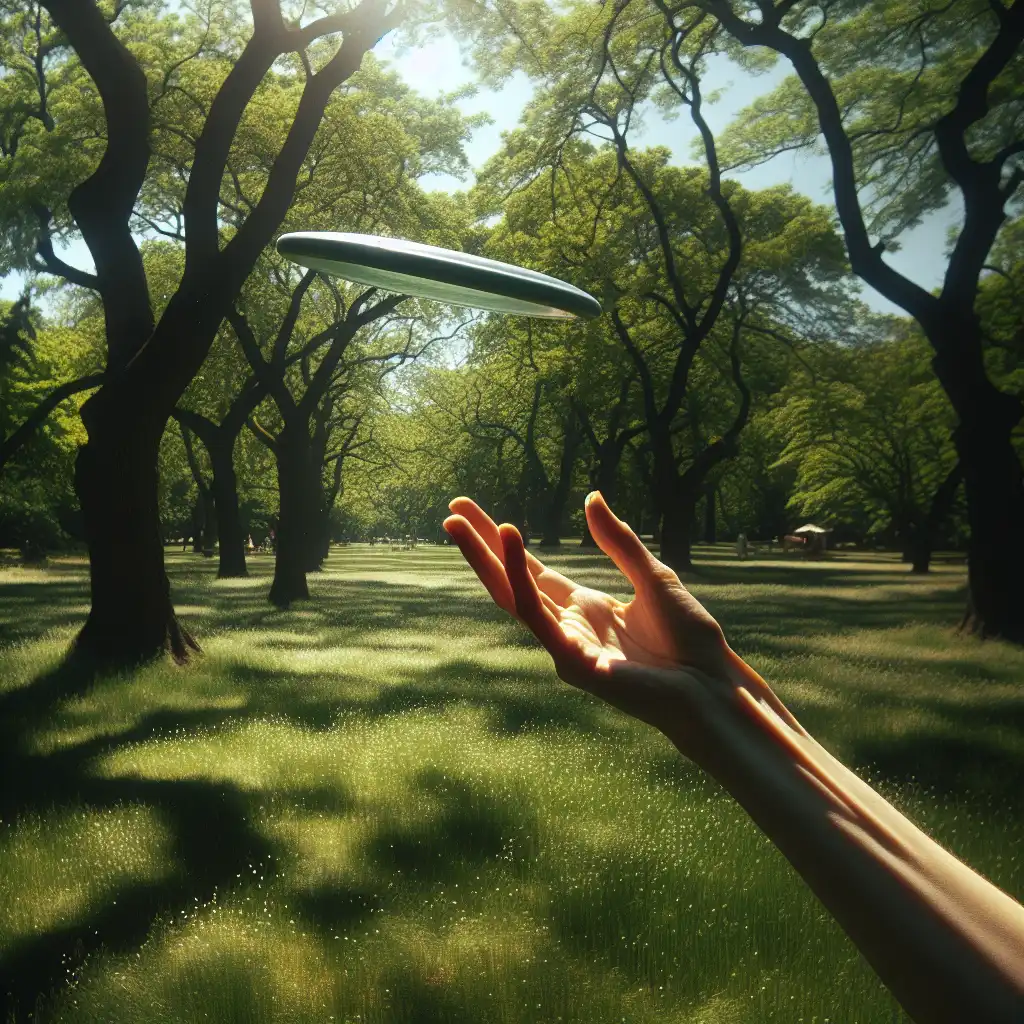
disk #4,120A flat, thin, round object
 s
spa #4,121A place where people go to improve their health and beauty by getting treatments that involve water.
 c
clip #4,122A small device, usually made of metal or plastic, used to fasten things together or hold them in position.
 l
layer #4,123A sheet, quantity, or thickness of material, typically one of several, covering a surface or body
 g
guidance #4,124Help or advice that is given to someone, especially by someone older or with more experience
 l
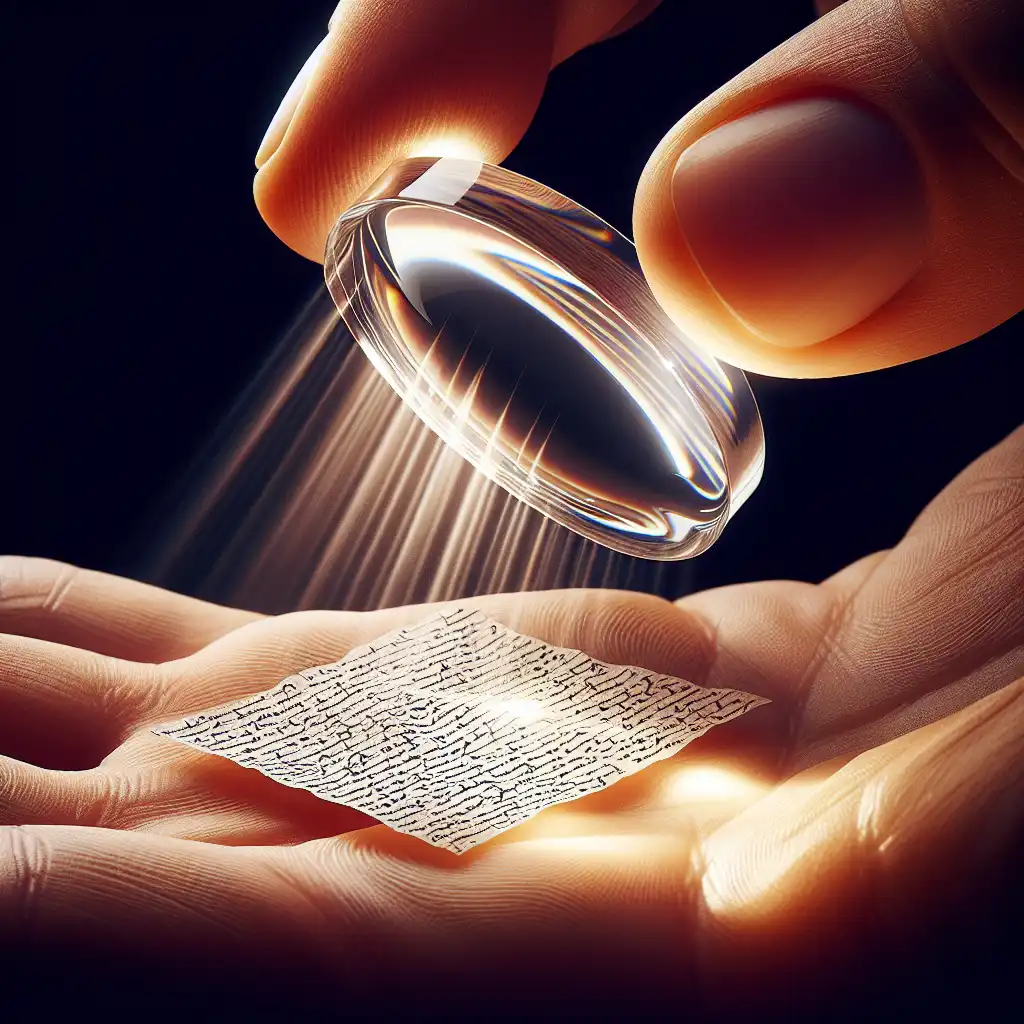
lens #4,125A piece of glass or other transparent substance with curved sides for focusing or spreading light rays.