Cette page (24 mots) :
 c
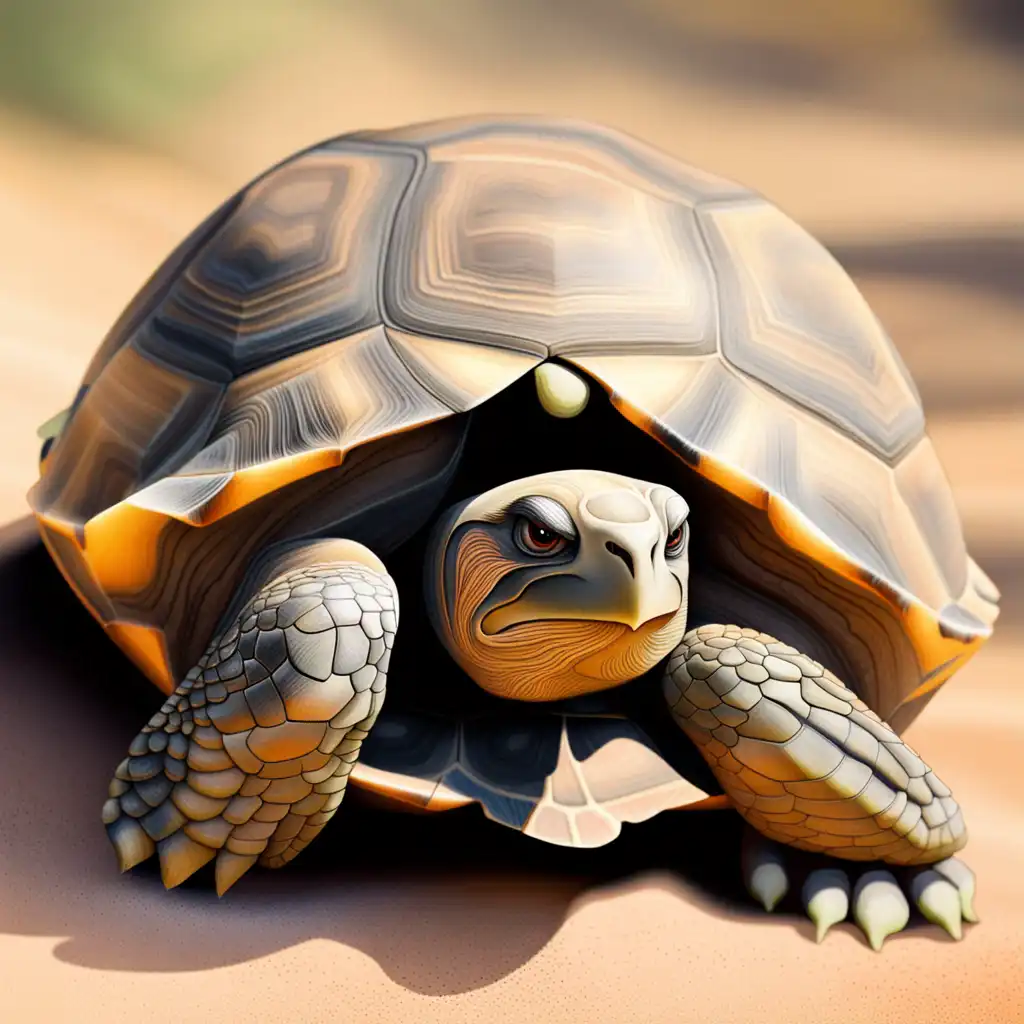
carapace #20,702The hard shield or shell covering the back of animals such as turtles, armadillos, or crabs.
 d
dissociate #20,729To disconnect or separate something from something else
 s
semicircular #20,735Having the shape of a half circle.
 l
lank #20,744Long, thin and loose.
 e
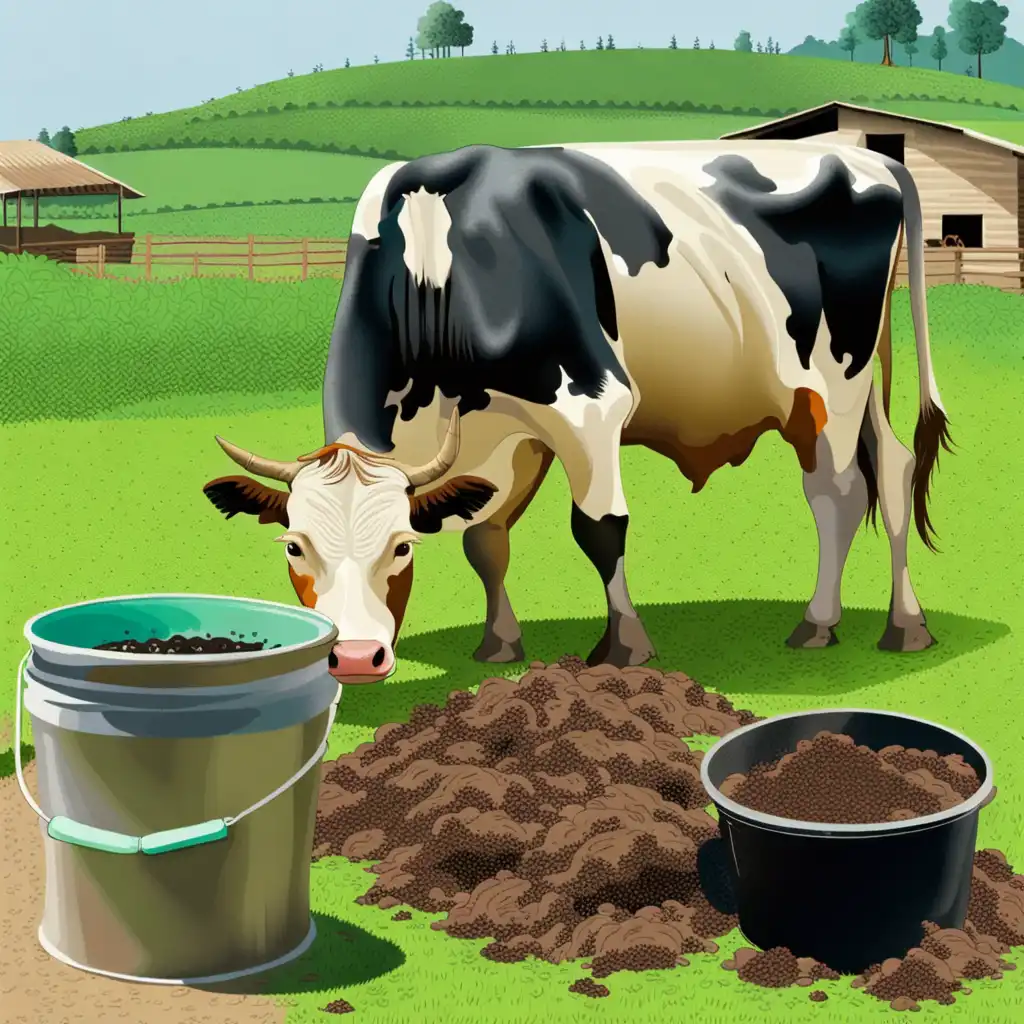
excreta #20,751Waste material that a living being removes from its body, especially its feces and urine.
 h
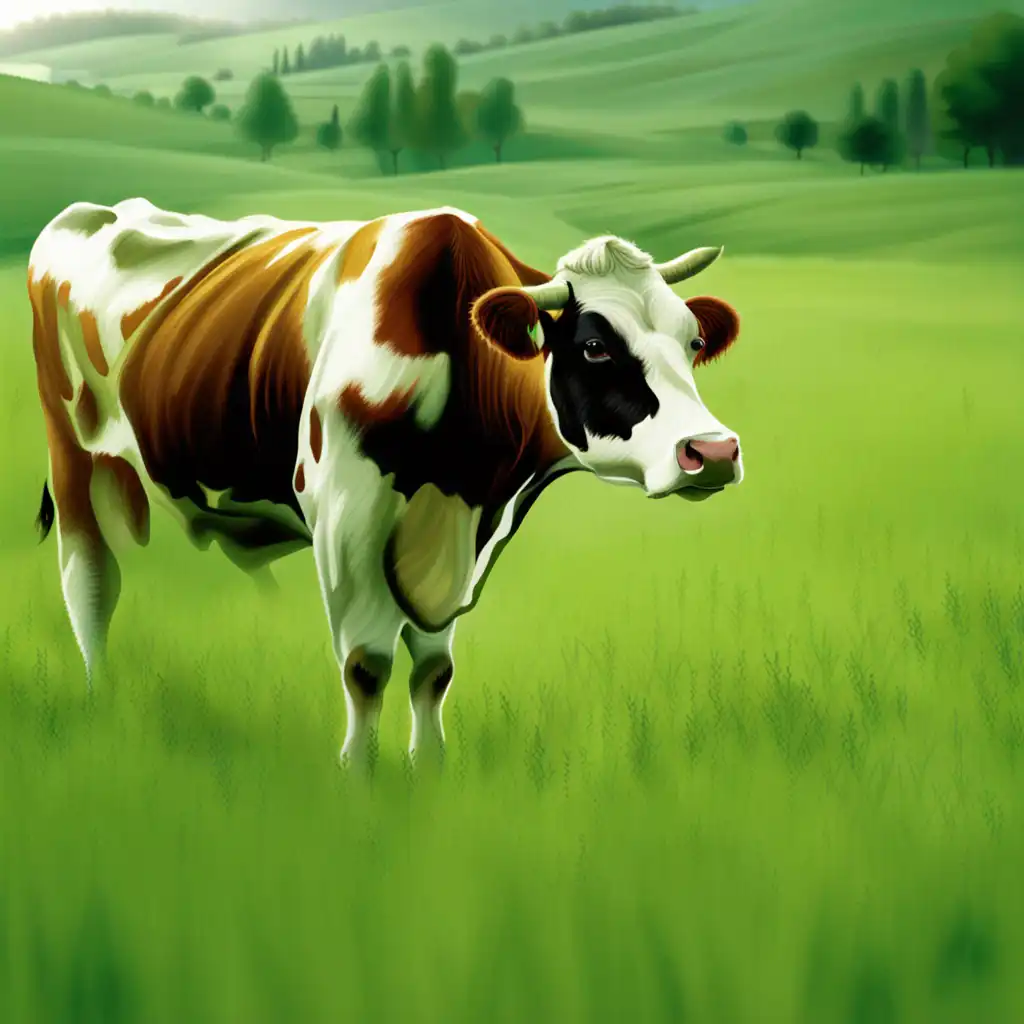
herbivorous #20,782Eating only plants, and not meat.
 s
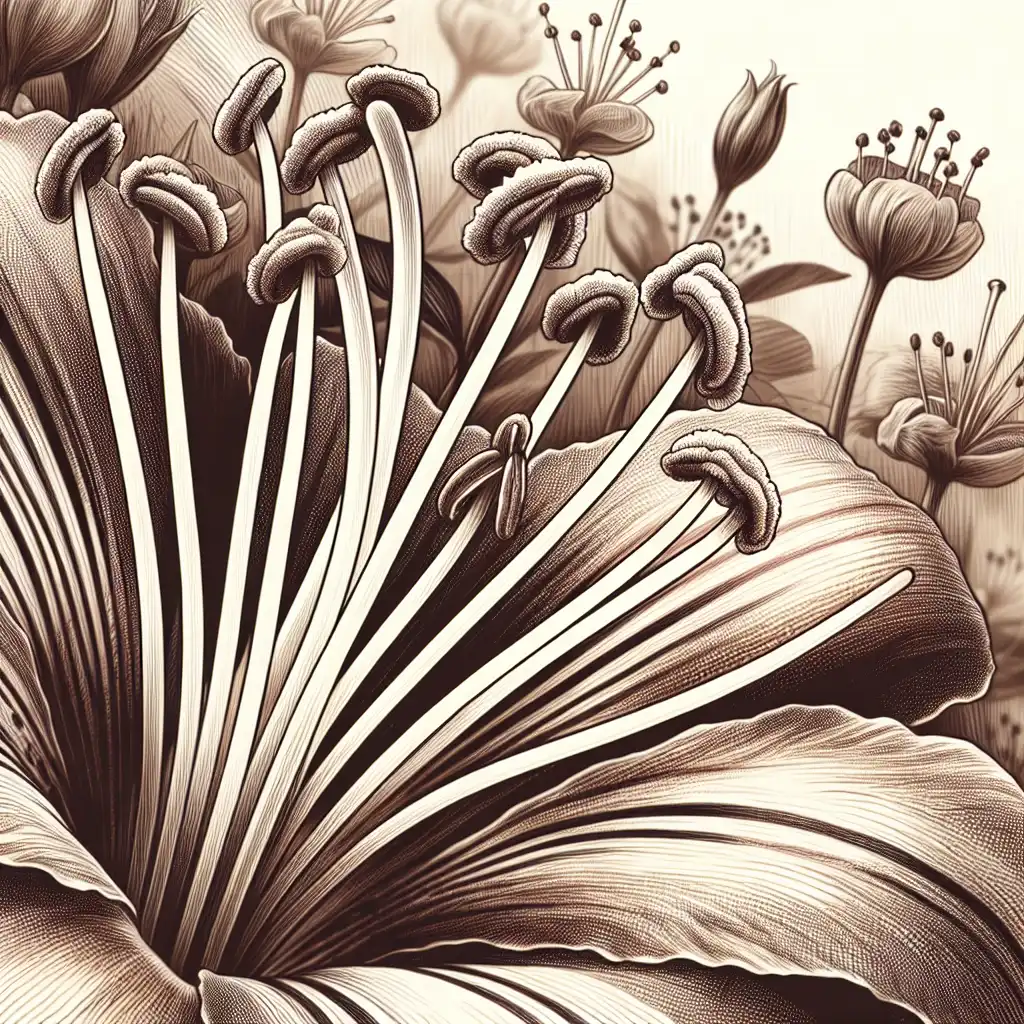
stamen #20,794The part of a flower that produces pollen, usually long and thin.
 s
sequester #20,803To keep something or someone separate or hidden away from others
 w
warble #20,834To sing or make a series of sounds with a trilling or changing tune.
 l
leguminous #20,861Relating to or from the plants from the legume family (like peas, lentils, soybeans).
 f
flatworm #20,864A type of worm that has a soft body and is usually very thin and flat.
 p
polarize #20,867To divide or cause to divide into two sharply contrasting groups or sets of opinions or beliefs
 a
aerate #20,875To fill something with air or gas
 h
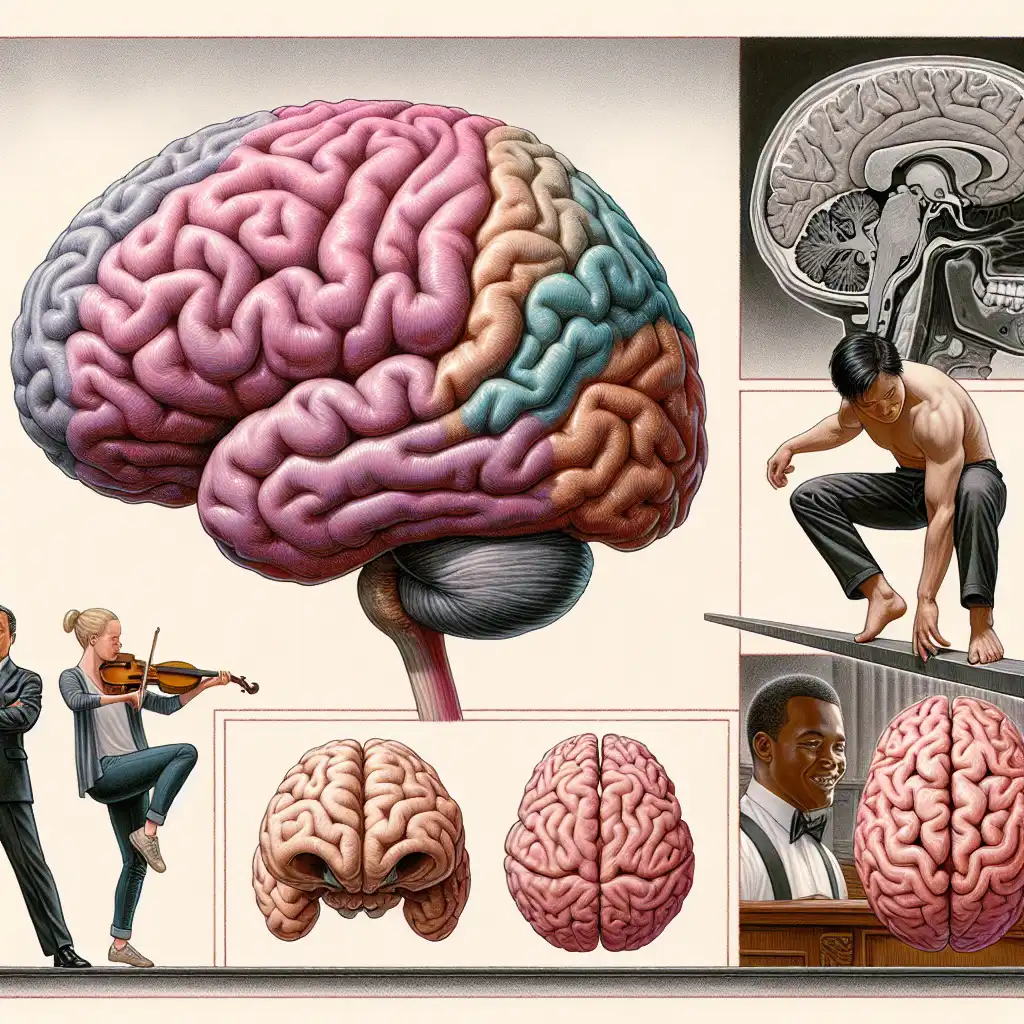
hindbrain #20,901The lower part of the brain which includes the cerebellum, pons and medulla oblongata.
 u
unvarying #20,962Not changing or varying, staying the same all the time.
 v
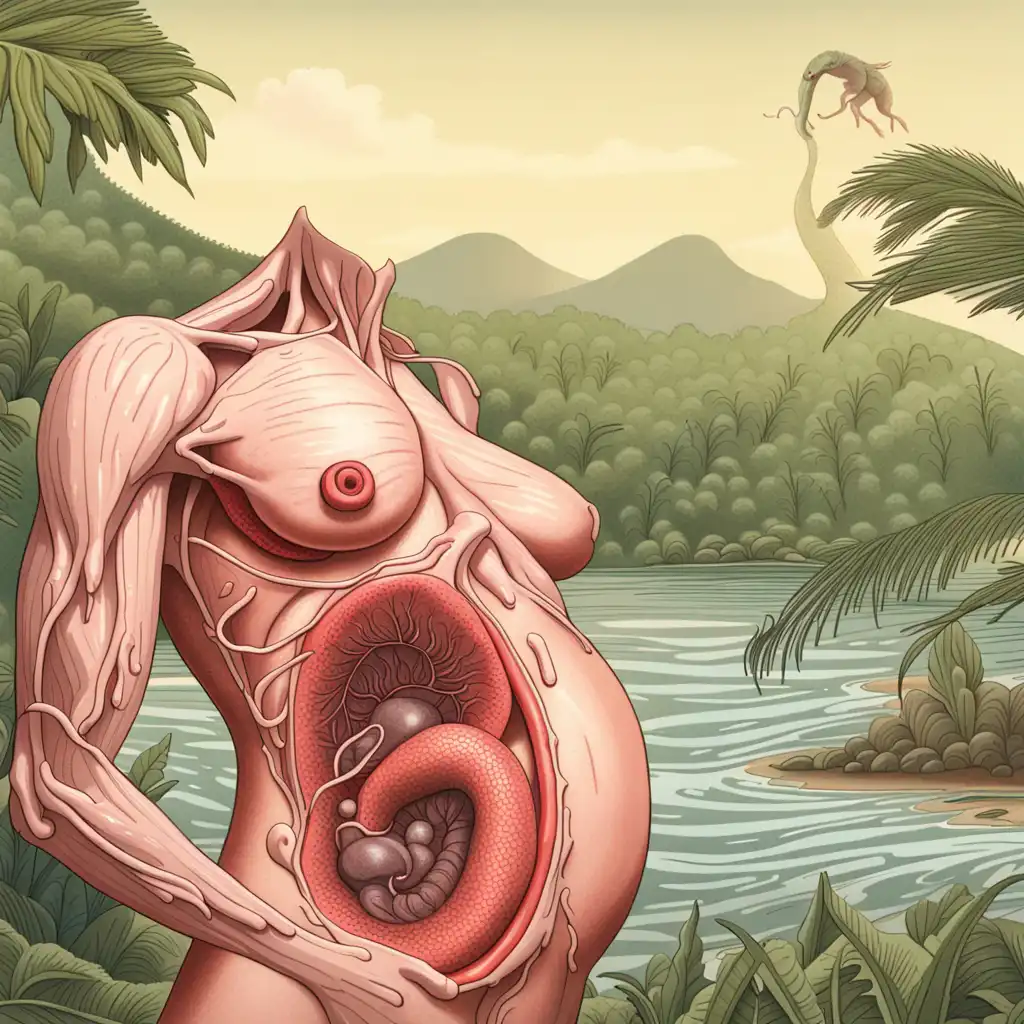
viviparous #20,999An animal that gives birth to live babies, not eggs.
 e
elephantiasis #21,004A disease which causes parts of the body to swell to large sizes.
 t
tympanum #21,031The part of the ear that receives sound, also known as the eardrum.
 r
respire #21,064To breathe in and out
 s
substrate #21,150The base or material on which something is built, grows, or lives.
 p
particulate #21,167Relating to or in the form of very small separate particles
 b
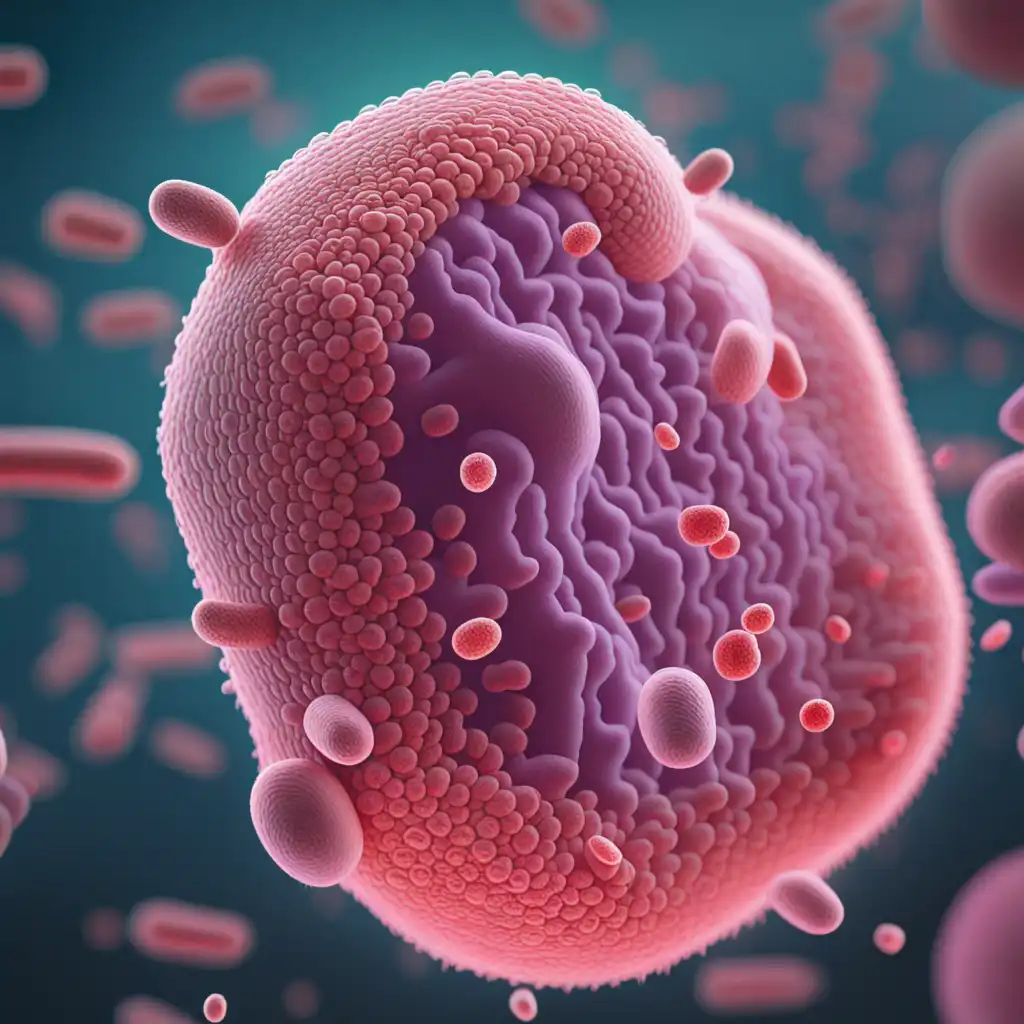
bacillus #21,173A type of bacteria that is shaped like a rod.
 c
conformation #21,183The way in which something is formed or shaped;
 h
histology #21,187The study of the microscopic structure (microanatomy) of tissues