Cette page (24 mots) :
 i
intake #8,926The amount of something, like food, air, or a question, that is taken in or absorbed.
 e
exempt #8,927Not having to obey a rule or fulfil a duty
 y
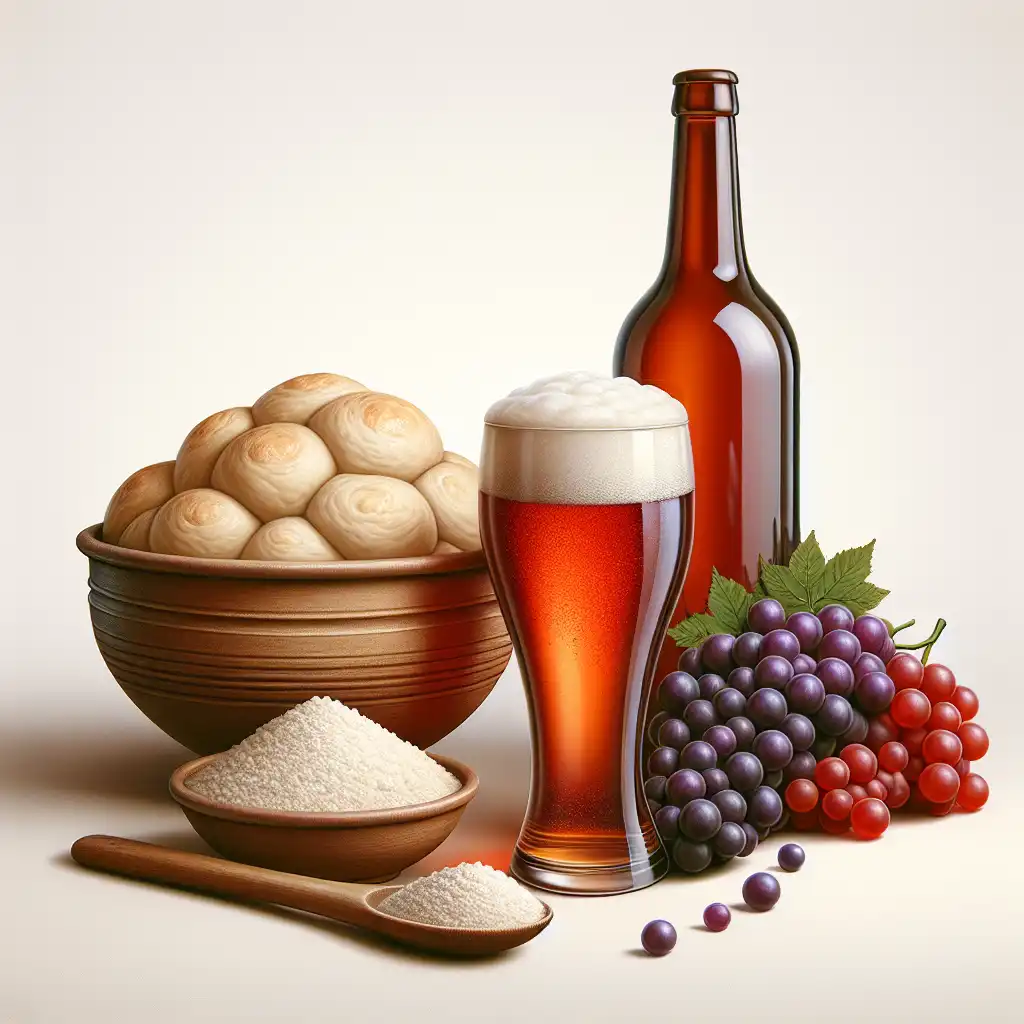
yeast #8,930A type of fungus that is used in making bread rise and in producing alcoholic drinks, like beer and wine.
 o
oxide #8,933A chemical compound containing oxygen and another element
 d
deficiency #8,934Not having enough of something.
 m
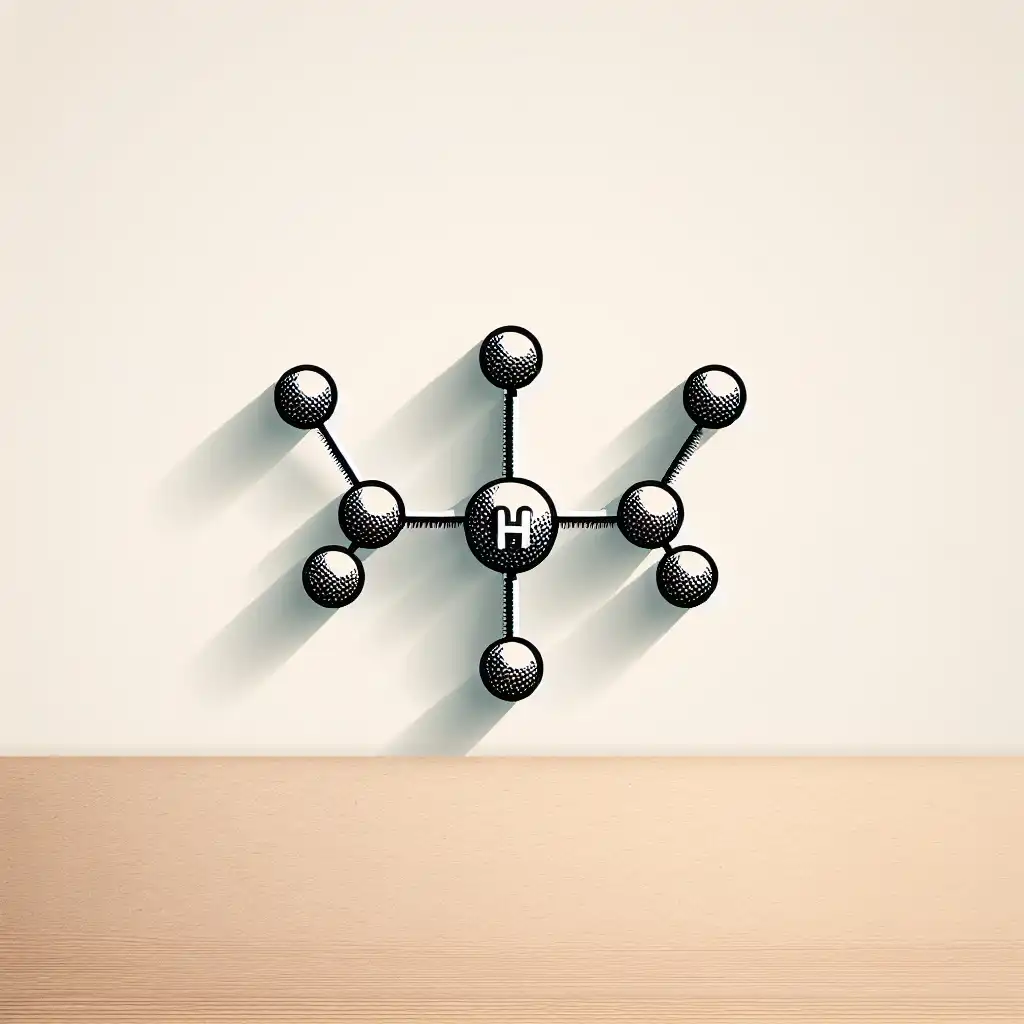
molecule #8,935The smallest unit of a substance that keeps the same chemical properties
 p
pediatric #8,938Related to the medical care of children.
 t
territorial #8,939Relating to the ownership or control of an area of land.
 a
analyse #8,941To examine something in detail, typically for interpretation or explanation.
 r
reinforce #8,946To make something stronger, especially by adding more material or detail to it.
 a
ambiguous #8,956Not clear, or able to be understood in more than one way.
 d
diffuse #8,960Spread out over a large area, not concentrated.
 p
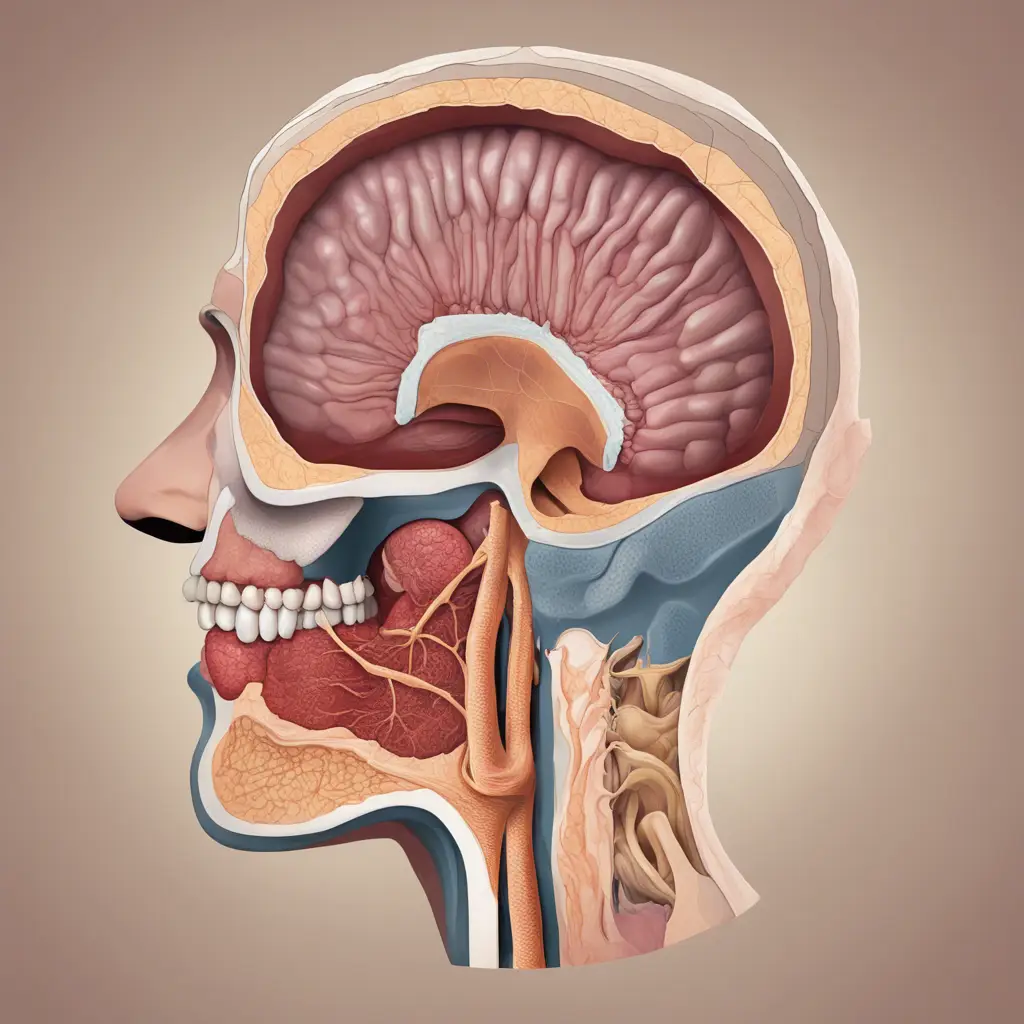
palate #8,962The top part of the inside of your mouth
 d
dizziness #8,963A feeling of being unsteady or losing balance, often related to problems inside the ears
 t
temperament #8,974A person's usual manner of thinking, behaving or reacting, often related to their mood or attitude.
 h
hart #8,985A male deer, especially one over five years old
 w
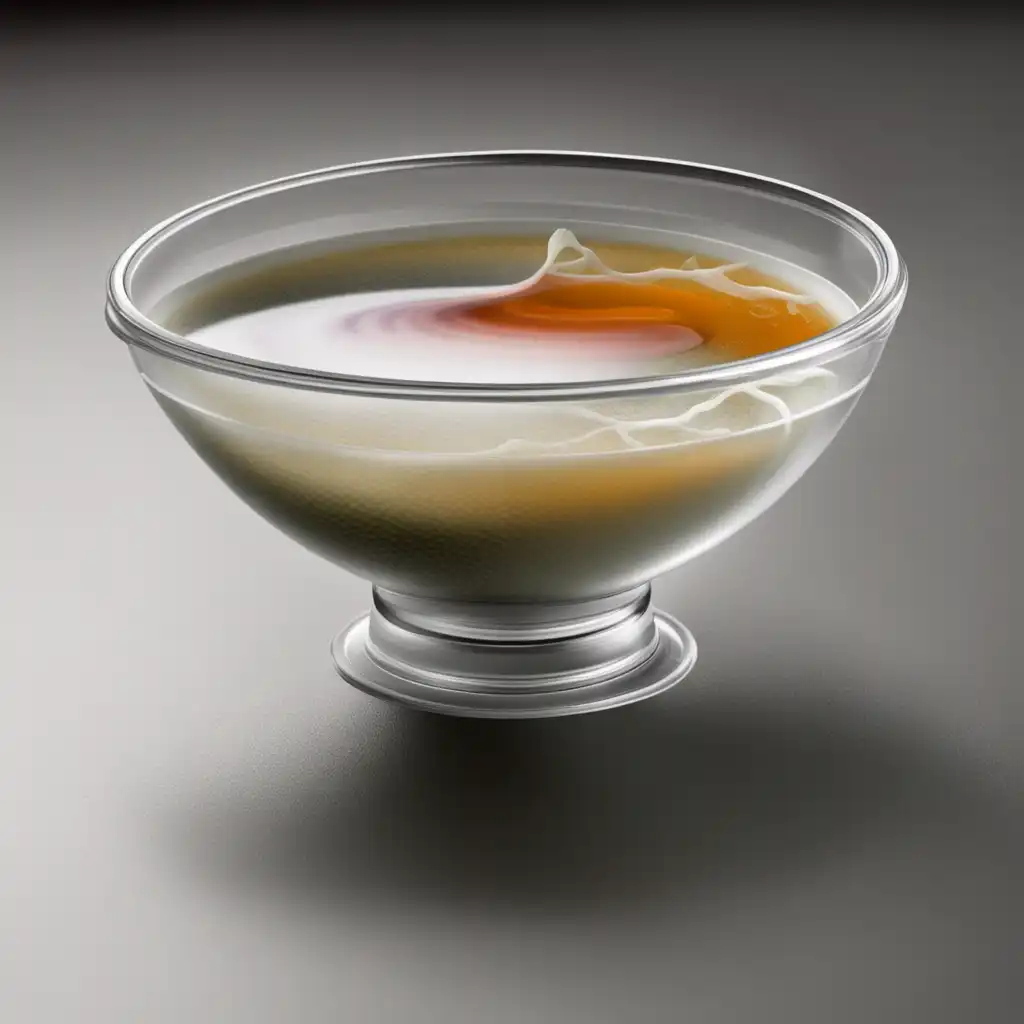
watery #8,989Having a lot of water or liquid, often too much.
 n
neutralize #8,997To make something unable to harm or have any effect
 f
flatten #8,998To make something smooth or level.
 r
regulatory #9,000Something that controls, directs, or manages something else.
 b
beta #9,000The second letter of the Greek alphabet.
 s
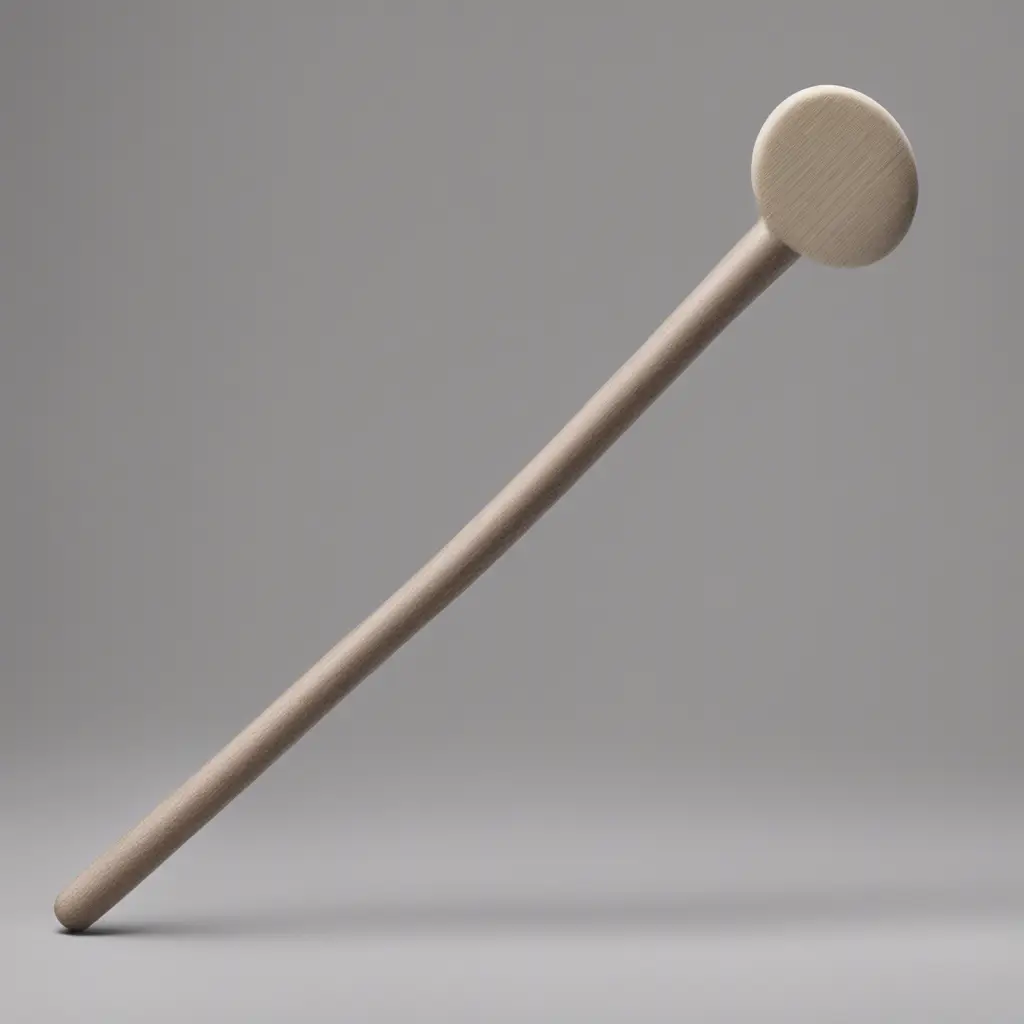
swab #9,001A small piece of soft material at the end of a thin stick, used for cleaning something or for putting medicine on a part of the body
 p
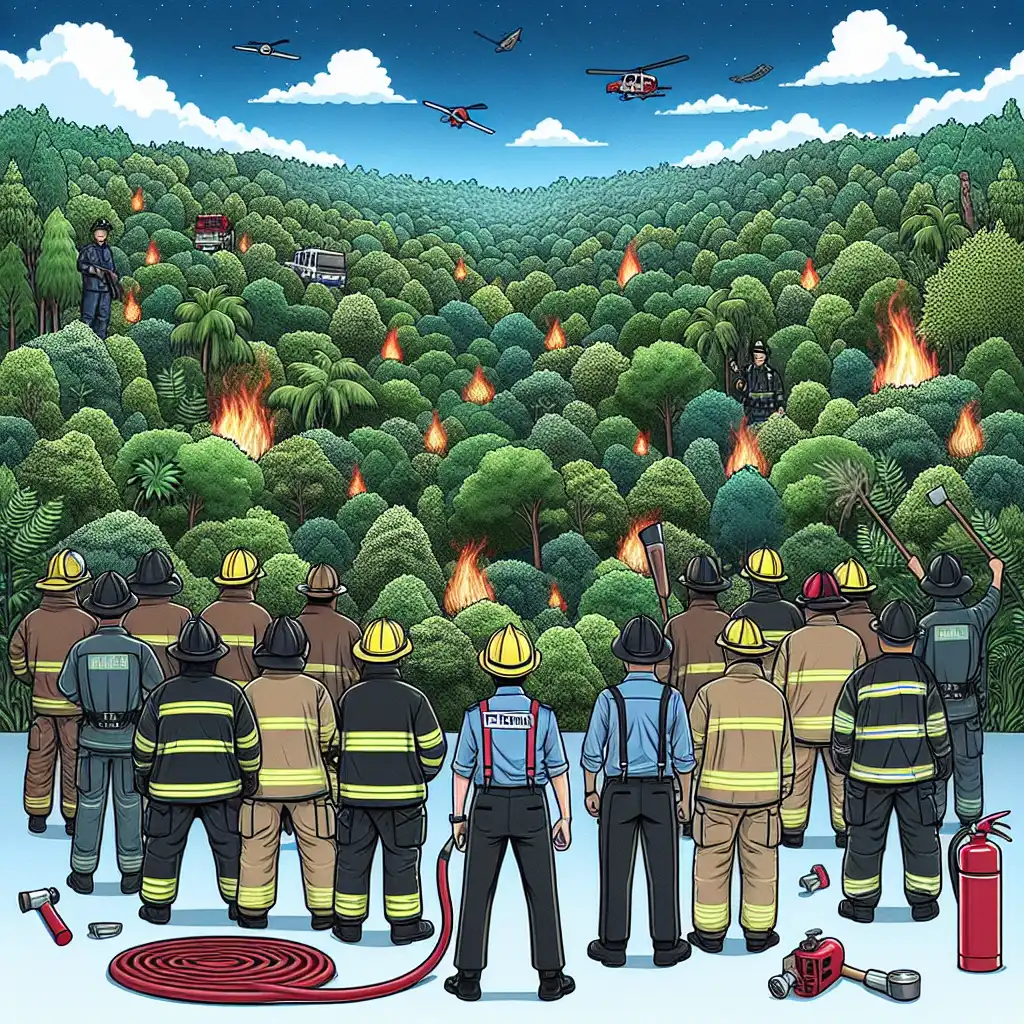
prevention #9,024The act of stopping something from happening or existing.
 a
acquisition #9,025The act of getting or gaining something