This page (24 words):
 o
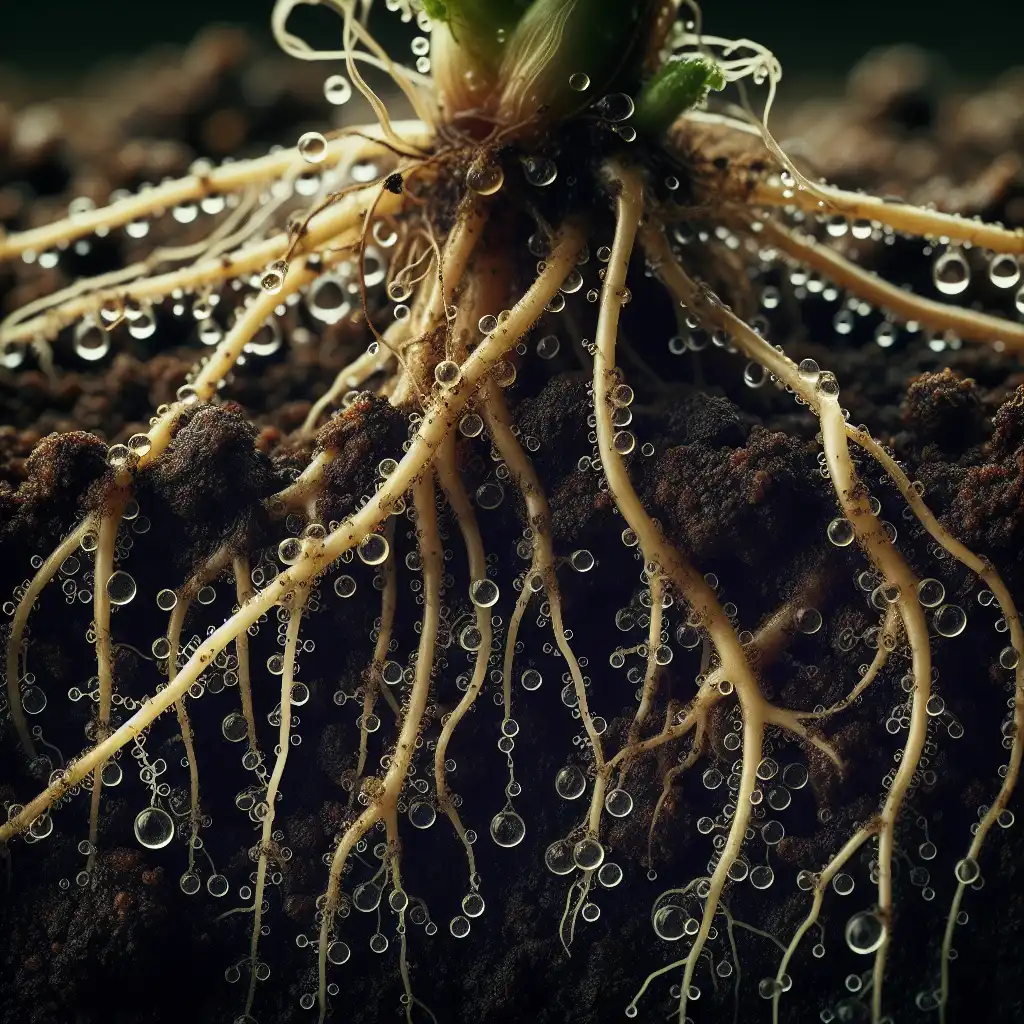
oxidation #14,884A process in which a substance reacts with oxygen, often producing energy in the form of heat or light.
 u
uptake #14,886The action of taking in something, usually by living things or systems.
 g
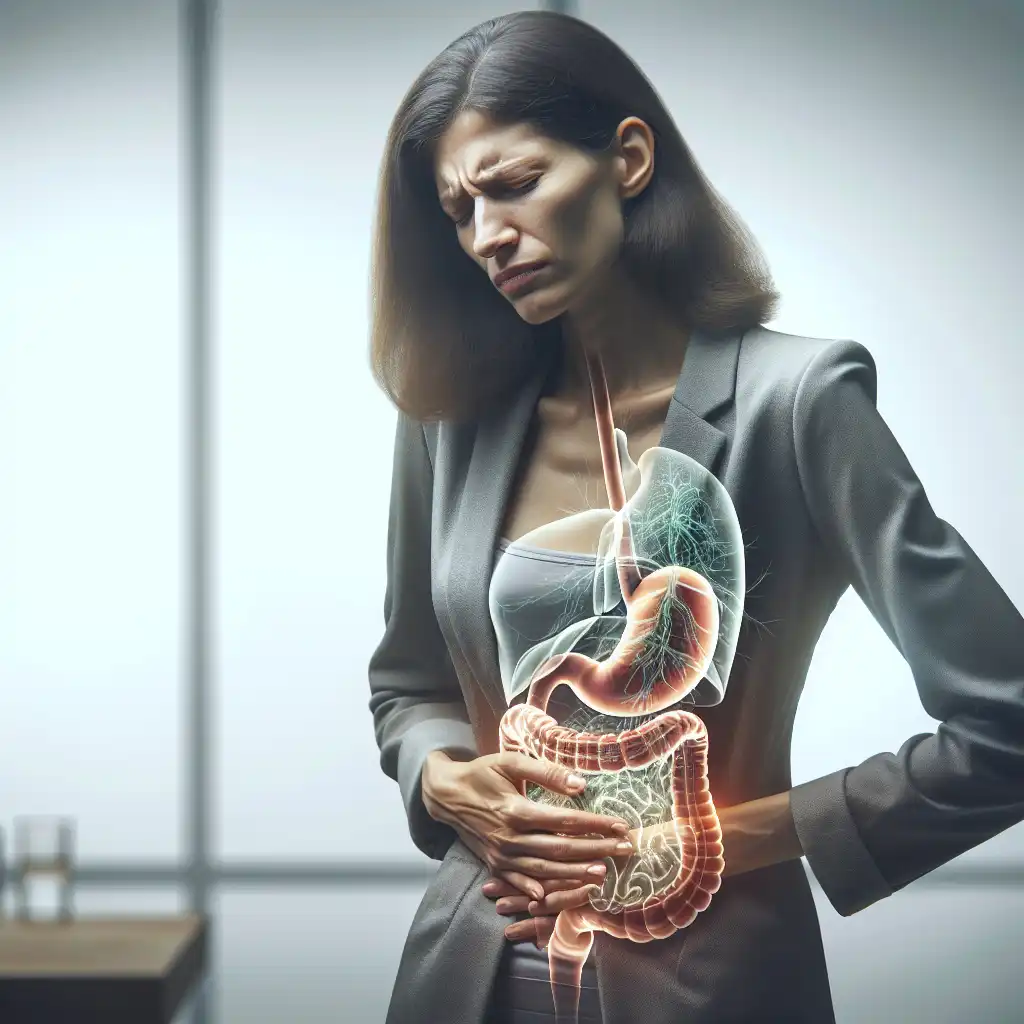
gastrointestinal #14,888Related to the stomach and the intestines
 i
inorganic #14,890Not made of living things
 i
ionic #14,891Relating to, composed of, or using ions - atoms or groups of atoms with a positive or negative electric charge.
 i
interchangeable #14,902Can be used in place of each other
 p
periphery #14,910The outer parts or boundary of an area or object.
 c
connective #14,916Linking something to another thing.
 e
encephalitis #14,921A disease that causes inflammation of the brain
 v
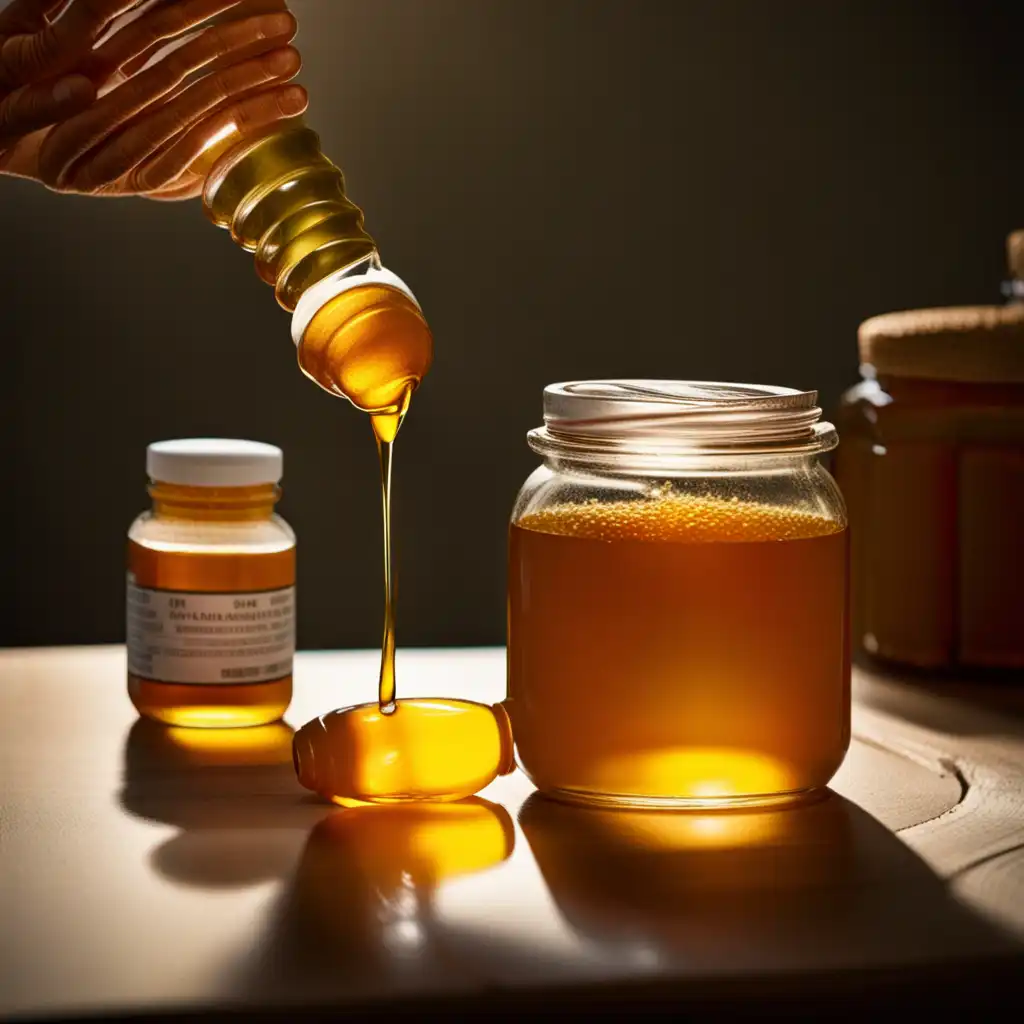
viscous #14,923A thick or sticky consistency, like honey or syrup
 b
bicarbonate #14,951A salt that is found in nature and is often used in medicine and cooking
 h
heaviness #15,008The quality of being heavy
 c
costal #15,034Related to the ribs or found near them.
 m
moisten #15,037To make a little wet or damp.
 a
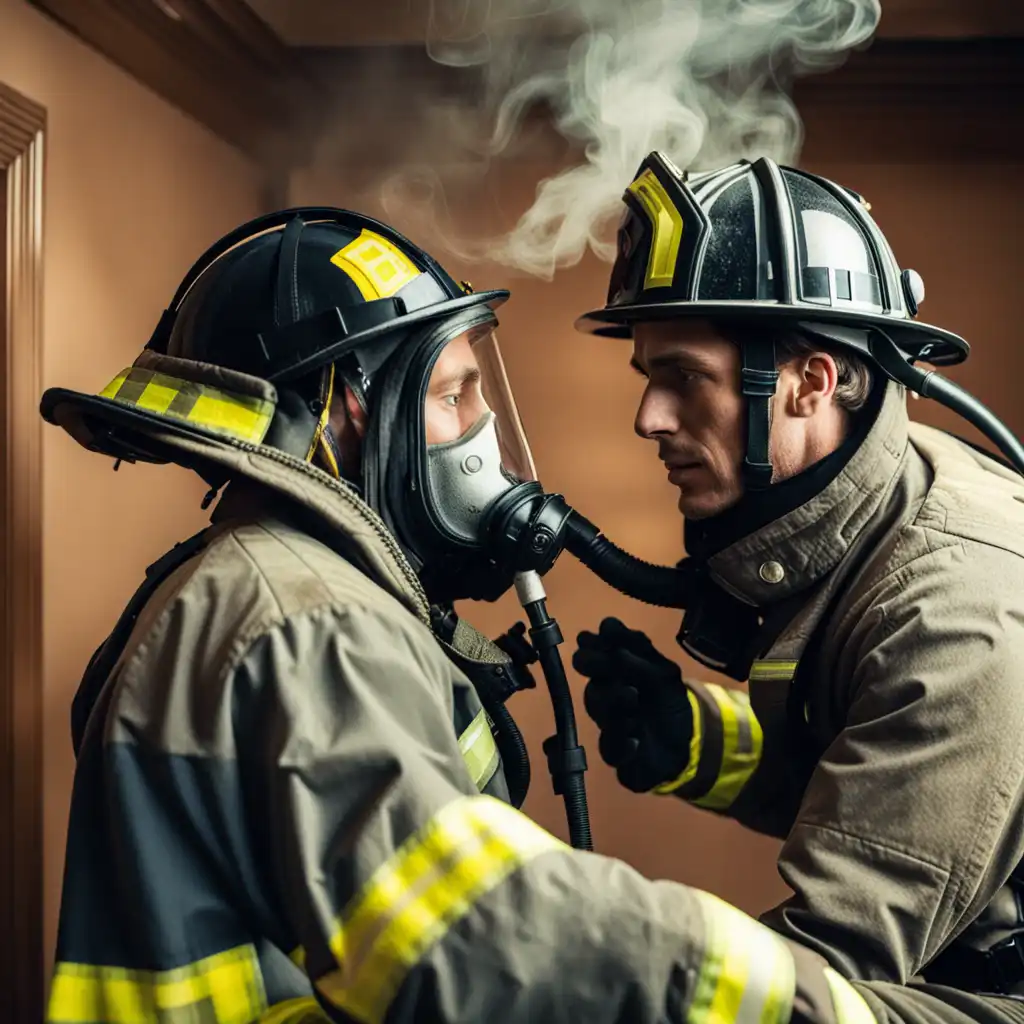
asphyxia #15,041A condition caused by not getting enough oxygen
 c
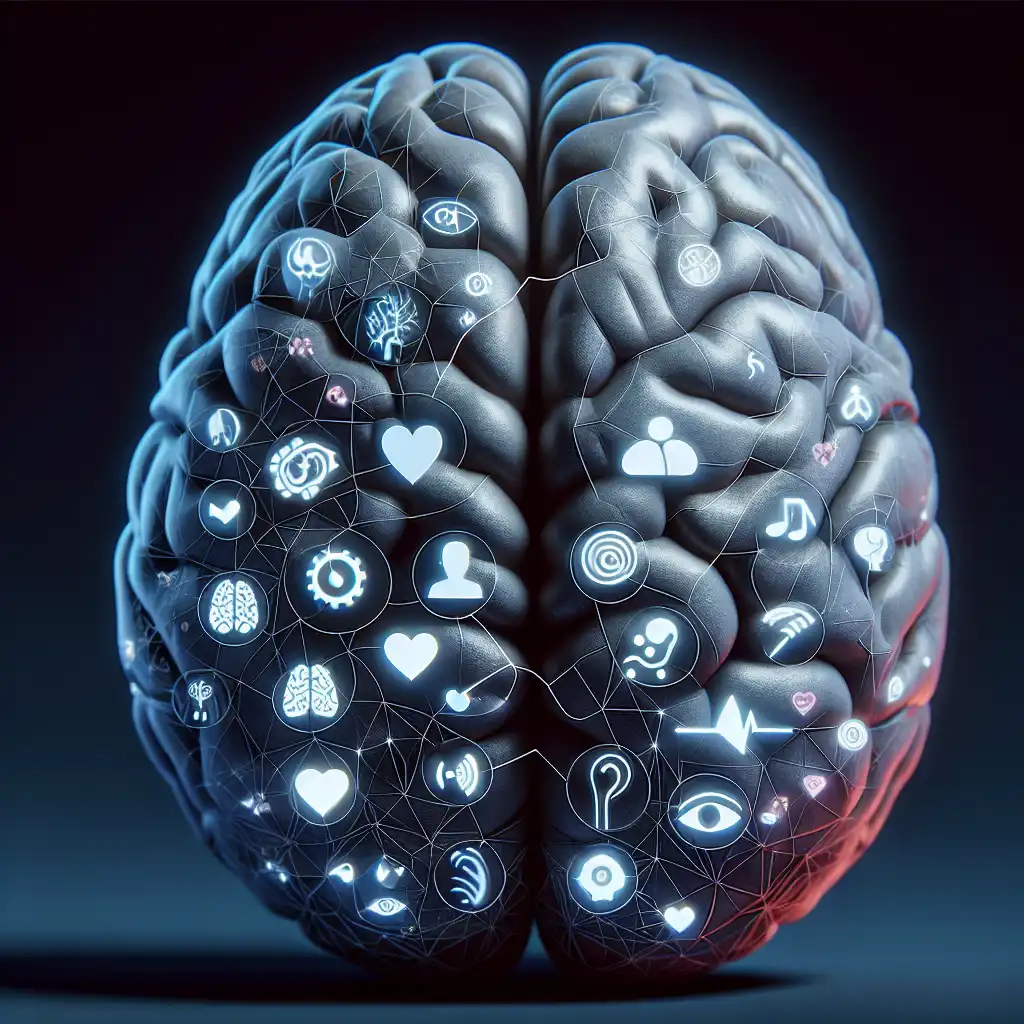
cerebrum #15,049The biggest part of the brain which controls thoughts, emotions, and the senses.
 l
longitudinal #15,096Related to something's length or direction from end to end, rather than across.
 i
isometric #15,106Having equal dimensions or measurements.
 f
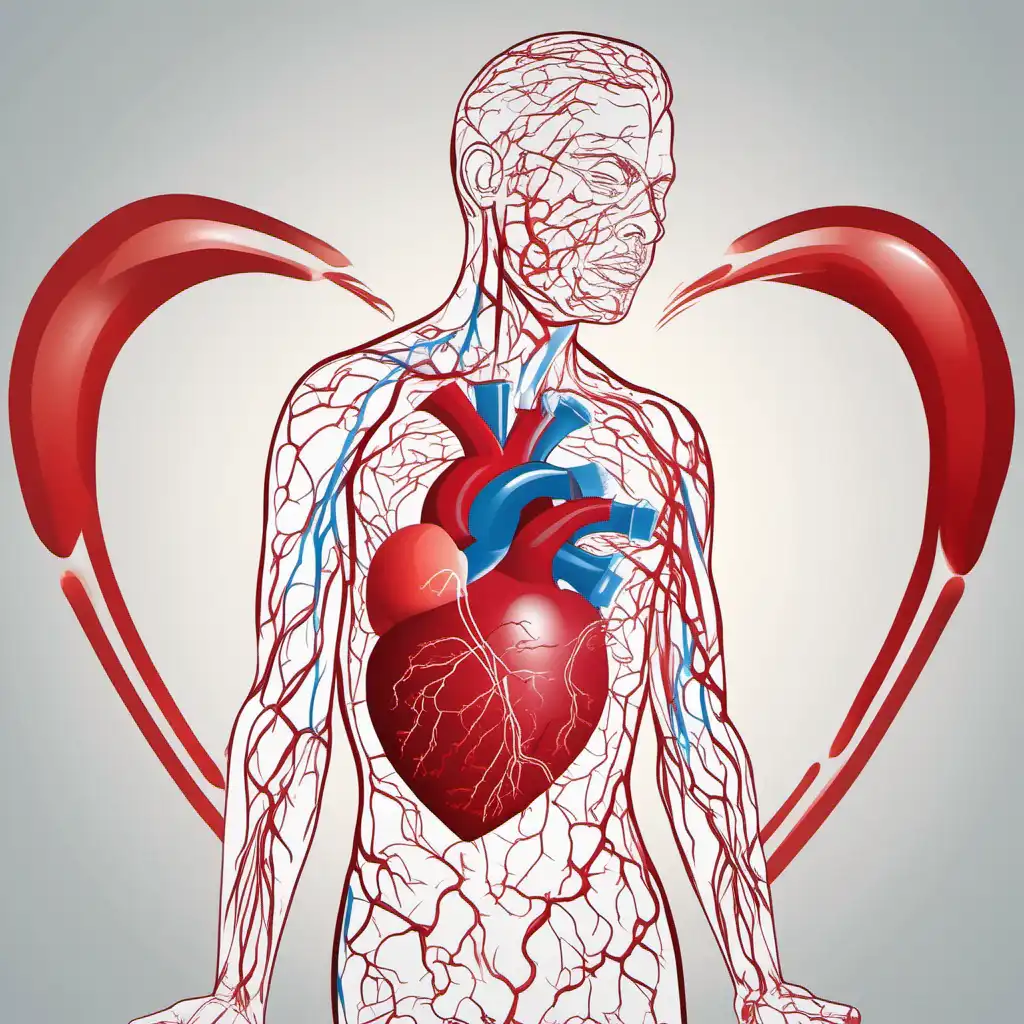
fibrinogen #15,110It is a protein in the body which helps in forming blood clots.
 d
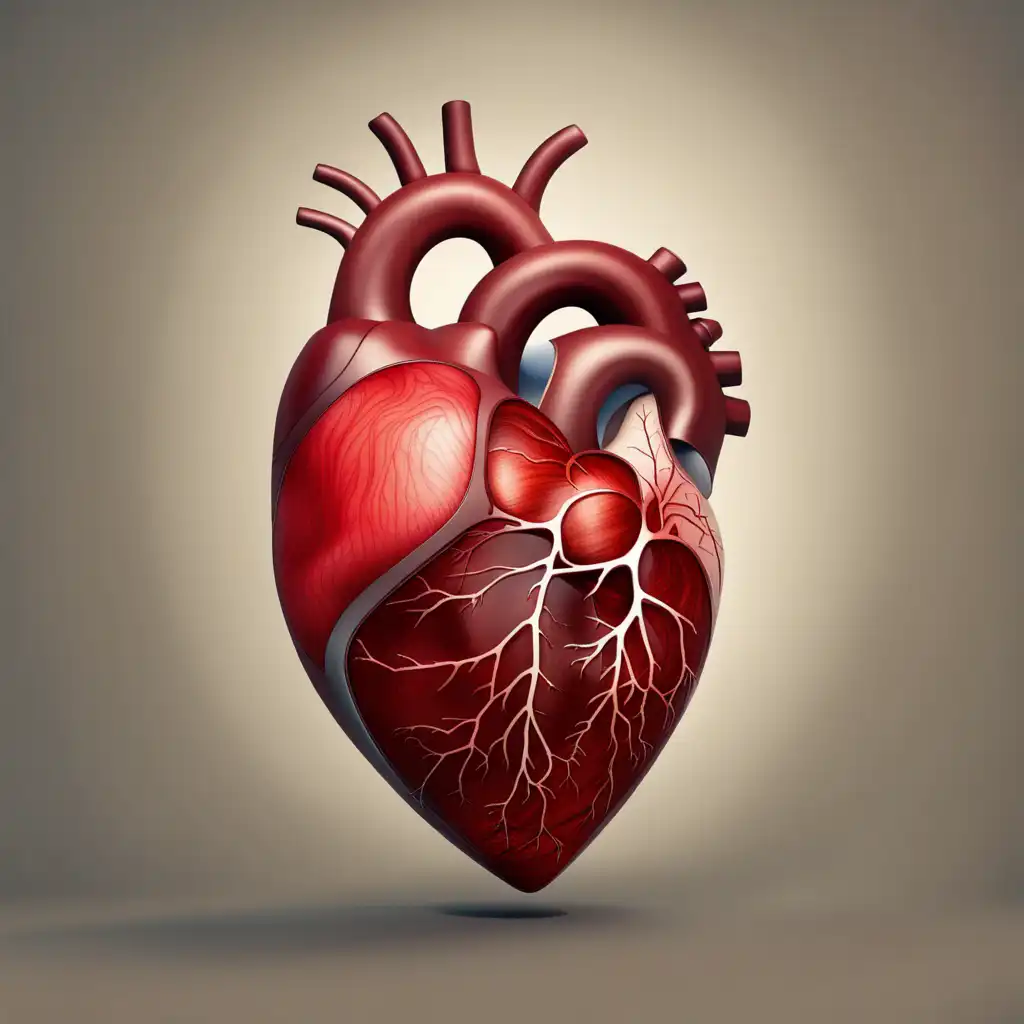
dilatation #15,111The action of expanding or enlarging something.
 m
millisecond #15,116A measure of time that is equal to one thousandth (1/1000) of a second.
 p
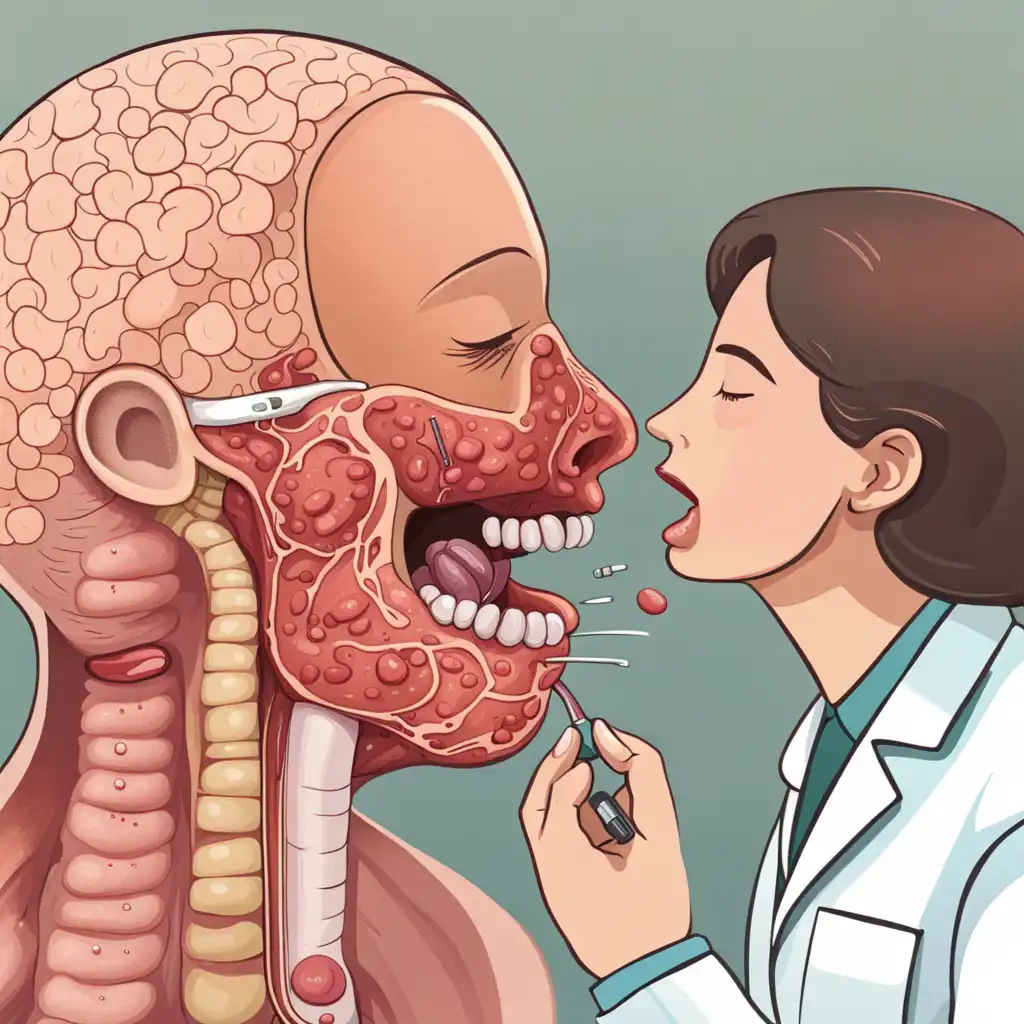
papilloma #15,118A type of non-cancerous tumor that grows from the surface of the skin or the lining of organs.
 m
micturition #15,148The act of peeing, or releasing urine from the body.
 v
variance #15,175A difference or disagreement between two things