
enamel
noun enamel
ɪˈnæml
A hard, shiny coating that covers teeth.
She brushes her teeth twice a day to keep her enamel healthy.
enamel
ɪˈnæml
Cargando…
ɪˈnæml
A hard, shiny coating that covers teeth.
She brushes her teeth twice a day to keep her enamel healthy.
ɪˈnæml
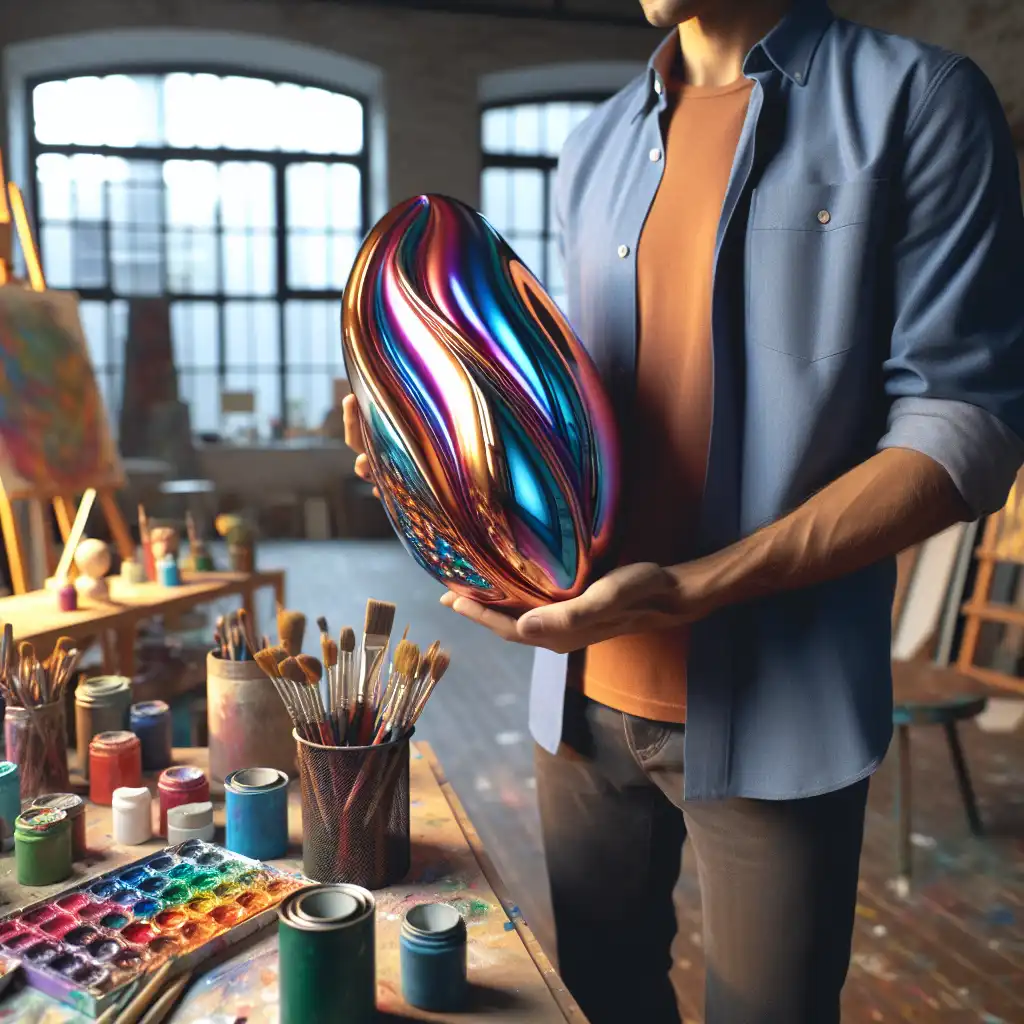
A paint that dries to a hard, glossy finish.
He used enamel to give the sculpture a shiny finish.
ɪˈnæml
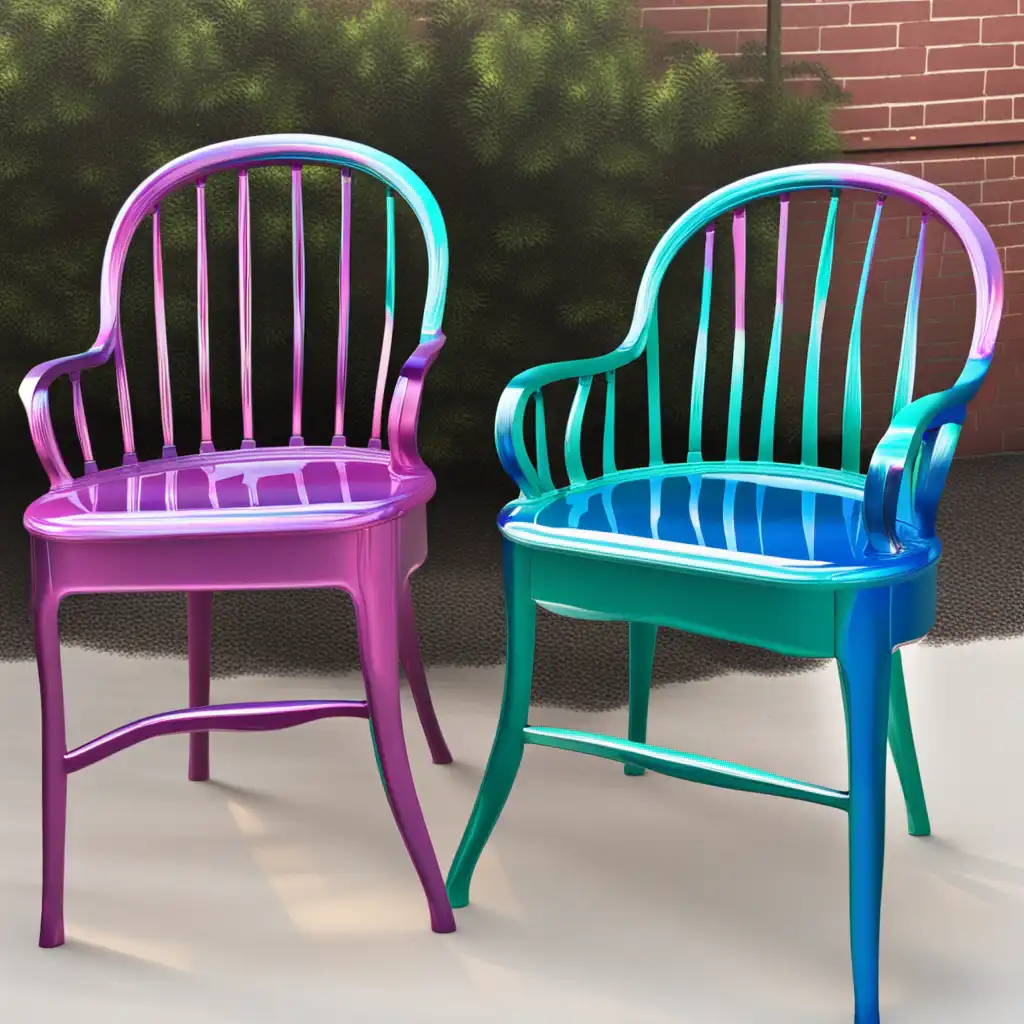
To cover something with enamel.
They decided to enamel the chairs with a glossy paint.
ɪˈnæml
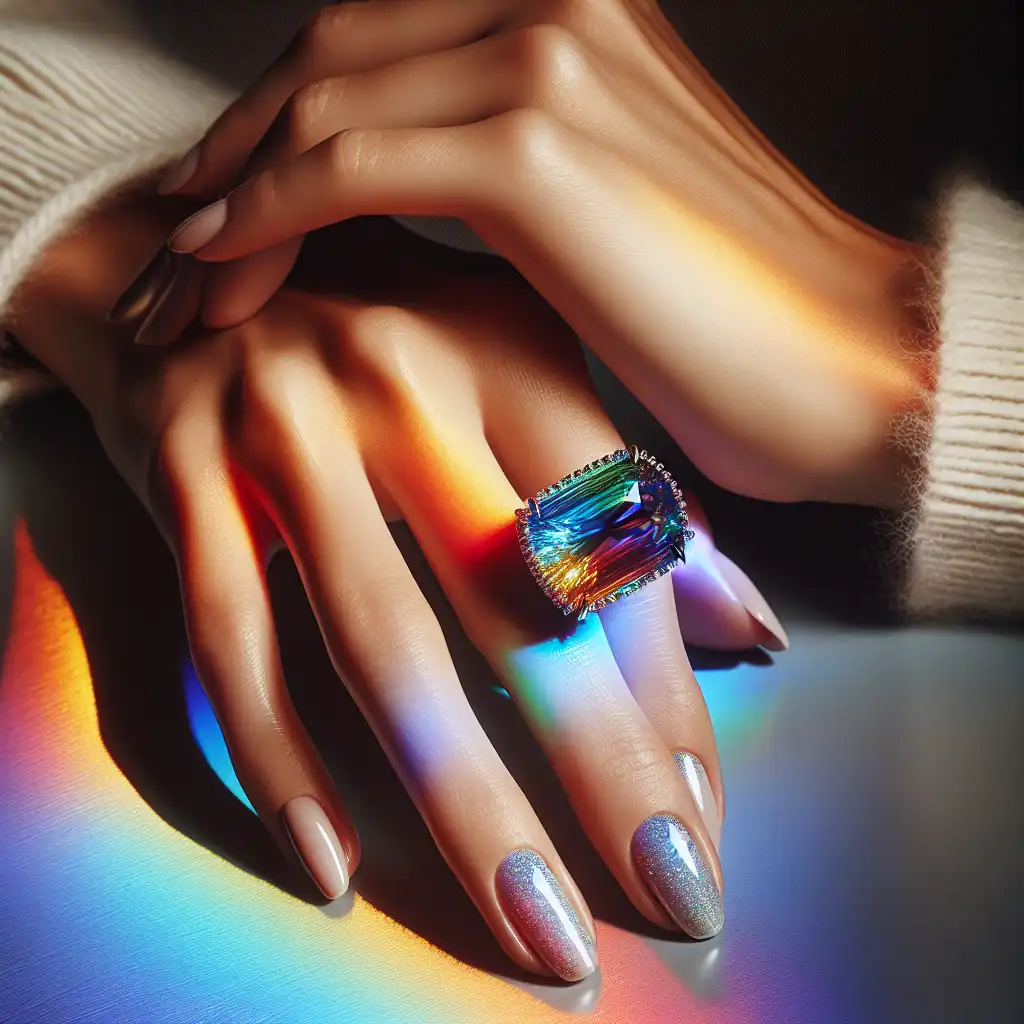
A material that is used to make beautiful things, such as jewelry, that is glossy and colorful when it's heated and hardened.
The enamel on her ring sparkled under the lights.
No se pudo cargar el audio. Inténtalo de nuevo más tarde.
Enamel is a hard, shiny coating that is used to protect and decorate things like teeth, nails, or ceramics. You might hear the word enamel in a dentist's office when they are talking about a tooth's enamel or in an art class when you are painting with enamel on a ceramic piece.
Coat typically refers to a layer or covering on the surface of something, like a coat of paint on a wall or a coat of fur on an animal.
Enamel specifically refers to a type of paint or coating made from fused glass or a similar material.
Coat is a general term for any kind of covering, while enamel refers specifically to a type of paint or coating that is made from fused glass.
Abrir palabra: Coat →Finish refers to the final coating or layer applied to a surface to achieve a certain appearance or texture.
Enamel is a type of paint, while finish is a coating or layer applied to achieve a certain appearance or texture.
Enamel is often used for metal surfaces due to its durability, while finish can be applied to a variety of surfaces for aesthetic purposes.
Abrir palabra: Finish →Glaze is a coating that is used on ceramic or pottery surfaces. It is basically a thin layer of glass that is melted onto the surface of the object.
Glaze can add color, texture, and shine to the surface of the object and help to protect it from moisture and wear.
Enamel is a type of paint used on hard surfaces like metal or wood, or the hard layer on teeth. Glaze is a type of coating used on ceramic or pottery surfaces to add color, texture, and protection.
Abrir palabra: Glaze →Enamel and lacquer are both types of coatings used to protect and decorate surfaces. Enamel is a type of paint made by mixing pigment, oil, and resin.
Lacquer is a clear or colored coating made from a mixture of resin and solvents.
It is typically used on wood or other porous surfaces to give them a glossy, durable finish. While enamel is better suited for metal surfaces, lacquer is better suited for wood surfaces.
Abrir palabra: Lacquer →Enamel is a type of paint that is typically used for hard, glossy surfaces like metals or ceramics. It dries to a hard and shiny finish that is resistant to wear and tear.
Paint is a more general term that can refer to a wide range of materials used to add color or texture to a surface.
Paint can have many different finishes, ranging from matte to glossy.
Enamel is a type of paint used for hard surfaces while paint is a more general term used for various surfaces.
Abrir palabra: Paint →Patina refers to a thin layer of color that forms on the surface of an object over time, usually due to exposure to elements such as air, water or sunlight.
Enamel is a finish applied intentionally for decorative purposes, while patina is a natural layer that forms over time due to exposure.
Abrir palabra: Patina →Shellac is a natural resin that is produced by the lac beetle and is used as a type of varnish or coating on wood or other surfaces.
Enamel is a type of paint while shellac is a natural resin coating. Enamel is applicable for a variety of surfaces while shellac is most commonly used on wood.
Abrir palabra: Shellac →Enamel and varnish are both types of coating substances used to protect and enhance the appearance of surfaces, but they differ in their composition, application and purpose.
Varnish is a transparent, resinous or oil-based coating that is applied on wood, stone, leather or other porous surfaces to seal and protect them from wear, water damage, and UV rays.
Varnish can be brushed or sprayed on and can be formulated to resist yellowing, cracking or fading.
Enamel is a solid, decorative and protective coating for hard and smooth surfaces, while varnish is a transparent, sealing and enhancing coating for porous materials.
Abrir palabra: Varnish →such as lactic acid. Mutans streptococci are resistant to this acid, but unfortunately our teeth aren't. While each human tooth is coated in a hardy protective layer of enamel, it's no match for acid.
Ver en YouTube ↗First you have to spread on the rust performer, then you add a coat of protective enamel, and then you spray on the satin finish so you look good.
a junkyard is Viper heavy with plenty of hiding places to launch enamel somewhere in the darkness the world's most
Ver en YouTube ↗Teeth actually turn out to be one of a couple of good sources of ancient DNA. The teeth, actually the enamel, is quite good at preserving the DNA, so it is a bit of time capsule so to speak.
the corner and the edge pieces of a jigsaw puzzle right? Once you have that you start to piece things together. The reason teeth are important is 'cause in your tooth enamel there's something called strontium. It's Sr 38 on the periodic table,
Ver en YouTube ↗Yes, the work comes out more beautiful from a material that resists the process, verse, marble, onyx, or enamel.
using oil and enamel on canvas. And here are a few more paintings by Sharon Molloy, some gorgeous intricate paintings. And here's another example of that interesting cross-pollination between science and art.
Ver en YouTube ↗Many parks in Florida have information kiosks with colorful enamel signs showing the special flora and fauna in the park. The gopher tortoise, the scrub jay, the indigo snake. At no park with an indigo snake on its kiosk signs could I find an indigo.
Stable isotopes in bone collagen and tooth enamel varies among mammals dependent on where they lived and what they ate. So by analyzing these isotopes, we can draw direct inferences regarding the diet and location of historic people. Not only that but during life,
Ver en YouTube ↗I like cast iron coated with enamel for longevity and forgiveness if I happen to take my eyes off the prize while pouring Chianti.
because all the cells that make it are lost, so we’re lucky that enamel can’t be easily destroyed. Odontoblasts use a more complex process but unlike ameloblasts they stick around, continuing to secrete dentin throughout your life. Despite the differences in teeth across the mammalian order,
Ver en YouTube ↗Marmite - like that other little black-jar job, Bovril - is so much a Mark 1 staple-of-Empire brand, so much part of the Edwardian world of enamel advertising signs, the history of grin-and-bear-it industrial food.
soybeans. He extracted their oil to make enamel for painting his cars. He crushed them into powder to make plastic parts. And he encouraged American farmers to grow as much of the plant as possible. But he wasn’t just feeding soy to machines.
Ver en YouTube ↗But for the vacation with my kids in the Bahamas, I'll bring a Michael Kors white gauze tunic, white Dolce & Gabbana jeans, Prada sandals, a ring by Iradj Moini, and enamel bracelets from Hermes.
damaging tooth enamel and eventually causing decay. Over time smoke also damages nerve-endings in the nose, causing loss of smell. Inside the airways and lungs, smoke increases the likelihood of infections,
Ver en YouTube ↗cruel people can be to enamels and how senseless this whole thing is because so
Ver en YouTube ↗when they touch your teeth with a dental explorer. You've all had this happen they go across. What they're feeling for is if the tooth is really hard then it's healthy, but if it's kind of soft and sticky, that's a signal that the enamel is starting to decay. These types of judgments are hard for a new dental student to make, because they haven't touched a lot of teeth yet.
Ver en YouTube ↗