
welter
noun welter
ˈweltər
A confusing mixture or mass of things
A welter of papers and documents was spread all over the desk.
welter
ˈweltər
読み込み中…
ˈweltər
A confusing mixture or mass of things
A welter of papers and documents was spread all over the desk.
ˈweltər
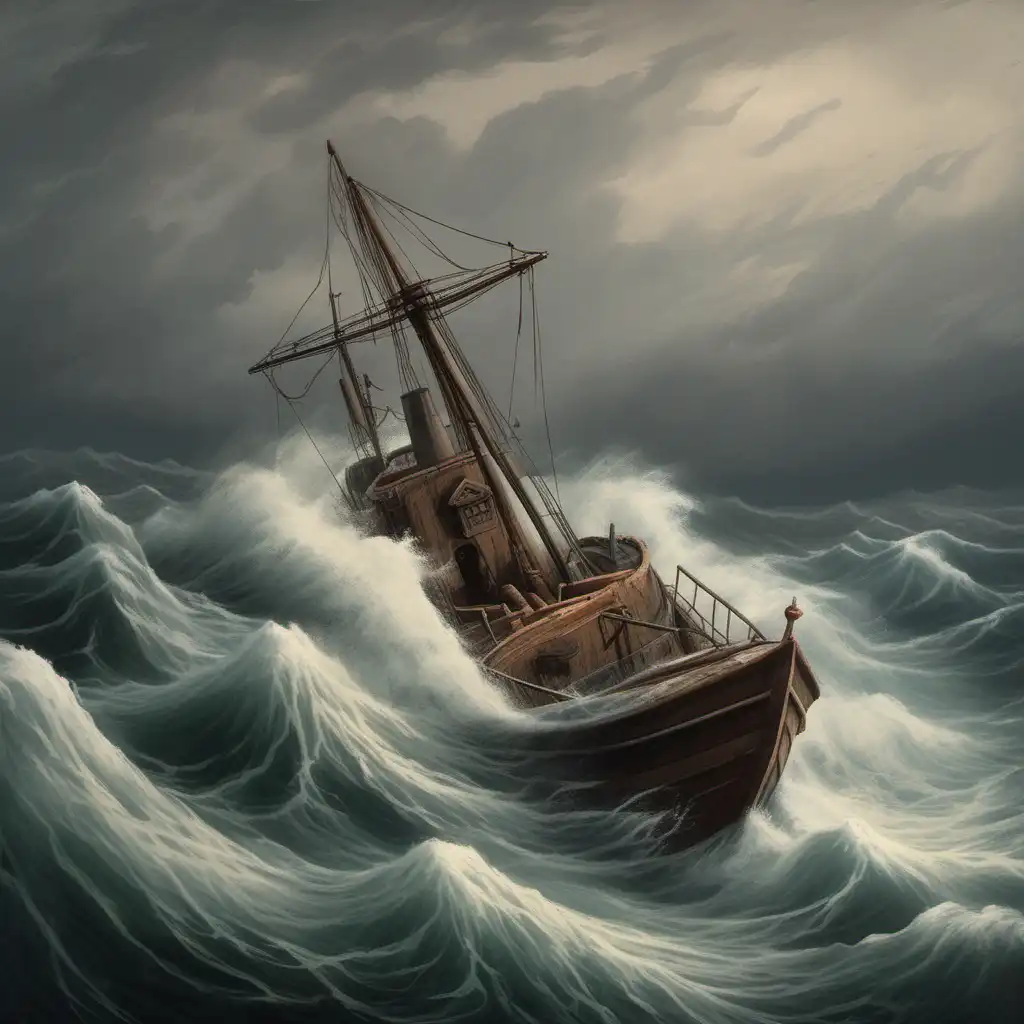
To roll, toss or move in a certain way, usually in a disorderly manner
The waves made the boat welter.
ˈweltər
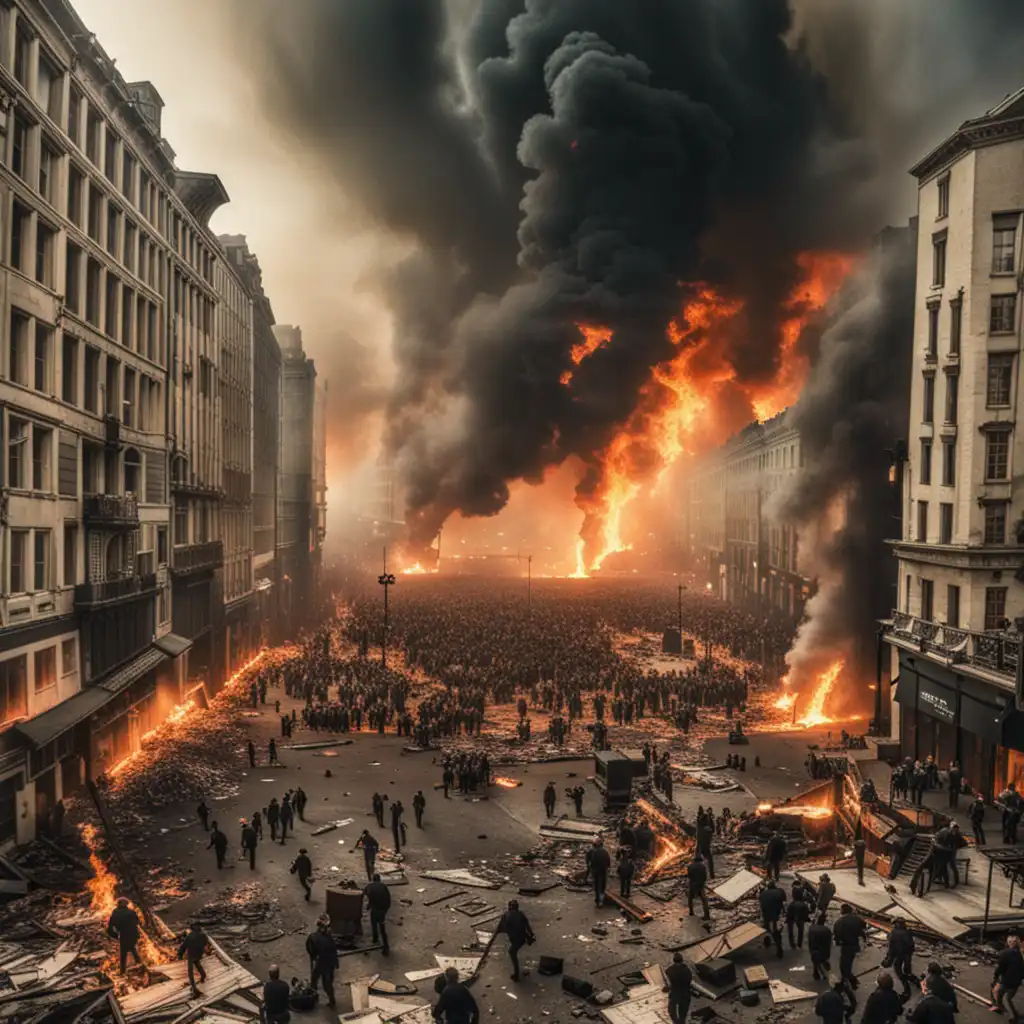
Involving a lot of violent activity
The city weltered in anarchy after the government's fall.

ˈweltər
A boxing weight category, between light and middleweight
He won the welterweight championship last year.
音声を読み込めませんでした。しばらくしてからもう一度お試しください。
"Welter" is a word that describes a chaotic, disorganized situation. You might use it to talk about a messy pile of objects, or a confusing jumble of ideas. For example, if your bedroom is always a mess, you could say it's a "welter of clothes and books." Or, if you're trying to make sense of a complicated topic, you might say you're struggling with a "welter of information." It's not a word you'll use every day, but it can be handy when you need to describe a situation that feels overwhelming or hard to make sense of.
Both chaos and welter refer to a state of disorder or confusion, but chaos typically describes a more extreme and uncontrollable situation, whereas welter suggests a situation that is more disorganized but still somewhat manageable.
For example, a riot in which buildings are on fire and people are looting could be described as chaos, while a crowded and disorganized street market could be described as a "welter of activity."
Chaos describes situations that are more catastrophic or threatening, while welter is used for situations that are more confusing or disorganized but not necessarily dangerous.
単語を開く: Chaos →Commotion refers to a noisy disturbance or uproar that can be caused by people or things.
It usually describes a chaotic situation that creates confusion or turmoil. For example, a crowd of people shouting and pushing each other can create a commotion.
Commotion describes a noisy disturbance caused by people or things, while welter describes a state of confusion or disorderliness.
単語を開く: Commotion →Confusion refers to a state of being unclear or uncertain about something, usually due to a lack of understanding or information.
Confusion refers to a mental state of uncertainty, while welter refers to a physical state of disarray or disorder.
単語を開く: Confusion →Disorder means a lack of order or organization, resulting in confusion or chaos.
The main difference between disorder and welter is that the former implies a lack of order, while the latter refers to a jumbled or messy situation.
単語を開く: Disorder →Mayhem refers to violent or chaotic behavior that causes destruction or injury.
It can be applied to situations like riots, brawls, or natural disasters that result in chaos and mayhem.
Mayhem is more extreme and violent, while welter is more about confusion and disorder.
単語を開く: Mayhem →Pandemonium refers to a situation that is extremely chaotic, loud, and disorderly. It is mostly applicable to situations where there is a lot of noise and confusion, such as during a protest, concert or sporting event.
Pandemonium refers to a loud and chaotic situation, while welter refers to a confusing and disorganized situation.
単語を開く: Pandemonium →Both turmoil and welter refer to a state of confusion or disorder.
However, turmoil generally refers to a situation with a lot of conflict and agitation, while welter describes a chaotic mess or jumble of things.
For example, a city in turmoil might be experiencing protests, riots, and clashes between different groups.
単語を開く: Turmoil →Upheaval refers to a sudden and massive disruption or change, often caused by some kind of intense force or upheaval. For example, a natural disaster like an earthquake or tsunami could cause an upheaval, as could a sudden change in government or social norms.
Upheaval refers to a sudden and intense disruption, while welter implies a chaotic and disorganized mess.
単語を開く: Upheaval →