tuber
noun tuber
ˈtuːbər
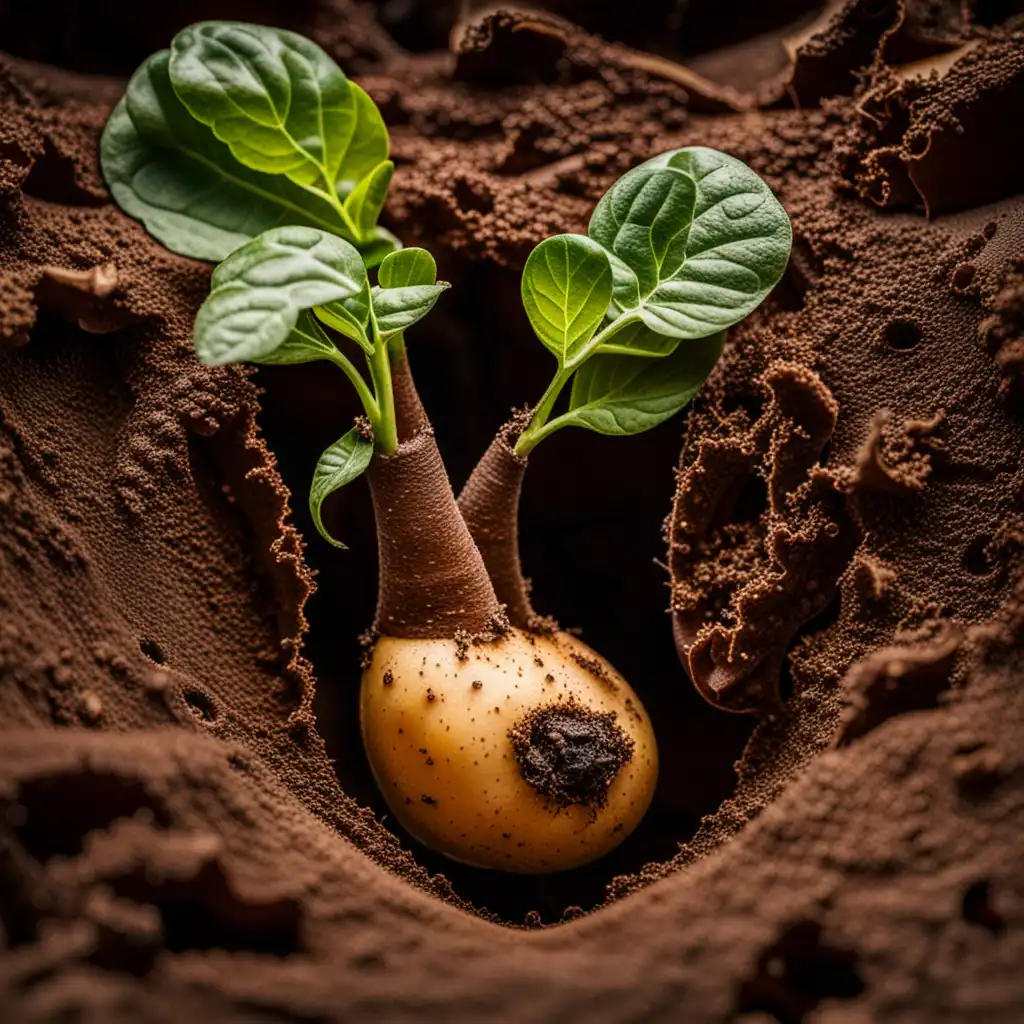
The thick underground part of a stem or rhizome, in which food is stored.
Potatoes and yams are examples of plants with tubers.
tuber
ˈtuːbər
불러오는 중…
ˈtuːbər
The thick underground part of a stem or rhizome, in which food is stored.
Potatoes and yams are examples of plants with tubers.
ˈtuːbər
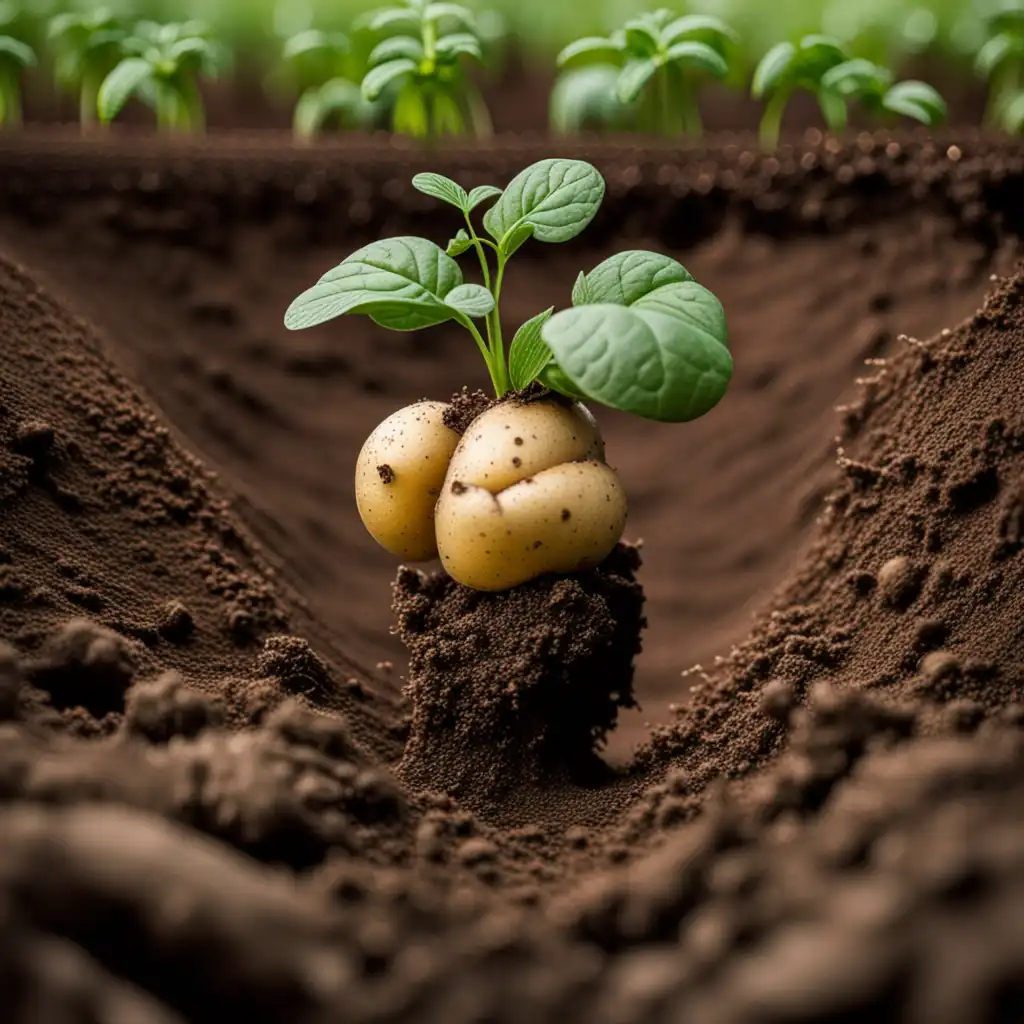
The swollen end of a plant stem that is typically underground and is used by the plant for storing nutrients.
The potato is a well-known tuber used extensively in cooking.
오디오를 불러오지 못했어요. 잠시 후 다시 시도해 주세요.
A tuber is a kind of plant that stores food inside its roots. It looks like a big, thick bulb or potato. Some examples of tubers are potatoes, yams, and sweet potatoes. We can eat them as vegetables. You can use the word 'tuber' when you talk about vegetables or plants, especially if you want to describe the part of the plant that we eat.
A bulb is a type of underground plant structure that stores food and nutrients in order to help the plant survive during the winter or during periods of drought.
A bulb typically consists of a short stem and thick, fleshy leaves. Examples of plants that grow from bulbs include tulips, daffodils, and onions.
A tuber is a swollen, underground stem that helps to store food and nutrients for the plant. Unlike bulbs, tubers usually do not have a stem or leaves.
In summary, bulbs store food and nutrients in fleshy leaves and a short stem, while tubers store food and nutrients in a swollen stem without leaves.
Bulbs are used by plants such as tulips and onions, while tubers are used by plants such as potatoes and yams.
단어 열기: Bulb →Both corms and tubers are types of plant structures that are used for storage. The main difference between them is the part of the plant from which they develop.
Corms are thickened, bulb-like stems that arise from the base of the plant. They are typically round or oval in shape and have a hard, outer layer that protects the plant tissue inside.
Corms are used by plants like taro, gladiolus, and crocus to store energy and nutrients during periods of dormancy.
In summary, corms develop from the base of the plant stem and are used for storage in plants like crocus and gladiolus, while tubers develop from underground stems and are used for storage in plants like potatoes and sweet potatoes.
단어 열기: Corm →A rhizome is a stem that runs underground horizontally and produces shoots and roots from its nodes. Rhizomes are used for storing food, sending up new shoots, and expanding the plant's territory.
Examples of plants with rhizomes include ginger, turmeric, and bamboo.
The main difference between rhizomes and tubers is that rhizomes are horizontal underground stems that produce shoots and roots, while tubers are swollen underground stems that store nutrients and produce buds for new shoots and roots.
단어 열기: Rhizome →This New Zealand Couple...
YouTube에서 보기 ↗What foods did your...
YouTube에서 보기 ↗History through the eyes...
YouTube에서 보기 ↗Up Close with the...
YouTube에서 보기 ↗Shifting the visual...
YouTube에서 보기 ↗A Plan to Feed the World...
YouTube에서 보기 ↗We Are What We Eat:...
YouTube에서 보기 ↗How will we survive when...
YouTube에서 보기 ↗Safari Live - Day 261 %\PIPE%...
YouTube에서 보기 ↗Bringing the Meat to...
YouTube에서 보기 ↗