wad
noun wad
wɑːd
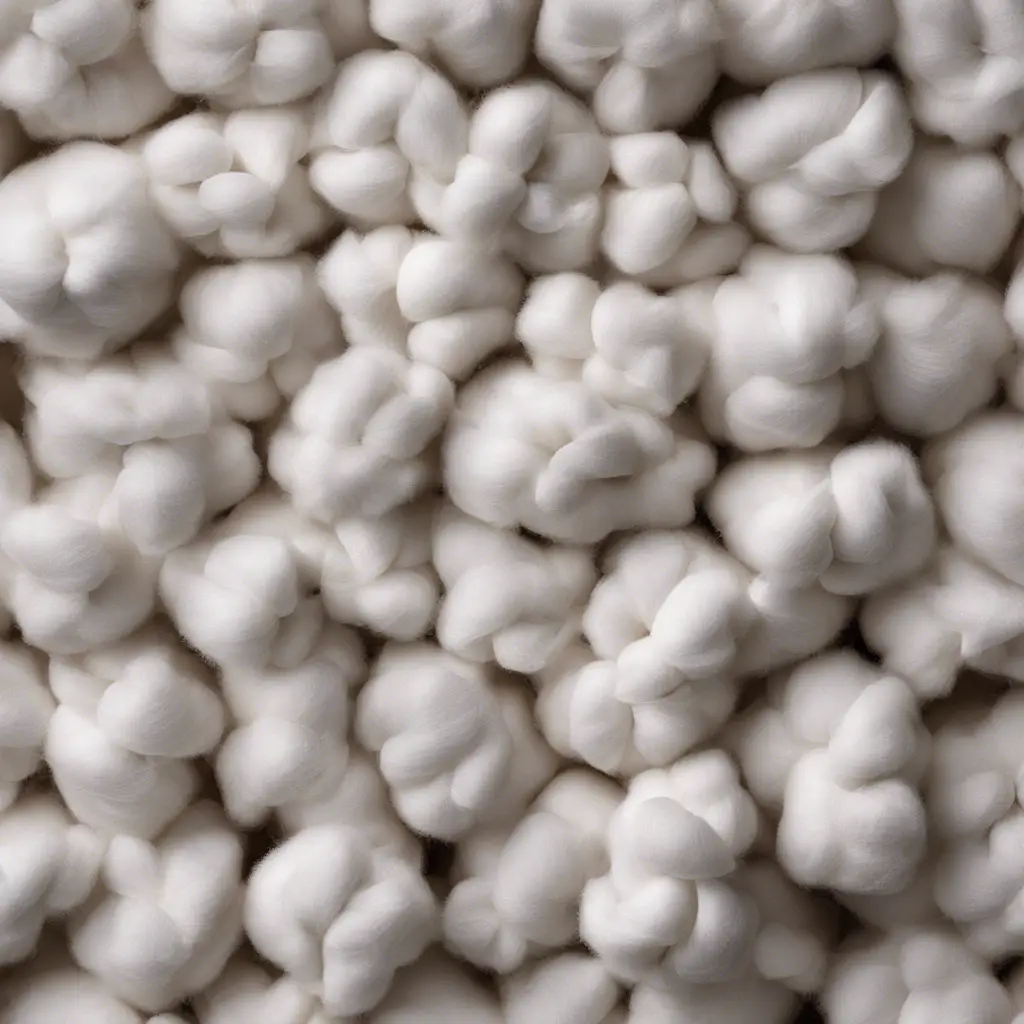
A small lump or bundle of a soft material.
She pulled out a wad of tissues from her pocket.
wad
wɑːd
Chargement…
wɑːd
A small lump or bundle of a soft material.
She pulled out a wad of tissues from her pocket.

wɑːd
A large amount of money.
He's got a wad of cash in his wallet.
wɑːd
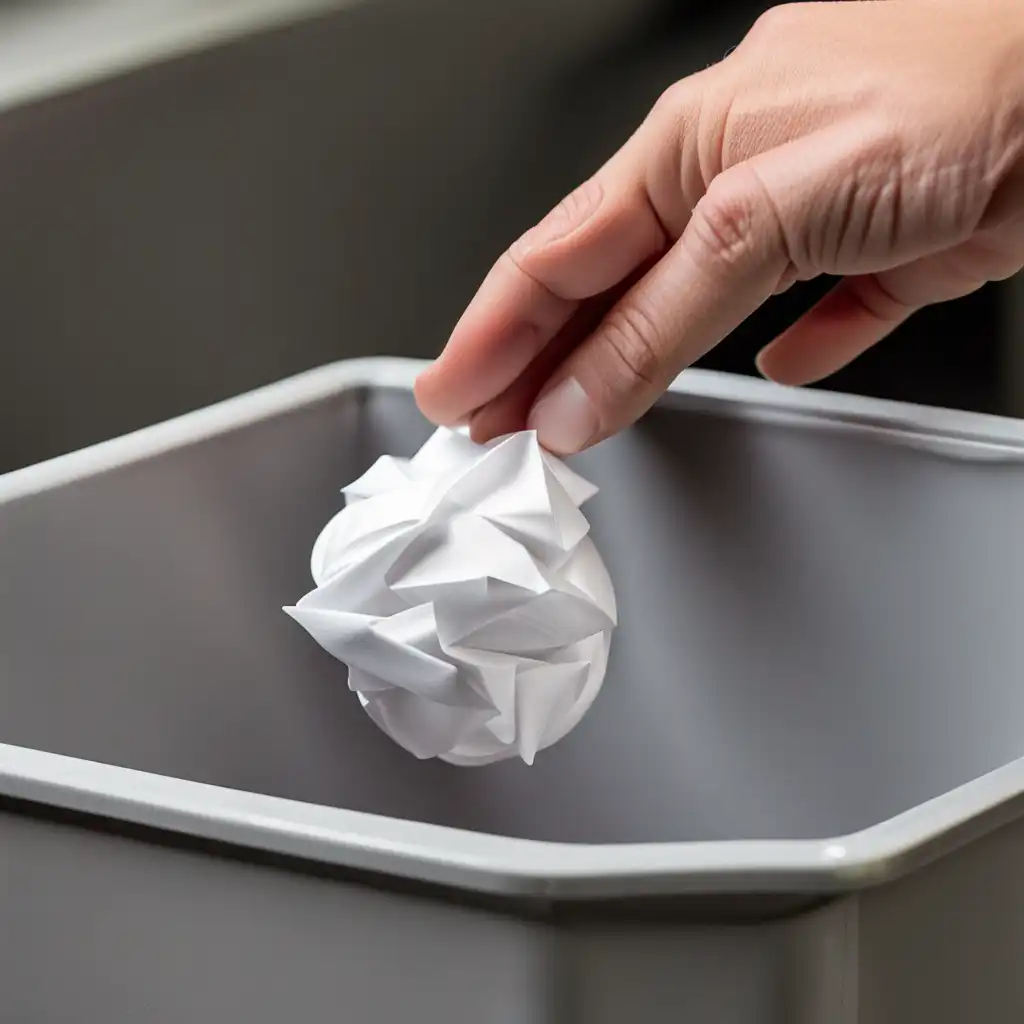
To compress into a small, dense lump or ball.
She wad the paper into a ball and threw it in the bin.
Impossible de charger l’audio. Réessayez plus tard.
The word 'wad' is usually used to refer to a small amount of something that is tightly packed or rolled up. For example, you might use this word to talk about a wad of paper (a small ball of paper), a wad of cotton (a small amount of cotton that has been rolled up), or even a wad of cash (a small stack of money). You might also use 'wad' to refer to a lump or bulge in a piece of material, such as a wad of fabric in a pillow or cushion. Overall, 'wad' is a simple and versatile word that you can use to describe a variety of small, compressed objects or materials.
Bunch refers to a group of similar or related things that are held or tied together. For example, a bunch of bananas or a bunch of flowers.
Both words can be applicable in different situations, but bunch is generally used for objects that are longer and more loosely packed, while wad is used for smaller, more tightly packed objects.
For example, you would say "a bunch of pencils" but "a wad of gum".
Ouvrir le mot: Bunch →However, bundle is used for larger or more organized groups, while wad is used for smaller or more haphazard groups.
For example, you might bundle up your winter clothing before storing it away for the summer. This implies that the clothing is neatly folded or rolled and wrapped tightly together.
Bundle is best used when referring to larger or more organized groups, while wad is best used for smaller or more haphazard groups.
Ouvrir le mot: Bundle →Clump refers to a group or cluster of things that are held or held together. For example, a clump of trees, clump of grass, or clump of dirt.
So, while a clump usually refers to a group of natural objects, a wad usually refers to a bunch of man-made objects that have been compressed or rolled tightly together.
Ouvrir le mot: Clump →A cluster refers to a group of things that are close together, usually of the same kind. For example, a cluster of grapes or a cluster of stars.
A cluster refers to things that are grouped together, while a wad refers to a mass of something that is condensed or rolled up tightly.
Ouvrir le mot: Cluster →A heap is a collection of things that are piled together in a disorderly way, while a wad is a small mass of soft material that is tightly compressed or rolled into a ball.
An example of a heap might be a pile of clothes on a chair, while a wad could be a bunch of paper that has been torn up and crumpled together into a ball.
A heap describes a messy or disorganized collection of things, while a wad describes something that has been tightly packed together.
Ouvrir le mot: Heap →Both lump and wad refer to a compact or irregular mass of something, but lump usually refers to a solid mass, often round or lumpy, like a lump of coal or lump of sugar.
Wad generally refers to a soft, malleable mass, often rolled or compressed, like a wad of chewing gum or wad of cash. You would use lump to describe a hard or solid mass and wad to describe a soft or compressible mass.
Ouvrir le mot: Lump →Mass generally refers to a large amount of something, usually in a formless or shapeless manner. For example, a mass of people, a mass of rocks or a mass of clouds.
Mass is applicable when talking about large amounts of something and wad is applicable when talking about small, compressed amounts of something.
Ouvrir le mot: Mass →Pile refers to a stack of objects that are placed one on top of another, whereas wad refers to a bundle of objects that are tightly packed or folded together.
For example, a pile of books on a shelf could refer to several books stacked on top of each other, while a wad of cash could refer to a stack of banknotes that are tightly held together.
Pile is more commonly used for objects that are simply stacked, while wad is more often used for objects that are tightly packed or folded together.
Ouvrir le mot: Pile →Willie must jump out as far as he can to avoid impaling himself on the towers rough wads he urges on the singers summoning support Willie proves why he is a land dive champion he's strong
Voir sur YouTube ↗Time is the ultimate long tail. Even with a big wad of money up front, if something sells forever, the back end is what ultimately counts.
I remember, when we first got married, the only money we had was what was in Chip's pocket. He always had a wad of cash, but we were broke. If I needed to go grocery shopping, it's whatever was in his pocket. That's how we paid the bills.
The biggest lie in the world is in answer to the question, 'How are you?' People usually say, 'I'm fine,' but that's mostly bull. Everyone wants to display being perfect. They tell themselves and their friends, 'I drive this car, I own this house, I'm fine.' People ball up into these tight wads of repression.
I don't think I can ever write about young kids anymore. I completely shot my wad there.
I don't write anything if I'm not agreeable and liking it. I'm not one of these slavers who wads up paper. It comes or it doesn't.
Men even contract the dirty, filthy habit of chewing tobacco, and when the habit gets a good hold upon them they are never satisfied except when they have a wad of the stuff in their mouth. So with drinking. It is largely a habit.
I started stuffing wads of cash into my socks and underwear and quietly passed by the T.S.A. agents with a grin on my face and a sigh of relief.
What I definitely don't like is people calling me or any of my siblings spoilt because we're not. We are privileged but my parents have never given us wads of cash or designer bags or shoes.
To detoxify my whole body, I'm a massive fan of dumping an entire wad of Epsom salts into the bath with a couple of drops of lavender or sage oil.