
manacle
noun manacle
ˈmænəkl
A piece of metal for binding or confining the hands or feet
He was put in manacles for stealing.
manacle
ˈmænəkl
Đang tải…
ˈmænəkl
A piece of metal for binding or confining the hands or feet
He was put in manacles for stealing.
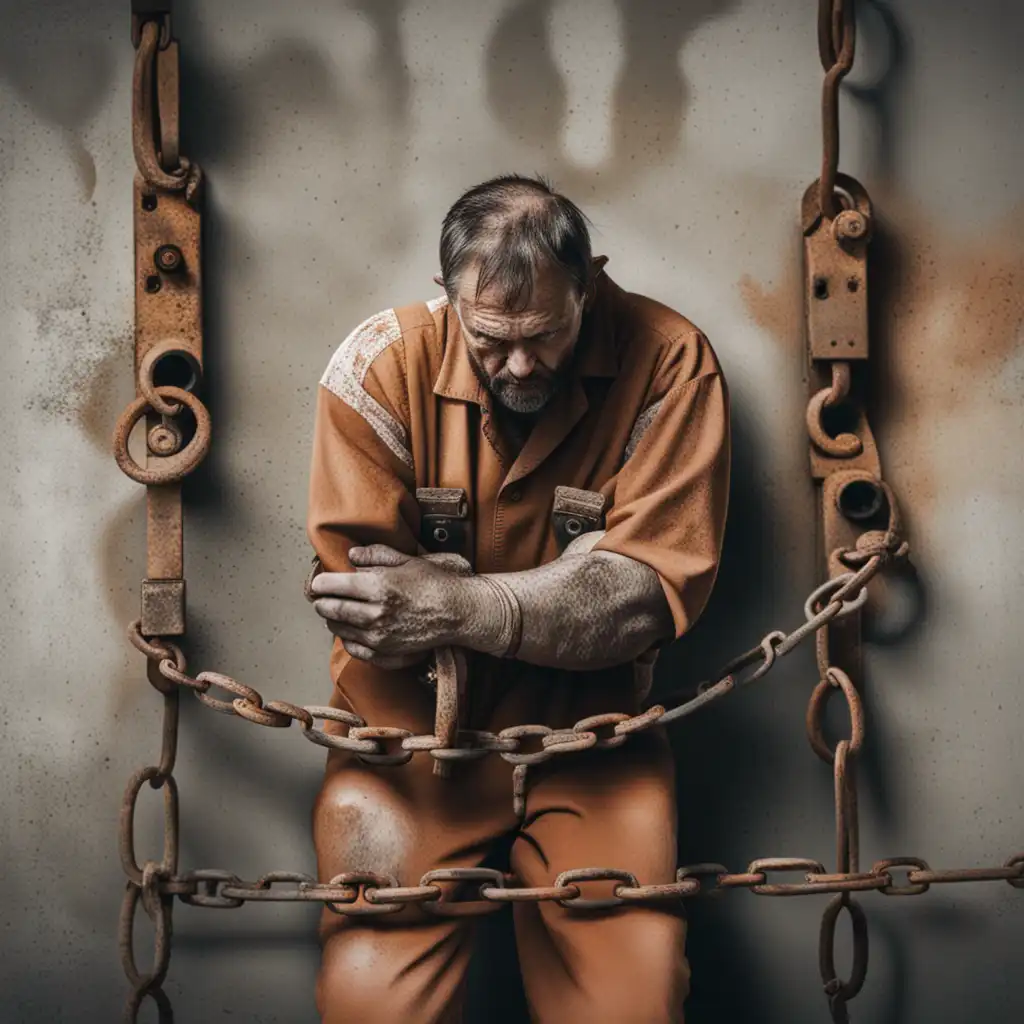
ˈmænəkl
To bind or confine someone with a manacle, preventing from moving
The prisoner was manacled to the wall.

ˈmænəkl
A thing acting as a restraint
Poverty is the manacle of the creative spirit.
Không tải được âm thanh. Vui lòng thử lại sau.
The word 'manacle' refers to a type of handcuff or a chain used to restrain someone's hands or feet. It is commonly used by police officers or prison guards to keep a person under control or prevent them from escaping. Manacles can also be used figuratively to describe a situation or circumstance that restricts a person's freedom or limits their potential.
A chain is a series of metal links joined together which is generally used to fasten, secure or lift things. For example, a chain can be used to lock a gate or secure a bicycle.
A manacle is a metal shackle, usually connected by a chain, which is designed to restrain and immobilize a person's hands and wrist.
So, in simple terms, a chain is a versatile tool that can be used in many situations, whereas a manacle is specifically designed for restraining people.
Mở từ: Chain →Both clamp and manacle are devices used to hold something in place, but they have different uses.
A clamp is a device used to hold things together or to attach them to something else. For example, you might use a clamp to hold two pieces of wood together while glue dries or to attach a light fixture to a pole.
Clamps can be adjusted to fit a range of sizes and are often used in woodworking and construction.
They are not meant for everyday use and are not adjustable like a clamp.
A clamp is used to hold things together, while a manacle is used to restrain a person's movements.
Mở từ: Clamp →Cuff and manacle both refer to restraints used to confine a person, but there are subtle differences between the two words.
A cuff typically refers to a restraint that encircles the wrist, such as those used in handcuffs. They can also refer to clothing accessories that encircle the wrist, such as cufflinks.
Manacles typically refer to a restraint that encircles both the wrist and the ankle, or two wrists together. They are typically heavier and more restrictive than cuffs, and historically have been used as a punishment for criminals or prisoners.
You would use the word cuff when referring to a lighter restraint used for detention or arrest, while manacle would be more appropriate when referring to a heavier restraint used for punishment or confinement.
Mở từ: Cuff →Both fetter and manacle refer to restraints or shackles used to bind a person's hands or feet.
However, fetter typically refers to a restraint used to keep someone from moving their legs, such as a chain around an ankle, whereas manacle typically refers to a restraint used to keep someone from moving their hands, such as handcuffs.
Mở từ: Fetter →Both handcuffs and manacles are restraints that are placed on a person's wrists.
However, handcuffs are typically used by law enforcement officials and are made of metal, with a rigid design that locks around the wrists.
In summary, handcuffs are specific restraints used by law enforcement officers, while manacles are a broader term that covers various types of restraints used in different settings.
Mở từ: Handcuff →Iron is a metal material that is often used to create tools, weapons or equipment.
It can also be used as a noun to describe a heavy implement that is made of iron.
The primary difference between the two words is that iron generally refers to a type of metal, while manacle refers to a piece of metal used for restraint.
Mở từ: Iron →Manacles are a type of restraint that are typically metal cuffs used to bind a person's wrists or ankles.
Restraint refers to any method or tool used to restrain or limit a person's movement. This can include handcuffs, straitjackets, ropes, or any other material used to restrict physical mobility.
Restraints can be used in a variety of situations, including in prisons or psychiatric hospitals to prevent a person from harming themselves or others.
In summary, manacles are a specific type of restraint that are typically used in law enforcement, while restraint refers to any method or tool used to restrict movement.
Mở từ: Restraint →Both manacle and shackle are synonyms, which means they have similar meanings. When we talk about these words, we are referring to a metal device that locks around a person's wrists or ankles, typically used to restrain them.
However, the word shackle is more commonly used to describe the metal cuffs attached to a chain or rope to restrict movement of a person.
Shackles are often used in prisons, on ships, or by law enforcement officers to restrain criminals.
Manacle refers to the pair of cuffs that lock together around a person's wrists, like handcuffs. Manacles, in general, tend to be smaller and less cumbersome than shackles.
In summary, shackles are used to restrict movement over a long period, like on long voyages or in prison. Manacles are more often used for short periods, like transporting or detaining someone temporarily.
Mở từ: Shackle →An entertainment icon on...
Xem trên YouTube ↗During the period of house arrest, I had an electronic manacle around my leg for 24 hours a day, and for someone who has tried to give others liberty all their adult life, that is absolutely intolerable.
Every day I would wake up and think, 'Today is another missed opportunity to do something important.' After enough days like this, you start feeling like you are getting old, even when you are relatively young. We are all natural entrepreneurs, and being manacled to a desk job is not for us.