
inflexible
adjective inflexible
ɪnˈfleksəbl
Unable to change or adapt
He was inflexible in his decision, not ready to listen to any suggestion.
inflexible
ɪnˈfleksəbl
Đang tải…
ɪnˈfleksəbl
Unable to change or adapt
He was inflexible in his decision, not ready to listen to any suggestion.
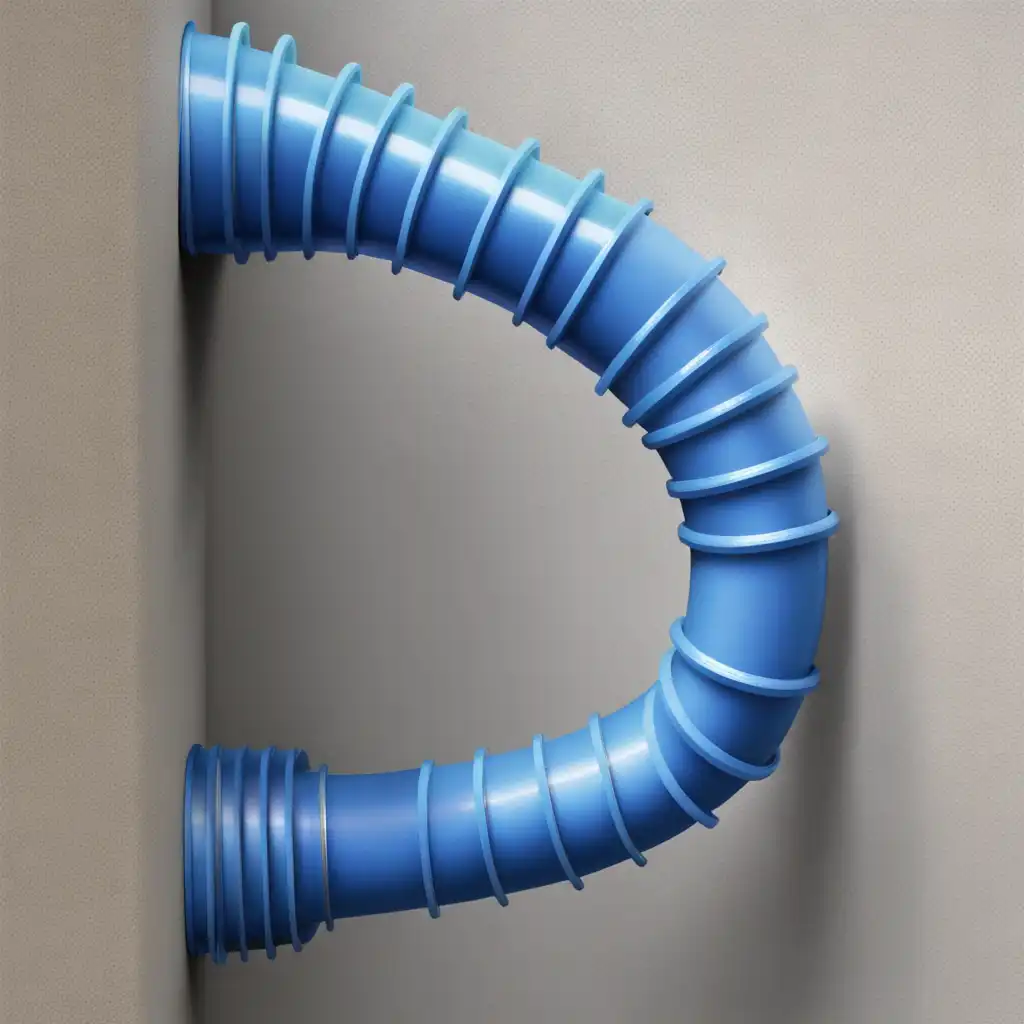
ɪnˈfleksəbl
Unable to bend or be forced out of shape
The inflexible plastic pipe couldn't be bent around the corner.

ɪnˈfleksəbl
Strict and unbending
The inflexible rules of the school left no room for creativity and fun.
Không tải được âm thanh. Vui lòng thử lại sau.
The word 'inflexible' means that something or someone is not able to change or adapt easily. For example, a rule or law that cannot be changed even if the situation is different, can be described as inflexible. Similarly, a person who is unwilling to change their opinions or ways of doing things can also be considered inflexible. It is important to use this word carefully as it can have a negative connotation and may offend someone if used inappropriately.
The words adamant and inflexible both refer to being unwilling to change your mind or opinion about something, but adamant has a more positive connotation, meaning that someone is standing firm on a belief for a good reason, while inflexible has a negative connotation, meaning that someone is unyielding, stubborn, and not open to compromise even when it's not necessary.
For example, if someone is adamant about their beliefs in human rights or social justice, it means that they firmly believe in a good cause and are committed to it.
Mở từ: Adamant →Firm means strong, resolute, and determined, while the word inflexible means stubborn, unyielding, and uncompromising.
Firm is applicable when someone is confident and determined about their beliefs or decisions, while inflexible is applicable when someone refuses to change their mind or adapt to a new situation, even if it might be beneficial.
Essentially, being firm means having a strong sense of purpose, while being inflexible means being rigid and unwavering, even when it might not make sense.
Mở từ: Firm →The difference between immovable and inflexible is that immovable refers to something that cannot be moved physically, while inflexible refers to something that cannot be changed or adapted easily.
For example, a heavy stone statue can be described as immovable because it cannot be moved physically without great effort.
Both words can be applied to different situations depending on the context. Immovable might be used to describe a large object such as a building or a boulder that cannot be moved easily, while inflexible might be used to describe a rule or policy that cannot be changed easily.
Mở từ: Immovable →Both words describe a person or thing that is stubborn or unchangeable, but the difference lies in their connotations. Inexorable suggests a greater sense of relentlessness or determination, often implying a sense of unavoidable fate or overwhelming force.
For example, "the inexorable march of progress" suggests that change is happening no matter what anyone may want. Inflexible tends to suggest a more deliberate, personal choice to not bend or compromise.
Mở từ: Inexorable →Both inflexible and obdurate mean stubborn and unwilling to change their mind or opinion.
Obdurate on the other hand, refers more to a person who is unyielding, who persists or remains stubborn in his or her beliefs or actions despite proof or persuasion, such as an obdurate opponent in a debate or an obdurate criminal who refuses to confess.
Inflexible applies more to rules and situations, while obdurate applies more to people and their stubbornness.
Mở từ: Obdurate →Relent means to become less severe or intense. It is applicable when someone who was previously firm or unbending in their stance, suddenly becomes more flexible or forgiving.
Mở từ: Relent →Both inflexible and rigid refer to something that is not easily changed or adaptable.
However, inflexible refers more to the inability to change or be flexible, while rigid suggests that something is stiff or hard and cannot be bent or altered easily.
For example, an inflexible schedule is one that is set in stone and cannot be adjusted, while a rigid object like a metal rod is firm and cannot be bent without breaking.
Inflexible is more commonly used to describe ideas, rules, or people, while rigid is more often used to describe physical objects or materials.
Mở từ: Rigid →Both inflexible and stubborn refer to someone who is unwilling to change their mind or behavior, but there are slight differences in their meanings.
Stubborn refers to someone who is determined to do things their own way, even if it's not logical or practical. For example, a stubborn person might refuse to try a new strategy, simply because it wasn't their idea.
Both words can be applicable in different situations, depending on the context. A person can be both inflexible and stubborn, or they might only exhibit one of these traits.
Mở từ: Stubborn →Inflexible means rigid or unable to change, while the word unbend means to become less strict or severe.
If someone is initially against a plan but then changes their mind and agrees to compromise, they are unbending.
Inflexible is generally used to describe people or things that are hard to change, while unbend describes a situation or attitude that is becoming more flexible.
Mở từ: Unbend →Inflexible means rigid, unbending or unchangeable, while yield means to give way or surrender to someone or something.
Inflexible is applicable when describing a person or thing that does not bend or adapt to changing circumstances, while yield is applicable when describing a person or thing that accommodates or gives in to others or situations.
For example, an inflexible person might refuse to consider other options or opinions, while a yielding person might compromise or make concessions to find a solution.
Mở từ: Yield →Tan Le: My immigration...
Xem trên YouTube ↗Important principles may, and must, be inflexible.
The rise of human-compute...
Xem trên YouTube ↗The truth is, hardly any of us have ethical energy enough for more than one really inflexible point of honor.
How electromagnetic...
Xem trên YouTube ↗I maintain the importance of an absolute prohibition against torture, while acknowledging that even absolute prohibitions can sometimes be broken. If that is a contradiction, it is a contradiction that ethics has to embrace, or else it becomes like glass: hard, clear, but fatally inflexible.
The deadly legacy of...
Xem trên YouTube ↗If you are inflexible in the body, look at what you are holding onto unnecessarily in your life. Release tension, and life will open up.
My immigration story -...
Xem trên YouTube ↗Where ambition can cover its enterprises, even to the person himself, under the appearance of principle, it is the most incurable and inflexible of passions.
On reading the Koran -...
Xem trên YouTube ↗I had assumed that Bush's seemingly inflexible policy to support Sharon was for political reasons of his getting elected. But as to whether he really believes his actions are going to hasten the day of the final conflict, I do not know.
Clay Shirky: How the...
Xem trên YouTube ↗I think justices of all stripes agree that stare decisis is important, but not an inextricable command. It's not inflexible; it's not absolute.
The secret weapon that...
Xem trên YouTube ↗German businessmen are overwhelmed by the high cost of doing business. Inflexible rules, enforced by a burgeoning bureaucracy, discourage entrepreneurship.
Lesley Hazleton: A...
Xem trên YouTube ↗We are beginning a new era in our government. I cannot too strongly urge the necessity of a rigid economy and an inflexible determination not to enlarge the income beyond the real necessities of the government.
Shyam Sankar: The rise...
Xem trên YouTube ↗Inflexible in faith, invincible in arms.