hobgoblin
noun hobgoblin
ˈhɑːbɡɑːblɪn
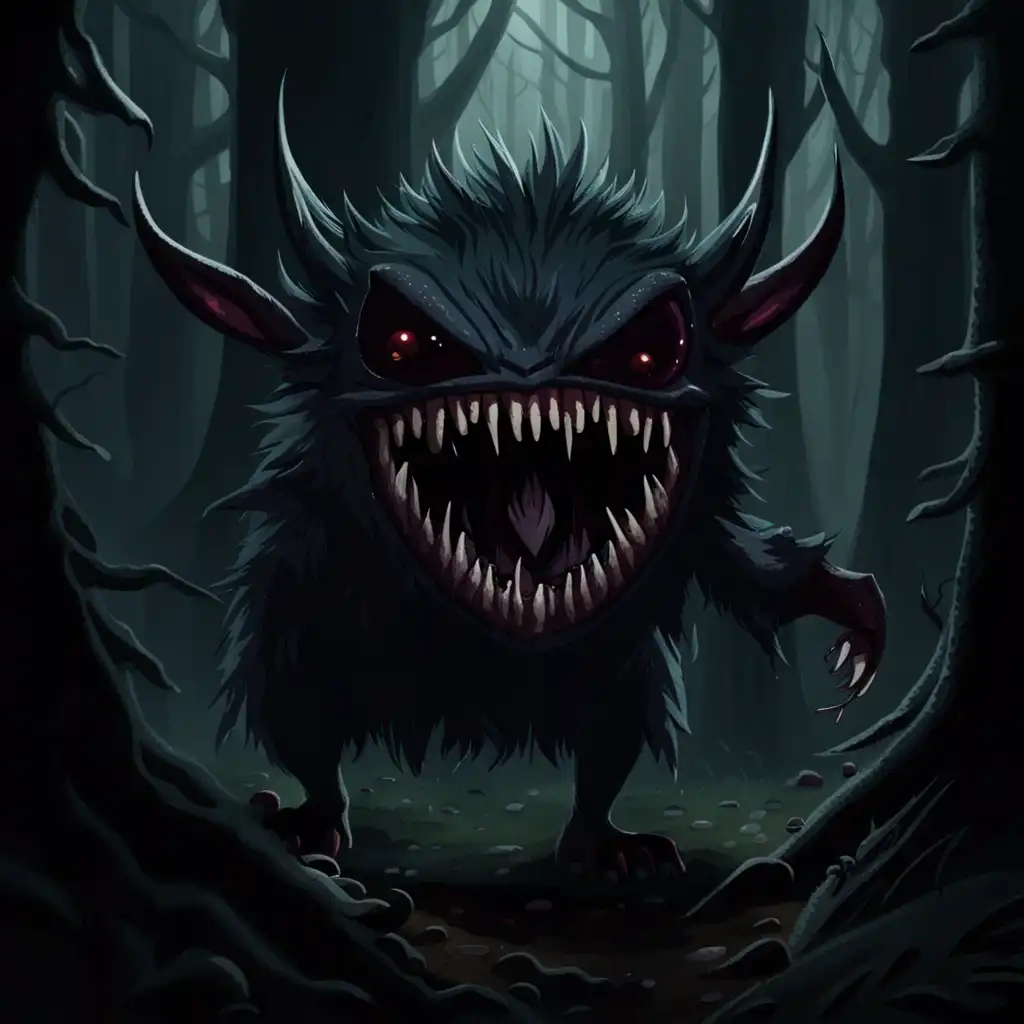
A type of small, wicked creature that appears in stories and old folk tales.
In the dark forest, they were confronted by a hobgoblin, snarling and bearing sharp teeth.
hobgoblin
ˈhɑːbɡɑːblɪn
Cargando…
ˈhɑːbɡɑːblɪn
A type of small, wicked creature that appears in stories and old folk tales.
In the dark forest, they were confronted by a hobgoblin, snarling and bearing sharp teeth.
ˈhɑːbɡɑːblɪn
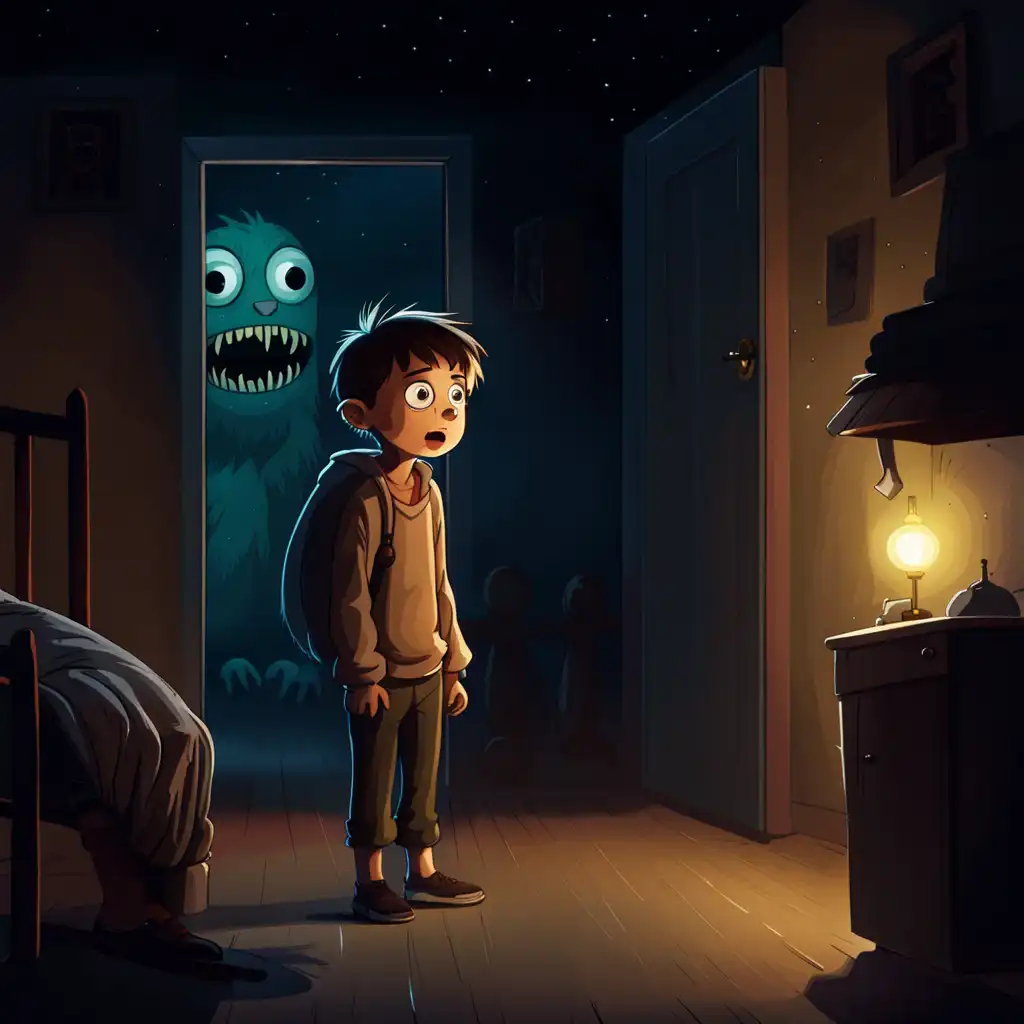
Something that causes a lot of fear or worry but is actually not very serious or important.
His fear of being alone at home was a hobgoblin that haunted him in his childhood.
No se pudo cargar el audio. Inténtalo de nuevo más tarde.
A hobgoblin is a word used to describe a mischievous or frightening creature that people believe lives in houses, particularly in old houses. You can also use it to describe any kind of creature or object that creates feelings of fear or anxiety. For example, "Spiders are the hobgoblins of many people's nightmares."
A creature is a general term used to describe any living being, often referring to animals, mythical creatures or even humans.
A hobgoblin is a specific type of mythical creature that is often depicted as mischievous or even malevolent. They are usually smaller than humans and may have a more human-like appearance.
Creature is a more general term that can refer to any type of living being, while hobgoblin is a specific type of mythical creature with its own distinct characteristics.
Abrir palabra: Creature →A demon is typically portrayed as an evil supernatural being in many religions and cultures that has the power to possess or harm humans.
In literature and mythology, demons are often associated with temptation, corruption, and destruction, while hobgoblins are known for their playful and mischievous behavior, such as stealing household items or hiding things.
Overall, demons are the more sinister of the two and are typically associated with fear and danger, while hobgoblins are seen as more whimsical and harmless, but still mischievous.
Abrir palabra: Demon →A goblin is a mythical creature often depicted as small, mischievous, and grotesque. They are typically portrayed as evil and are associated with causing trouble or harm to humans.
A hobgoblin is a larger, more menacing version of a goblin. Hobgoblins are often depicted as tricksters rather than outright evil, but they are still considered dangerous and unpredictable.
Both goblins and hobgoblins are used in fantasy literature and games, but hobgoblins are typically portrayed as more powerful and dangerous than goblins.
In general, goblins are seen as smaller and more mischievous creatures, while hobgoblins are larger and more menacing.
Abrir palabra: Goblin →Both hobgoblin and imp refer to mischievous supernatural creatures, but they differ in certain ways.
A hobgoblin is typically described as bigger and tamer than an imp.
An imp is usually smaller and more malevolent than a hobgoblin.
Imp can also describe a mischievous or troublesome person, especially a child.
A hobgoblin is a larger and more benign mischievous creature, while an imp is smaller and more malevolent.
Abrir palabra: Imp →A monster is a more serious and threatening creature that is often depicted as terrifying and dangerous.
Monsters can be found in horror stories, movies, and mythology.
Hobgoblin describes a smaller, less frightening supernatural being, while monster describes a larger, more frightening creature.
Abrir palabra: Monster →Hobgoblin and phantom are both words that describe something that is not real, but they have different meanings.
A phantom is typically seen as a ghost or spirit, something that is not really there but appears to be.
Hobgoblin describes a mischievous and magical creature while phantom describes an eerie and ghostly figure.
Abrir palabra: Phantom →Both hobgoblin and puck are terms used to describe mischievous spirits or fairies in folklore.
However, hobgoblin typically refers to a spirit that is more malevolent or scary in nature, while puck refers to a playful and sometimes helpful spirit.
Shakespeare's character Puck in A Midsummer Night's Dream is a well-known example of a helpful puck.
Abrir palabra: Puck →A hobgoblin is usually considered to be a mischievous and troublesome creature, while a sprite is usually considered to be a small and playful supernatural being.
A hobgoblin is often associated with causing mischief and playing pranks, while a sprite is often associated with nature and magic.
Both terms are used in fantasy and folklore, but hobgoblins are typically portrayed as larger and more menacing, while sprites are portrayed as smaller and more magical.
Abrir palabra: Sprite →A foolish consistency is the hobgoblin of little minds, adored by little statesmen and philosophers and divines.
The first complete sentence out of my mouth was probably that line about consistency being the hobgoblin of small minds.