feces
noun feces
ˈfiːsiːz
Waste material from the body that is excreted through the anus after digestion.
The doctor will need a sample of your feces for the test.
feces
ˈfiːsiːz
Đang tải…
ˈfiːsiːz
Waste material from the body that is excreted through the anus after digestion.
The doctor will need a sample of your feces for the test.
ˈfiːsiːz
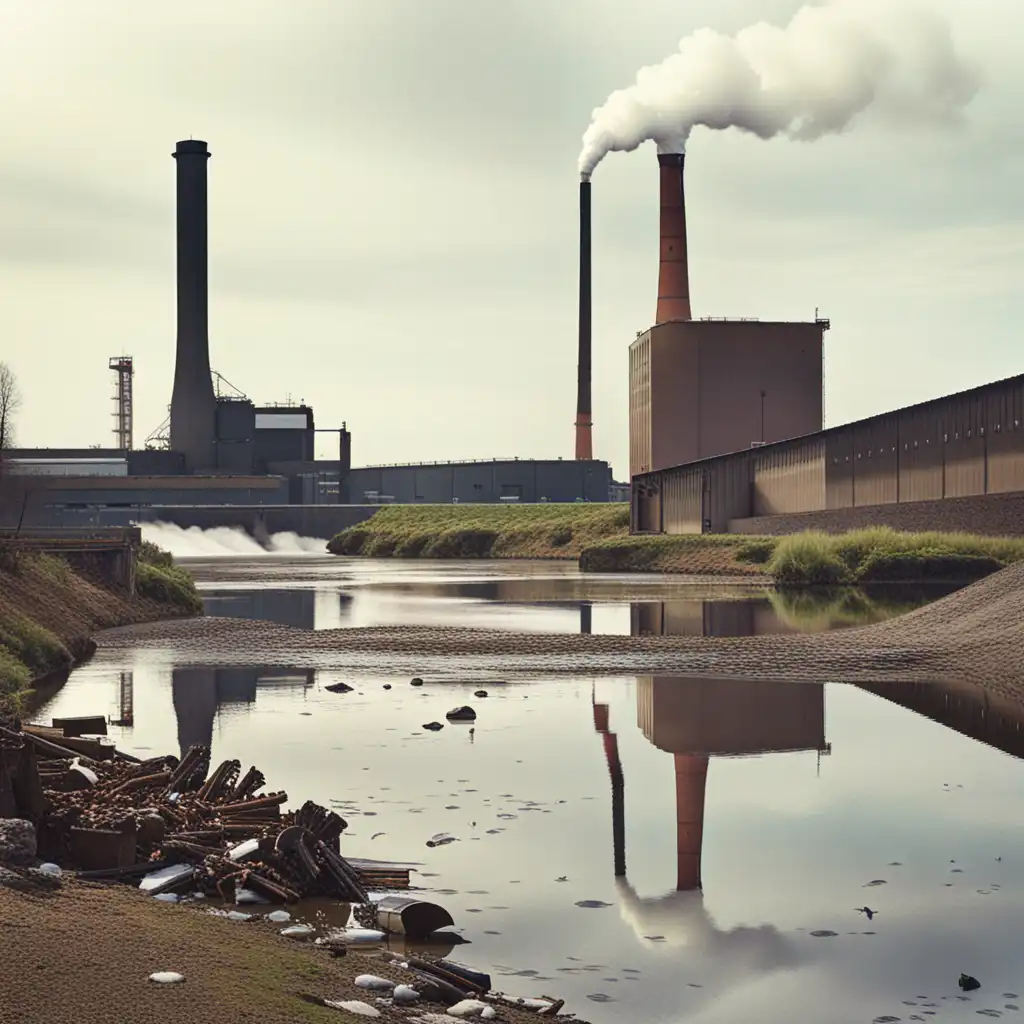
Any kind of waste or unwanted material.
The factory dumped feces into the river, causing pollution.
Không tải được âm thanh. Vui lòng thử lại sau.
"Feces" is a scientific word that refers to the solid waste that comes out of your body when you go to the bathroom. It is not something people usually talk about in polite conversation, so it is important to use it only in appropriate settings, such as in a medical or scientific context. For example, a doctor may ask you questions about your feces if you are experiencing digestive problems. It is not usually used in everyday conversation or writing.
Both dung and feces refer to animal waste, but dung is specifically used to describe the waste of herbivorous animals like cows and horses, while feces is more commonly used to describe the waste of humans and other animals.
Dung is a more informal term and is often used in agricultural or farming contexts, while feces is a more scientific term that is used in medical and biological contexts.
Mở từ: Dung →Both excrement and feces refer to bodily waste that is eliminated through the anus.
However, excrement is a broader term that can refer to waste produced by both animals and humans, while feces specifically refers to human waste.
Excrement can be applicable in a wider context, while feces is more specific to human waste.
Mở từ: Excrement →Feces refer to the waste matter discharged from the human or animal body, while manure refers to animal feces or other organic material used to fertilize soil.
Feces are applicable in medical and scientific contexts, while manure is applicable in agriculture and gardening contexts.
Feces are waste material to be discarded, while manure is a valuable resource that can be used to improve soil health and promote plant growth.
Mở từ: Manure →The words feces and poop both refer to the solid waste that comes out of our bodies.
However, feces is a more scientific or formal term, while poop is a more casual or informal term.
Feces is often used in medical or scientific contexts, while poop is commonly used in everyday conversation. If someone wanted to talk about stool in a serious, professional way, they would likely use feces, but if they were talking about it with friends, they might use "poop.".
Mở từ: Poop →Both feces and shit refer to solid waste matter that is excreted from the body. Feces, however, is a more scientific or medical term that is commonly used in formal settings such as hospitals or research institutions.
Shit is a more casual and vulgar term that is commonly used in everyday language. Therefore, in everyday conversation or informal settings, it is more appropriate to use shit; whereas in formal settings, it is more appropriate to use feces.
Mở từ: Shit →However, stool is a more polite way to refer to it and is often used in medical settings. Feces is a scientific term and is used more in academic or scientific literature.
In everyday conversation, it's generally better to use stool instead of feces because it's more polite.
Mở từ: Stool →Feces refers specifically to solid bodily waste that is expelled from the digestive tract. Waste refers more generally to any substance that is no longer useful and needs to be disposed of.
Waste can include many different types of materials, including feces, but it can also refer to things like garbage, chemicals, and other industrial or household refuse.
Feces is a specific type of waste that comes from the body, while waste can refer to a variety of different materials that need to be disposed of.
Mở từ: Waste →To understand why let's take a look at the parasite's life cycle. While the parasite can multiply in practically any host, it can only reproduce sexually in the intestines of cats. The offspring called oocysts are shed in the cat's feces.
Xem trên YouTube ↗I'm not trying to hide from my past. I want to roll in it. Like a dog, rolling in feces, I'm rolling in the feces of my greatest hits - that's a bit of a wild way of looking at it, but I am a man, and we do like rolling in our own feces at times.
like banging their heads on the walls of their cells or smearing themselves with feces. Or attempting suicide some of them successfully. Many people cut themselves just to feel the pain that keeps them tethered to the real world.
Xem trên YouTube ↗Diarrhea, 90 percent of which is caused by food and water contaminated by excrement, kills a child every fifteen seconds. That's more than AIDS, malaria, or measles, combined. Human feces are an impressive weapon of mass destruction.
urine feces in the scrape urine in the scrape, feces next to the scrape, they have a whole language of how they communicate. And I could see jaguars probably have the most powerful jaws of any cat in the world. Now that's been proven that jaguars
Xem trên YouTube ↗Bigfoot does not exist because there would be evidence left behind - hair, feces, bones, kills, offspring, a carcass - if it did.
system deep underground that will deal with it this very absence of and our conscious lives can be seen in the absence of any adequate word with which to discuss it feces excreta turds poop doo-doo unless you are talking to a
Xem trên YouTube ↗Of all the peoples of the world, the Chinese are probably the most at home with their excrement. They know its value. For 4,000 years they have used raw human feces to fertilize fields.
that needs both cats and rodents to complete its life cycle. When a rat gets infected by eating cat feces, the parasite changes chemical levels in the rat's brain, making it less cautious around the hungry felines, maybe even attracted to them.
Xem trên YouTube ↗Fortunately while Ebola is highly virulent, several factors limit its contagiousness. Unlike viruses that proliferate through small airborne particles, Ebola only exists in bodily fluids, such as saliva, blood, mucus, vomit, or feces. In order to spread,
Xem trên YouTube ↗Those probably made a lot of you in the audience feel very very disgusted but if you didn't look, I can tell you about some of the other things that have been shown sort of across the world to make people disgusted, things like feces urine blood rotten flesh. These are the sorts of things that it makes sense
Xem trên YouTube ↗And you see this is very very unfortunate because tapirs are extremely important for the habitats where they are found. They're herbivores. Fifty percent of their diet consists of fruit, and when they eat the fruit they swallow the seeds, which they disperse throughout the habitat through their feces.
Xem trên YouTube ↗As they do so they transport fertilizer in the form of their feces from places that have it to places that need it. So clearly whales are really important in nutrient cycling, both horizontally and vertically through the oceans.
Xem trên YouTube ↗living on their own feces breathing ammonia-laden air. And when chickens get sick some of them die. And you don't get paid for dead chickens, and Craig started to struggle to pay off his loan, he realized he made a mistake, but he was all but an indentured servant at this stage.
Xem trên YouTube ↗