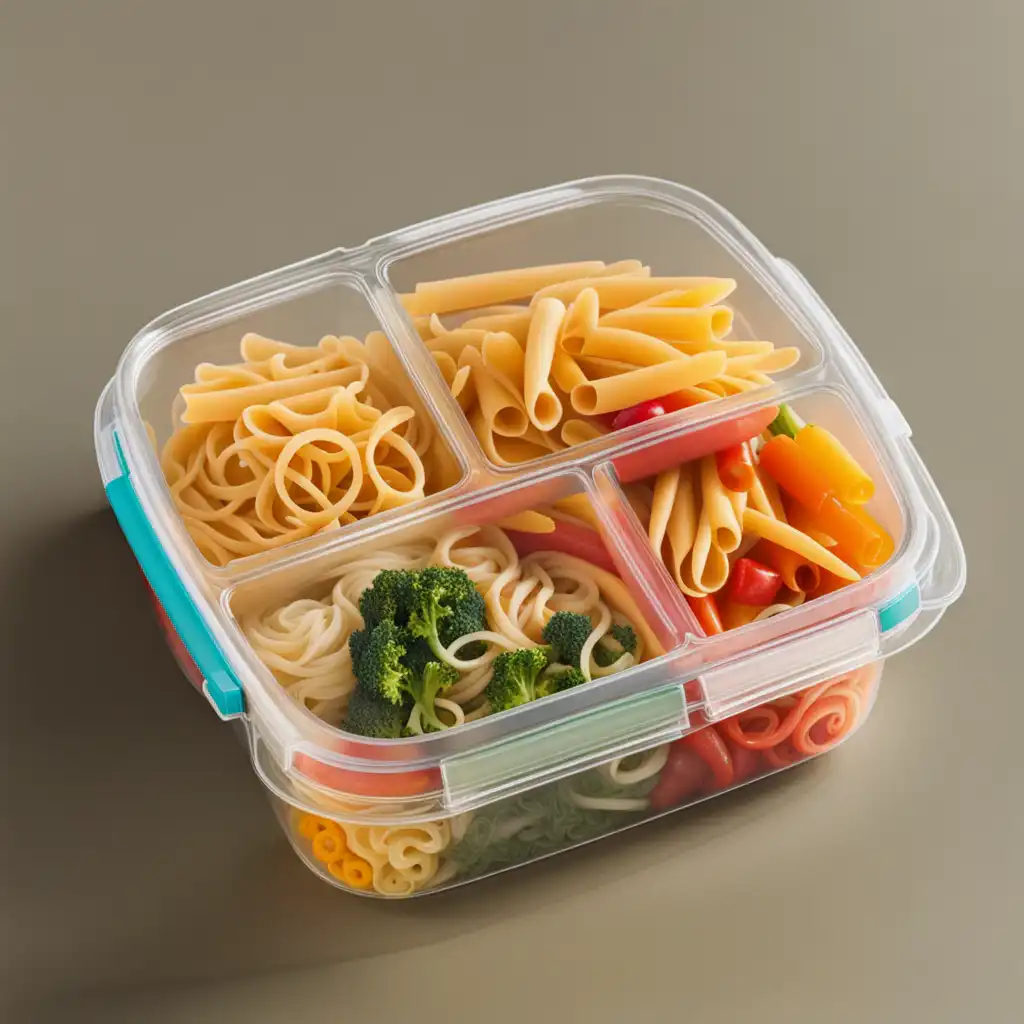
lidded
adjective lidded
ˈlɪdɪd
Having a lid or cover
She stored the leftovers in a lidded container.
lidded
ˈlɪdɪd
Chargement…
ˈlɪdɪd
Having a lid or cover
She stored the leftovers in a lidded container.
ˈlɪdɪd
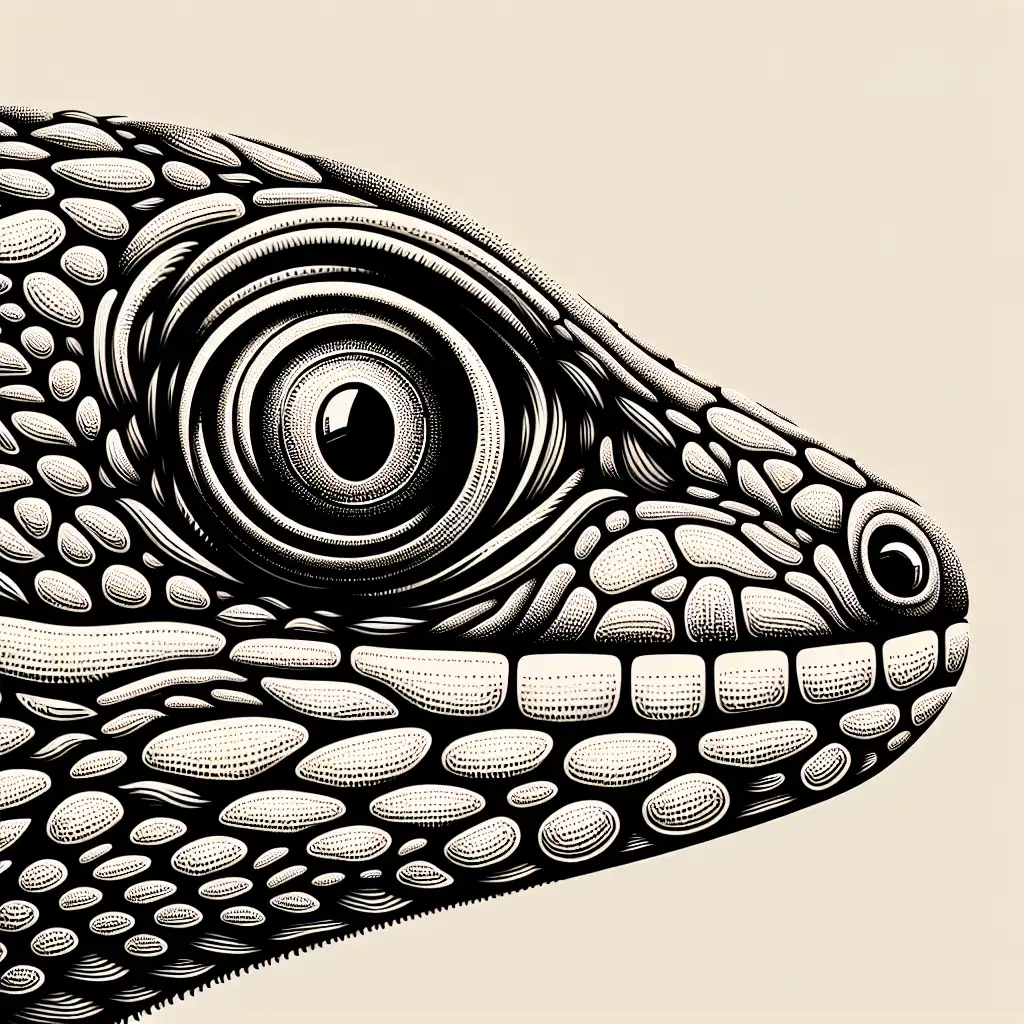
Having a specific type or number of eyelids, typically used to describe animals' eyes
The lizard is a one-lidded creature.

ˈlɪdɪd
Having eyes that look a specific way, usually used poetically or figuratively
He gave her a heavy-lidded stare.
ˈlɪdɪd
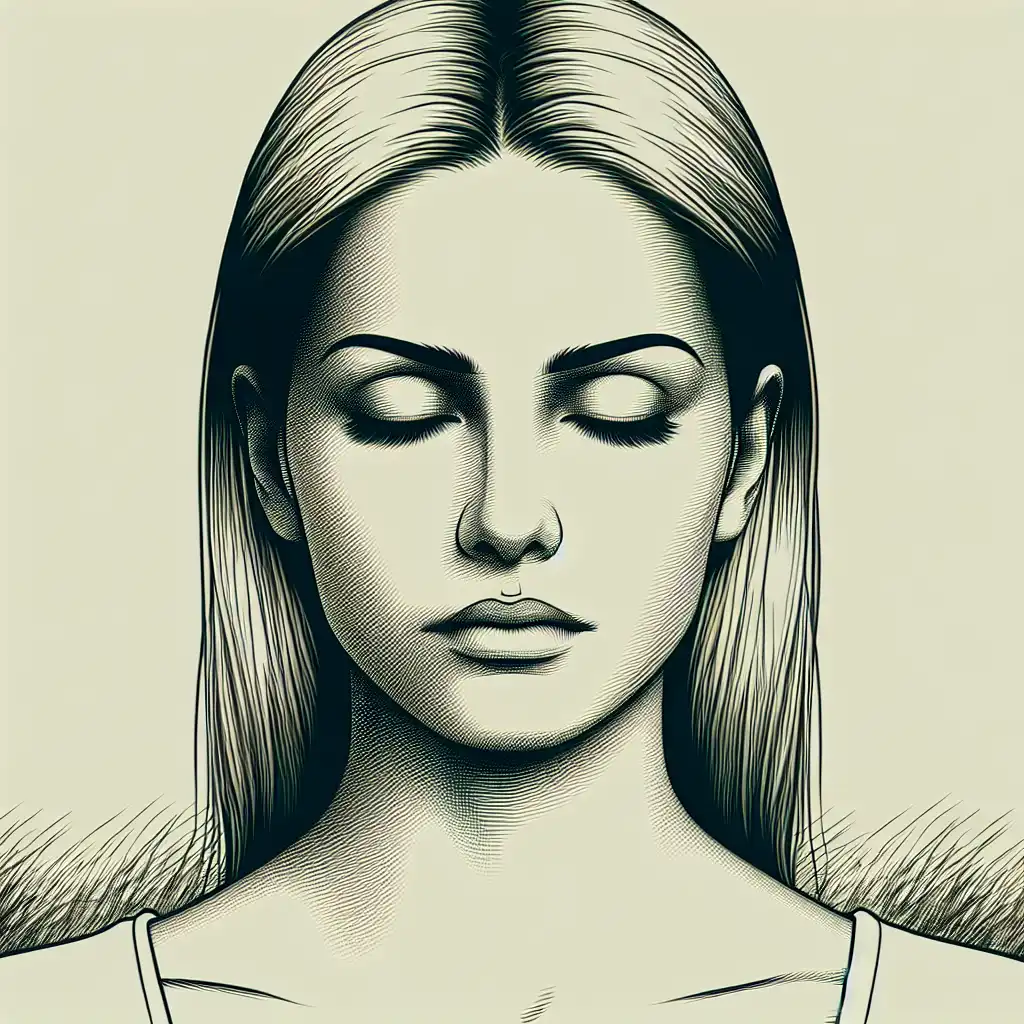
Having eyelids that are closed or almost closed, often to show that someone is tired or being secretive
Her lidded eyes gave nothing away of her thoughts.
Impossible de charger l’audio. Réessayez plus tard.
The word 'lidded' is used to describe something that has a lid or cover. For example, a jar can be described as lidded because it has a lid to cover the opening. Similarly, a pot can be lidded because it has a lid to cover the contents. The word 'lidded' is commonly used to describe containers or objects that have a lid or cover.
Close refers to something being shut or near proximity, while the word lidded means having a lid or covering.
Close can describe the action of shutting something, like closing a door or a window. Lidded can describe an object that has a lid, such as a pot or a box.
Close is applicable when talking about something that can be shut or in close proximity, while lidded is applicable when describing items that have a cover or cap.
Ouvrir le mot: Close →Cover refers to anything that can be used to go on top of something else, typically to protect it or keep it clean. Examples could be an umbrella covering someone from the rain, a book cover protecting the pages of a book, or a pan cover keeping food warm or preventing splatters on the stove.
Ouvrir le mot: Cover →Enclose means to surround or cover something completely, such as enclosing a letter in an envelope.
It can be used in reference to any type of surrounding or covering, whether it's a material item like an envelope or a stonewall that encloses a garden.
So, while enclose refers more generally to surrounding or covering something, lidded specifically means a container with a cover.
Ouvrir le mot: Enclose →Lidded refers to the presence of a lid or cover on a container, such as a pot with a lid or a box with a hinged lid. Seal, on the other hand, refers to the process of closing or fastening a container so that it is airtight or watertight, preventing any contents from leaking out or getting in.
In many cases, a lid may also provide a seal if it fits tightly enough on the container.
However, not all lidded containers are necessarily sealed, as some lids may not fit perfectly or may not be designed to create an airtight seal.
For example, a pot with a lid is lidded, but only becomes sealed when the lid is pressed down tightly enough to prevent any steam from escaping during cooking.
A screw-top jar or bottle, meanwhile, is both lidded and sealed, as the threads on the lid and container screw together tightly to create an airtight seal.
Ouvrir le mot: Seal →Lidded is used to convey that something has a lid or a cover, while the word shield refers to something that provides protection against harm or danger.
For example, a pan may be lidded to keep the food inside, while a shield is used in battle to protect an individual from harm.
Simply put, lidded describes something that has a cover, while shield describes something that provides protection.
Ouvrir le mot: Shield →Shroud refers to a cover that completely surrounds or envelops something.
This word is often used in the context of burial or funerary practices, where a shroud is a cloth that is used to wrap a body before burial.
Shroud can also describe anything that covers or conceals something completely, like a shroud of fog over a mountain or a shroud of secrecy over a government operation.
Lidded refers to something that has a lid, while shroud refers to a complete covering or envelopment of something.
Ouvrir le mot: Shroud →Lidded refers to something that has a lid or cover, while the word top refers to the upper part of something, which may or may not have a lid.
For example, a pot with a cover is lidded, while a table without a cover is just a top. Lidded often implies that something can be closed or sealed, while top does not necessarily have this connotation.
Lidded describes something with a lid or cover, while top describes the uppermost part of something, whether or not it has a lid.
Ouvrir le mot: Top →Veil, on the other hand, is a piece of cloth or similar material that is used to cover or hide something.
A veil is often used in weddings or other religious ceremonies to cover the bride's face or to symbolize modesty.
Lidded refers to something that has a lid, while veil refers to a piece of cloth or material used to cover or hide something.
Ouvrir le mot: Veil →I think that if you grind your spices and keep them in small batches, you can use them in endless ways. The key thing is to have a spice mill or a coffee grinder, and to keep your spices cold and in tightly lidded boxes.