
afflict
verb afflict
əˈflɪkt
To cause physical or mental suffering to someone
He was afflicted with a severe skin disease.
afflict
əˈflɪkt
Loading…
əˈflɪkt
To cause physical or mental suffering to someone
He was afflicted with a severe skin disease.
əˈflɪkt
To cause trouble or difficulty to someone or something
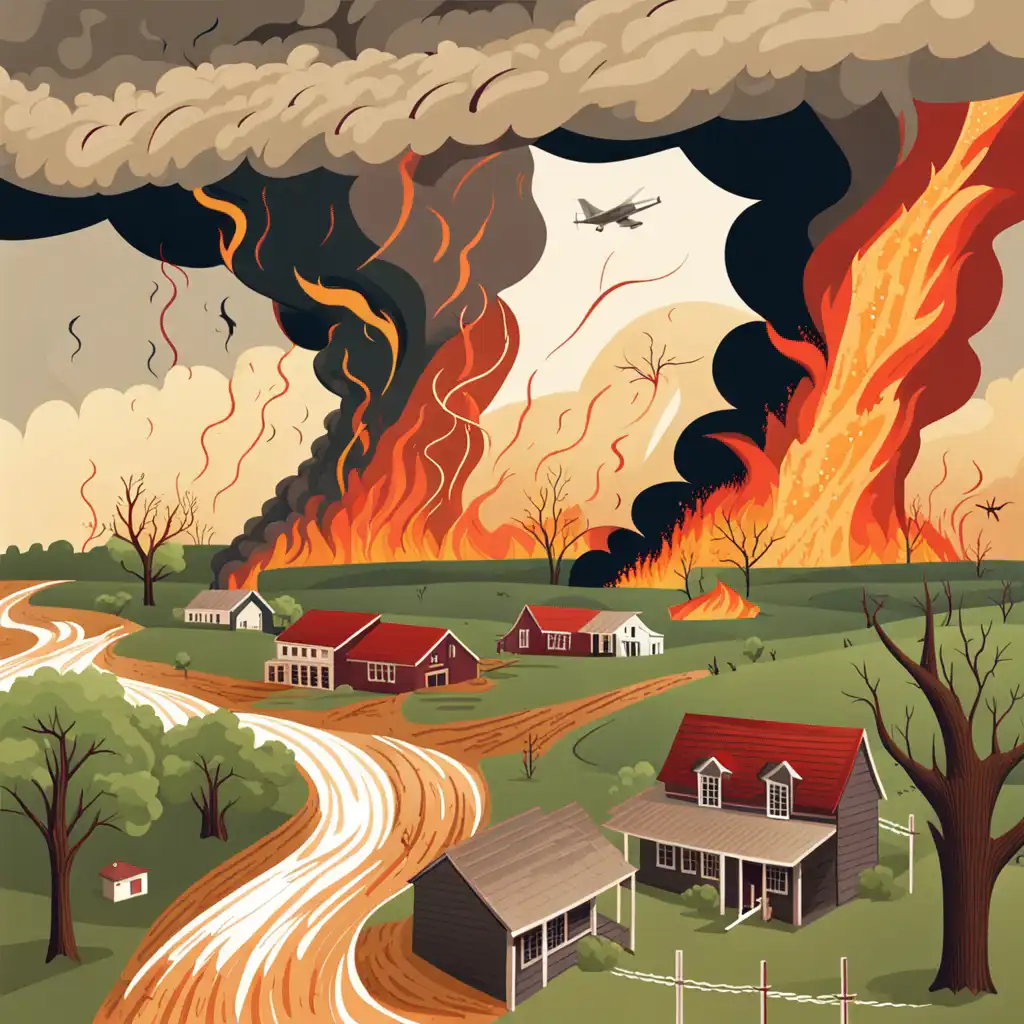
The country was afflicted by a series of natural disasters.

əˈflɪkt
To affect something in a negative way
The technical issues afflicted the whole performance.
Audio could not be loaded. Please try again later.
The word 'afflict' means to cause pain or suffering to someone or something. It is often used when talking about someone experiencing some sort of illness or hardship. For example, if someone is afflicted with a cold, it means they are suffering from a cold. The word can also be used to describe a situation or condition that is causing difficulty or distress. For instance, a country may be afflicted by poverty or war.
Anguish refers to severe emotional pain or suffering.
It is often associated with feelings of extreme sadness, despair, or hopelessness. For example, a person may feel immense anguish after the death of a loved one or due to a deep personal disappointment.
In summary, afflictment is associated with physical pain or suffering, while anguish is associated with emotional pain or suffering.
Open word: Anguish →Distress means to cause someone extreme emotional pain and suffering or extreme hardship.
Afflict is generally used for long-term suffering, while distress is used for short-term or immediate suffering.
Open word: Distress →Harass means to continually bother or torment someone, often in a persistent or aggressive manner. For example, a person can be harassed by a bully or an annoying coworker.
Afflict is used when something is causing physical or emotional pain or hardship, while harass is used when someone is intentionally bothering or tormenting someone else.
Open word: Harass →Afflict and plague are both verbs that mean to cause trouble or suffering, but the main difference is that afflict generally refers to a specific individual or group, while plague refers to a widespread epidemic or disease affecting many people.
For example, if someone is struggling with a chronic illness, we might say that they are "afflicted" by that illness. On the other hand, when we talk about the Black Death that swept across Europe in the Middle Ages, we would say that it "plagued" the entire continent.
Afflict tends to refer to individual suffering, while plague implies a more widespread, community-wide problem.
Open word: Plague →Afflict means to cause pain or suffering, whereas suffer means to experience pain or hardship.
Afflict is usually used in the context of something external causing suffering or pain to someone, for example: "The earthquake afflicted the town, causing widespread damage and hardship."
Suffer describes the experience of pain or hardship itself, for example: "I suffered a broken leg during the soccer game."
Both words can be used interchangeably to some extent, but afflict is often associated with a cause or agent of suffering, while suffer is more focused on the individual's experience of pain or hardship.
Open word: Suffer →However, afflict typically refers to physical or emotional pain or illness, while torment suggests a more severe and prolonged experience of suffering, such as mental anguish or torture.
Afflict could be applicable to something like a headache or a long-term illness, while torment would be more appropriate for describing a situation of extreme emotional distress, such as being bullied or experiencing trauma.
Open word: Torment →Trouble implies more of a temporary difficulty or inconvenience.
Whereas if someone has a flat tire on their way to work, they might say they are having trouble with their car.
Open word: Trouble →Worry means to feel anxious or concerned about something, often related to the future or uncertainty.
Afflict is used when talking about physical or emotional suffering, while worry is used when talking about being anxious or concerned about something.
Open word: Worry →What causes seizures,...
Watch on YouTube ↗Men are apt to prefer a prosperous error to an afflicted truth.
The new political story...
Watch on YouTube ↗Anxiety has afflicted me all my life.
Attack of the Killer...
Watch on YouTube ↗The desire for self-expression afflicts people when they feel there is something of themselves which is not getting through to the outside world.
Jason Silva's Origin...
Watch on YouTube ↗In a sense, 'Out of Oz' is an examination of how individuals keep going, keep reinventing themselves and their lives, even after life-altering complications have afflicted them.
Breaking boundaries,...
Watch on YouTube ↗Depression is a devastating illness, causing great suffering in the afflicted and anxiety to their nearest and dearest: it can hit at any age.
There's no shame in...
Watch on YouTube ↗Whatever flaws or personal failings afflict them, it remains the case that the overwhelming majority of priests and politicians are honourable and honest - seeking to live out their beliefs and serve society.
Maryn McKenna: What do...
Watch on YouTube ↗The truest help we can render an afflicted man is not to take his burden from him, but to call out his best energy, that he may be able to bear the burden.
Mark Plotkin: What the...
Watch on YouTube ↗God afflicts with the mind of a father, and kills for no other purpose but that he may raise again.
What I learned when I...
Watch on YouTube ↗When you see people your own age afflicted and experiencing life-threatening illnesses, I think it prompts you to apply to yourself the philosophy, 'I want to do the best I know how to do every day.
Nathan Wolfe: What's...
Watch on YouTube ↗When we're dealing with the people in our family - no matter how annoying or gross they may be, no matter how self-inflicted their suffering may appear, no matter how afflicted they are with ignorance, prejudice or nose hairs - we give from the deepest parts of ourselves.