
warehousing
noun warehousing
ˈwerhaʊzɪŋ
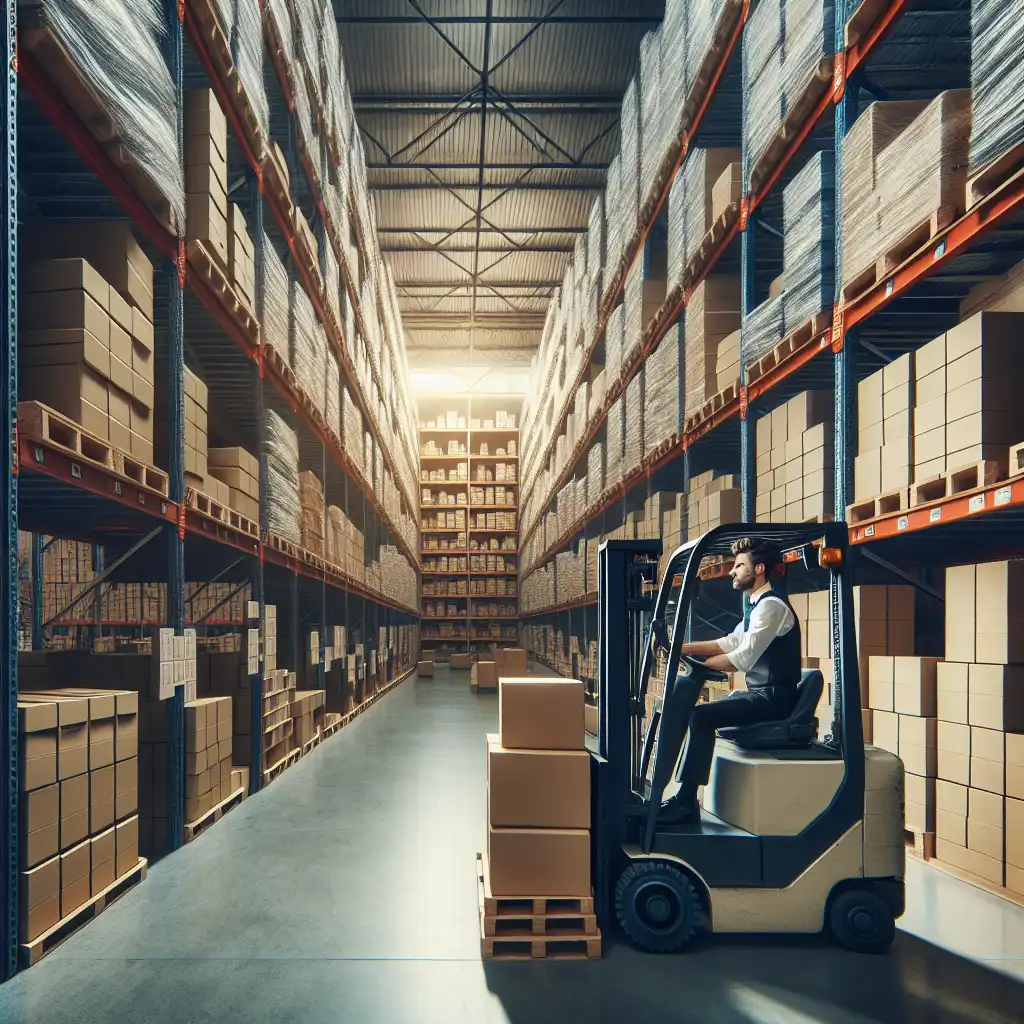
The action of storing goods that are going to be sold
The company offers warehousing services to help businesses store their products.
warehousing
ˈwerhaʊzɪŋ
Đang tải…
ˈwerhaʊzɪŋ
The action of storing goods that are going to be sold
The company offers warehousing services to help businesses store their products.
ˈwerhaʊzɪŋ
To store something in a warehouse
We warehousing our excess inventory until the demand increases.

ˈwerhaʊzɪŋ
The practice of keeping people in prison for long periods of time
He criticized the warehousing of minor offenders in overcrowded prisons.
Không tải được âm thanh. Vui lòng thử lại sau.
Warehousing refers to the act of storing goods or products in a large building. It is often used by companies or businesses to keep their products safe and organized until they are sold or distributed. For example, a clothing company may use a warehouse to store their items after they have been manufactured, and then send them to stores to be sold. Similarly, a retailer may use a warehouse to store excess inventory or goods before they are sold to customers. Overall, warehousing is an important part of logistics and supply chain management.
Distribution refers to the process of delivering goods from a manufacturer or supplier to the end consumer. This involves activities such as transportation, packaging, and inventory management to ensure the goods reach their destination in a timely and efficient manner.
Warehousing refers to the storage of goods in a facility before they are distributed. Warehouses provide a secure and organized space for goods to be stored until they are needed for distribution.
Distribution involves getting products to their final destination, while warehousing involves storing them beforehand.
Mở từ: Distribution →Logistics refers to the planning, organization, and management of the movement of goods or services from one place to another.
While logistics encompasses the entire supply chain process, from sourcing raw materials to delivering finished products to customers, warehousing is just one aspect of logistics.
Warehousing is applicable when a company has excess inventory or needs to store products for a longer period of time, while logistics is applicable when a company needs to move products from one location to another quickly and efficiently.
Mở từ: Logistic →Stock refers to the items that a business holds in inventory to sell or use for its operations. Warehousing refers to the process of storing and managing stock in a warehouse or distribution center.
In simpler terms, stock is the actual product that a company has on hand to sell or use, while warehousing is the process of storing and managing that stock.
Companies need to have a place to store their stock, and warehousing provides a central location for inventory management, shipping and receiving, and other related tasks.
Mở từ: Stock →Storage is the act of keeping something in a safe place, for future use. Warehousing is a place where goods are stored for a specific period of time, normally at a cost.
For example, imagine you have a lot of old clothes that you don't wear but don't want to throw away. You might store them in a storage box under your bed, or in a closet.
This is storage.
Storage is for things you want to keep safe for personal use, while warehousing is for businesses to keep goods safe until they are sold.
Mở từ: Storage →