embryo
noun embryo
ˈembriəʊ
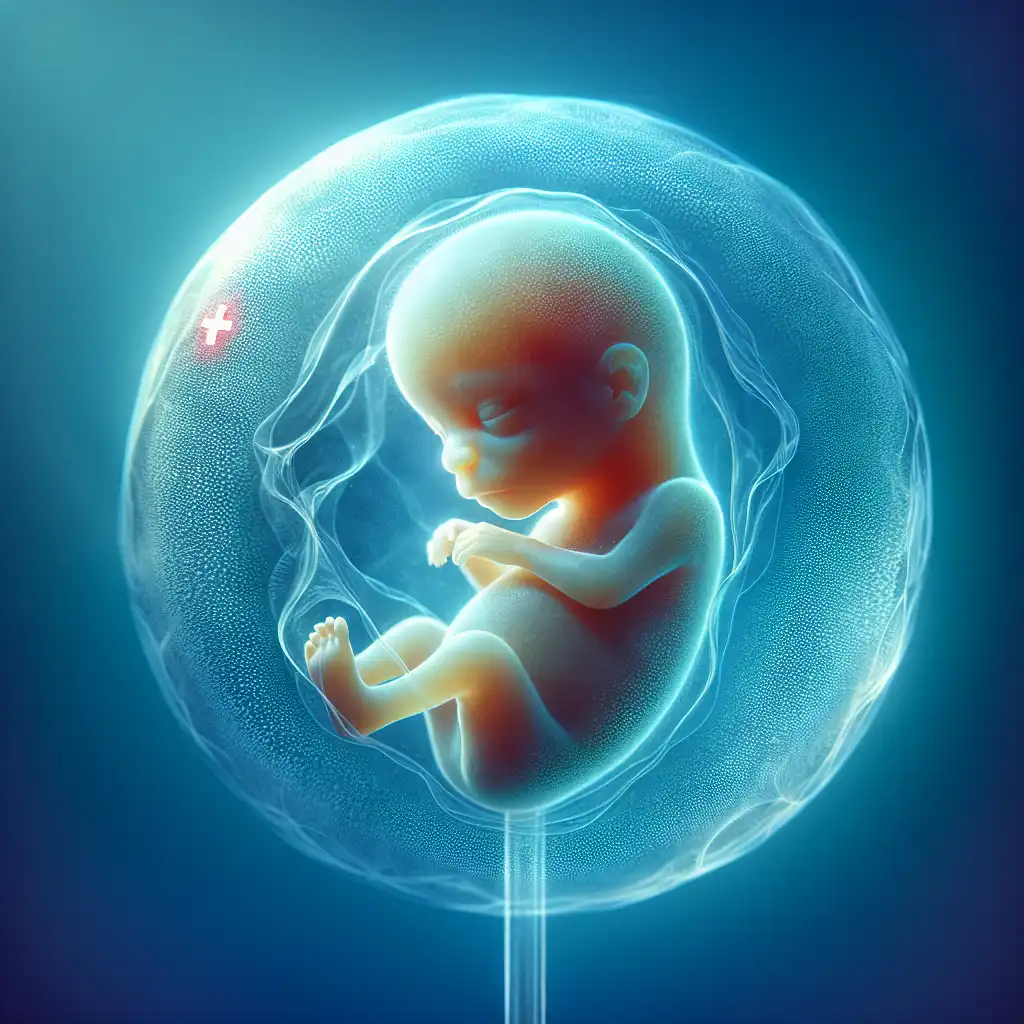
An unborn or unhatched offspring in the process of development, especially an unborn human in the first 8 weeks from conception.
The drug is harmful for the developing embryo.
embryo
ˈembriəʊ
読み込み中…
ˈembriəʊ
An unborn or unhatched offspring in the process of development, especially an unborn human in the first 8 weeks from conception.
The drug is harmful for the developing embryo.
ˈembriəʊ
A rudimentary version of something, a early or preliminary version of it.
This idea is still in an embryo stage.
ˈembriəʊ
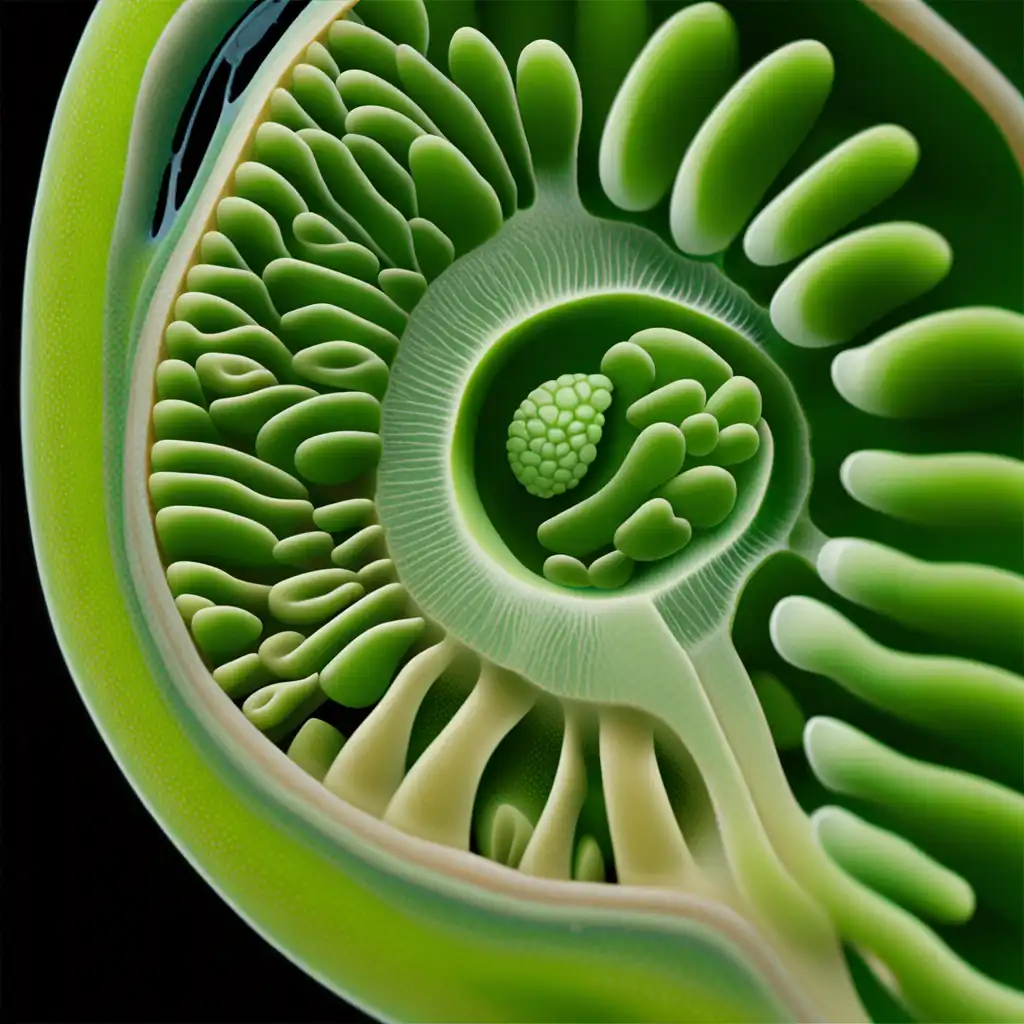
The part of a seed that develops into a plant.
An embryo plays a critical role in the growth of a new plant.
音声を読み込めませんでした。しばらくしてからもう一度お試しください。
An embryo is a very early stage of development for a human or animal before it is born. It is the time when the organism is still developing inside its mother's womb. The word 'embryo' can also be used in a more general sense to refer to the beginning stages of something, such as a new idea, project or business. For example, "The company was just an embryo when it first started, but it grew into a successful business over time."
Beginning typically refers to the start of something, such as the beginning of a story, a journey, or a project.
It can also refer to the start of an event or a period of time, such as the beginning of a new year. Embryo typically refers to the earliest stages of development of a living organism, such as a human fetus or a chicken egg.
It can also refer more broadly to a starting point or the initial stages of a process or idea. So, while beginning refers to the start of something in general, embryo specifically refers to the start of a living organism's development.
単語を開く: Beginning →Bud refers to a small swelling or growth on a plant that has the potential to grow into a new branch or flower. It is applicable when describing the early stages of plant growth.
In simple terms, buds apply to plants, while embryos apply to animals (including humans).
単語を開く: Bud →Embryo and fetus are both terms used to describe the developing baby in the womb.
Fetus describes the developing baby from the ninth week of pregnancy until birth. By this time, major organs and body structures have formed, and the fetus continues to develop and grow larger.
In simpler terms, an embryo is what we refer to before the baby has formed major organs, and a fetus is what we refer to after the baby has formed major organs.
単語を開く: Fetus →Germ refers to a small part of an organism that has the ability to develop into a new organism. It is the reproductive cell, such as a sperm or egg, or a spore, that has the potential to grow into a complete organism.
An embryo is a developing organism that already contains multiple cells and has started to take shape, while a germ is a single cell or spore with the potential to grow into a complete organism.
Embryo is typically used in the context of pregnancy and development, while germ is used in biology to refer to reproductive cells or spores.
単語を開く: Germ →Inception refers to the beginning or the start of something. This term is used more broadly, in a variety of contexts, both literal and figurative.
Inception can refer to the start of a project, idea, or movement, or in a more abstract sense, the beginning of a relationship or emotion.
So, in short, embryo refers specifically to early development in a biological context, while inception describes the start of most things, either concrete or abstract.
単語を開く: Inception →Incipient refers to the beginning or initial stage of something, it could be a process, a business, a relationship or even a disease.
So, while both words refer to the early stages of something, embryo is mainly used in biology to describe the early development of a living organism, while incipient can be used more broadly to describe the early stages of anything.
単語を開く: Incipient →Embryo refers to the earliest stage of development of a living being, specifically of a human or animal in the womb. Infancy refers to the very early phase of a human being's life after they are born.
Hence, embryo applies to the period during pregnancy while infancy applies to the period just after birth. In simpler terms, embryo is used to refer to an unborn baby and infancy is used to refer to a newborn baby.
単語を開く: Infancy →Seed refers to the reproductive structure produced by plants as a means of reproduction.
A seed contains an embryo plant that is capable of growing into a new plant, along with a supply of nutrients for the new plant to use until it is capable of carrying out photosynthesis.
Seeds are used by plants to spread and grow in new areas, and can be dispersed by wind, water, animals or other means.
In summary, while both terms refer to developing organisms, embryo specifically refers to the early stages of growth in animals while seed refers to the reproductive structure produced by plants.
単語を開く: Seed →the womb gets rid of its endometrial lining, along with any unfertilized eggs sick dying or dead embryos. That protective process is known as menstruation, leading to the period. This biological trait bizarre as it may be,
YouTube で見る ↗For my part, I have worked all my life with eggs and embryos of frogs. Compared to other small animals, these have figured prominently in the world of literature.
The dinosaur embryos are so well preserved we can see they already have their teeth, in preparation for a lifetime of eating.
YouTube で見る ↗Is life worth living? This is a question for an embryo not for a man.
from infected human cells. The opportunity to do this kind of genome editing also raises various ethical issues that we have to consider, because this technology can be employed not only in adult cells, but also in the embryos of organisms, including our own species.
YouTube で見る ↗Patients' lives are more important than embryos. I do want to avoid the use of embryos if possible.
Sharks may lay eggs or bear live young. Egg laying sharks only lay a few large eggs. They may come in various forms, such as sacks called mermaid purses or corkscrews. These eggs act as external wombs in which shark embryos complete their development.
YouTube で見る ↗We have a lot to gain through furthering stem cell research, but medical breakthroughs should be fundamentally about saving, not destroying, human life. Therefore, I support stem cell research that does not destroy the embryo.
we do this we could use pre-implantation genetic diagnosis this is something used in fertility clinics to scream for embryos with genetic diseases we could use it to screen for children who will
YouTube で見る ↗It's important to us to see the development and growth. At the end of the day, it's our baby. Genetically it's ours. It's our embryo. We feel very connected.
the dinosaur embryos are so well preserved we can see they already have their teeth in preparation for a lifetime of eating
YouTube で見る ↗Every person is a God in embryo. Its only desire is to be born.
Its placenta a solid disk of blood-rich tissue, attaches to the wall of the uterus to support the developing embryo. The placenta is what keeps the calf alive during pregnancy. Directly connected to the mother's blood supply, it funnels nutrients and oxygen straight into the calf's body
YouTube で見る ↗Embryo is one of my favorite groups ever.
Epigenetic changes can survive cell division, which means they could affect an organism for its entire life. Sometimes that's a good thing. Epigenetic changes are part of normal development. The cells in an embryo start with one master genome.
YouTube で見る ↗Is it more ethical to edit embryos or to screen a lot of embryos and throw them away? I don't know the answer.
egg be fertilized remarkably it takes more than one sperm to start a new life the extra sperm probably releases substances that start the embryos development
YouTube で見る ↗We can continue to make significant strides in the scientific community by exploring new stem cell research methods that do not include destroying human embryos.
the loss of this water creates a space at the blunt end of the egg as the embryo develops so the air space increases and the oxygen it contains will help to
YouTube で見る ↗From the beginning, each human embryo has its own unique genetic identity.