
skullcap
noun skullcap
ˈskʌlkæp
A small hat that fits very closely to the skull.
In the winter, he wears a woolen skullcap to keep his head warm.
skullcap
ˈskʌlkæp
불러오는 중…
ˈskʌlkæp
A small hat that fits very closely to the skull.
In the winter, he wears a woolen skullcap to keep his head warm.

ˈskʌlkæp
A type of herb with small flowers, used in traditional medicine.
Skullcap is a plant that is used in herbal remedies to help with anxiety and tension.
ˈskʌlkæp
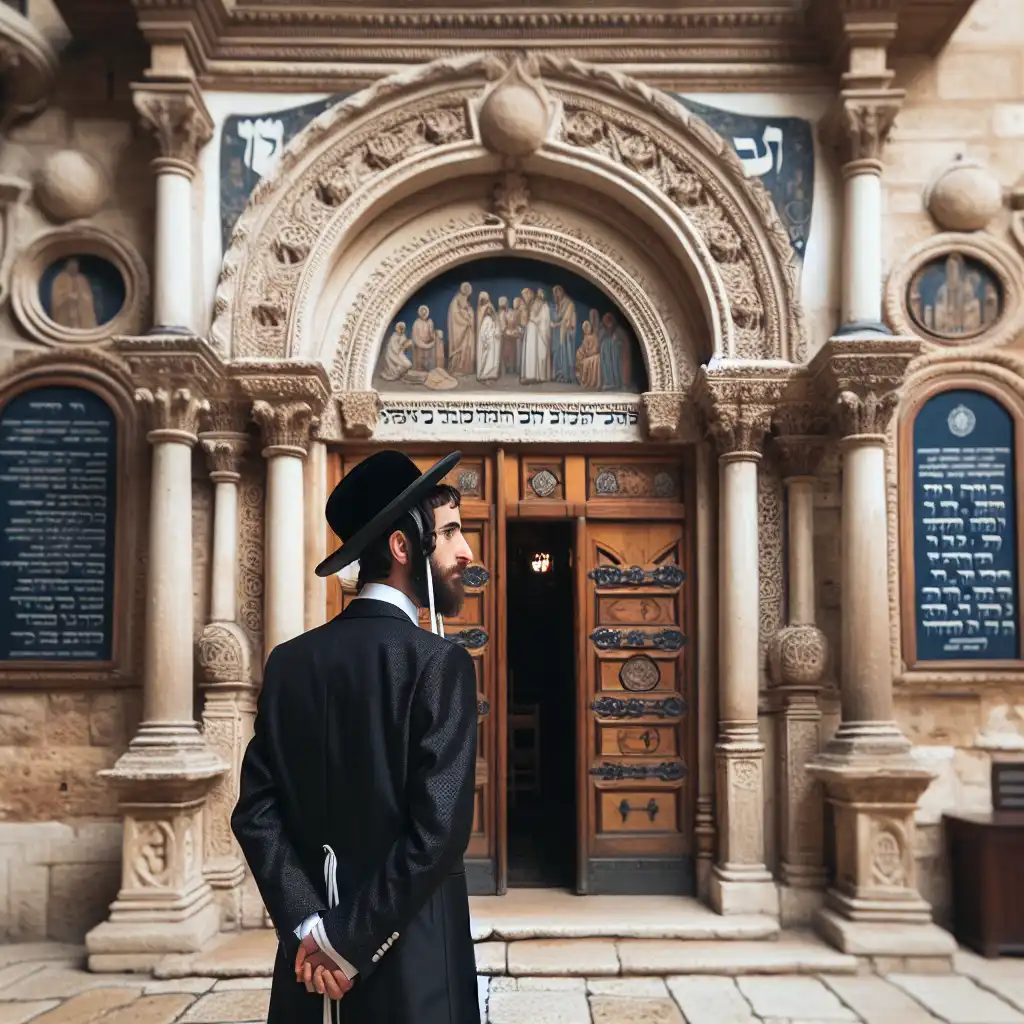
A religious cap worn by Jewish men.
He donned his skullcap before heading into the synagogue for prayer.
오디오를 불러오지 못했어요. 잠시 후 다시 시도해 주세요.
Skullcap is a kind of hat that fits closely on your head and has a small brim. It is often made of light and comfortable fabric such as cotton, and is commonly worn for sports or outdoor activities to protect the head against the sun or wind. When talking about the scientific context, skullcap can also refer to a type of herb used in herbal medicine to relieve anxiety and promote relaxation.
A beanie is a type of hat that fits closely to the head and often has a pom-pom on top.
A beanie can be worn by anyone, regardless of gender or age.
A beanie is a warm, casual hat that can be worn by anyone, while a skullcap is a more specific hat worn for cultural or religious reasons.
단어 열기: Beanie →A beret is a round, flat hat that typically sits on top of the head and often has a slightly raised center.
A beret is a flat woolen hat associated with military or artistic wear, while a skullcap is a knitted or crocheted hat associated with religious or cultural practices.
단어 열기: Beret →A bonnet and a skullcap are two different types of headwear.
A bonnet is a type of hat that covers the head, ears, and sometimes the neck.
Bonnets can be made from various fabrics and can be used for everyday wear or for formal occasions.
A bonnet is a hat that covers the head, ears, and sometimes the neck, and is worn by women and children.
단어 열기: Bonnet →Cap generally refers to any type of hat that covers the head, while skullcap specifically refers to a tight-fitting, brimless cap that covers only the top of the head.
Skullcaps are often worn for religious or cultural reasons, while caps can be worn for fashion or practical purposes.
Caps can range from baseball caps to winter hats, and can be made of various materials, whereas skullcaps are typically made of lightweight materials such as cotton or wool.
단어 열기: Cap →A hat is a covering for the head, usually with a brim or a visor, and it is often made of materials like cloth, wool, or straw.
A skullcap is a snug-fitting cap that covers only the top of the head, often made of knit cloth or fabric.
Hats are generally worn as a fashion accessory or to protect against the sun, cold, or rain, and can be worn for both casual and formal occasions.
A hat is a broader term for any headgear that covers the head while a skullcap is a specific type of headgear that fits tightly on the head.
Hats can be worn for a variety of purposes and occasions, while skullcaps are primarily used for warmth and casual wear.
단어 열기: Hat →Headgear refers to any kind of accessory or clothing item worn on the head, such as hats, helmets, or headbands. Skullcap specifically refers to a tight-fitting cap that covers the top of the head and is often worn for religious, cultural, or medical reasons.
It is often made of knit fabric or leather with no brim or visor. So, while all skullcaps are a type of headgear, not all headgear is a skullcap.
Headgear can be used for fashion or practical purposes, whereas a skullcap is typically associated with religious or cultural significance.
단어 열기: Headgear →A toque is a tall, close-fitting hat that often has a narrow brim.
It is typically made of thicker materials like wool or felt, and is worn for warmth but also for fashion. Toques are often associated with chefs, who wear them as part of their uniform, but they can also be worn as a winter hat.
A skullcap is a tight-fitting cap for warmth and comfort, while a toque is a taller hat for warmth and fashion.
단어 열기: Toque →Bassam Tariq: The beauty...
YouTube에서 보기 ↗Jewish skullcaps are obviously not a problem in our country.
I continue to dream of a day when my skullcap will not stick out so much.
The hijab, or sikh turban, or Jewish skullcap are all explicit symbols, but they do not represent a threat or affront to others, and have no bearing on the competence, skills and intelligence of a person.