
caries
noun caries
ˈkeriːz
A disease that causes tooth decay.
Regular brushing and flossing can prevent caries.
caries
ˈkeriːz
Cargando…
ˈkeriːz
A disease that causes tooth decay.
Regular brushing and flossing can prevent caries.
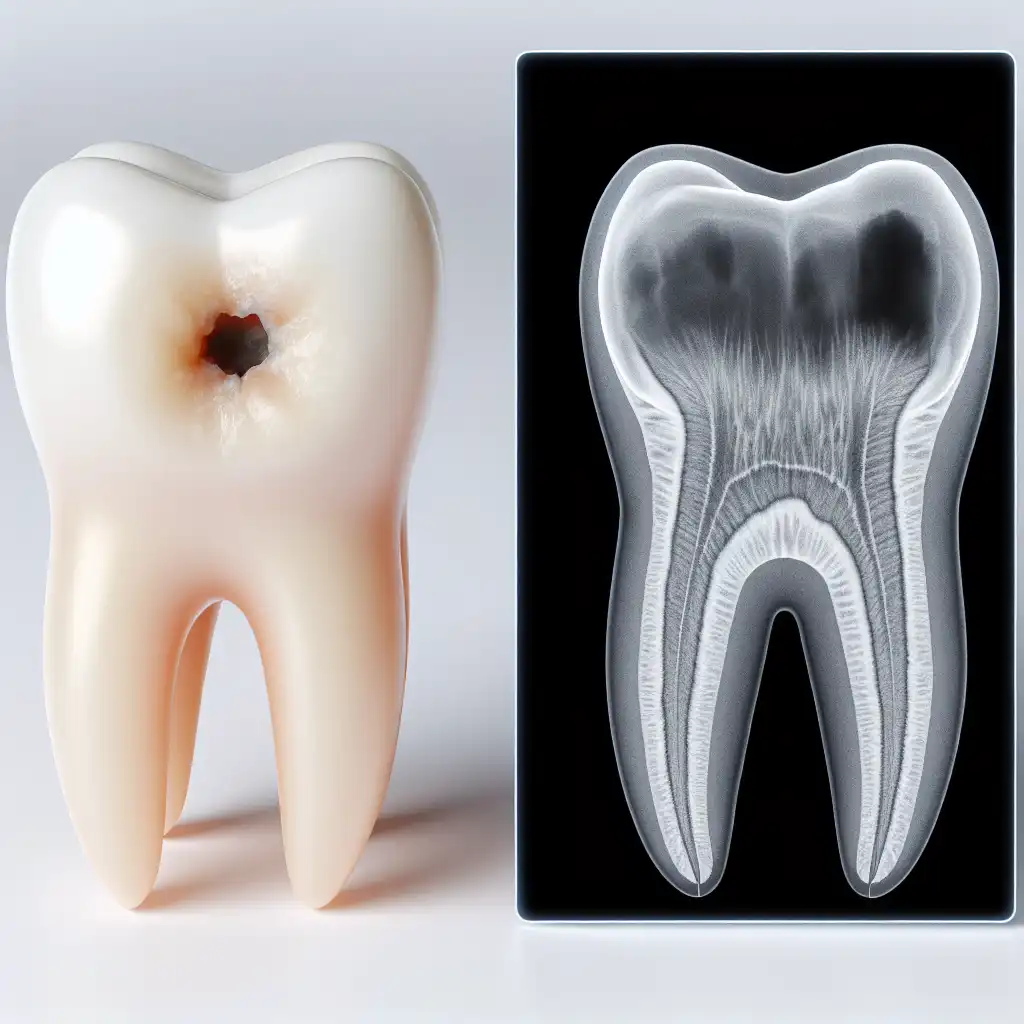
ˈkeriːz
An area of a tooth that has decayed.
The x-ray showed a large caries in one of her molars.
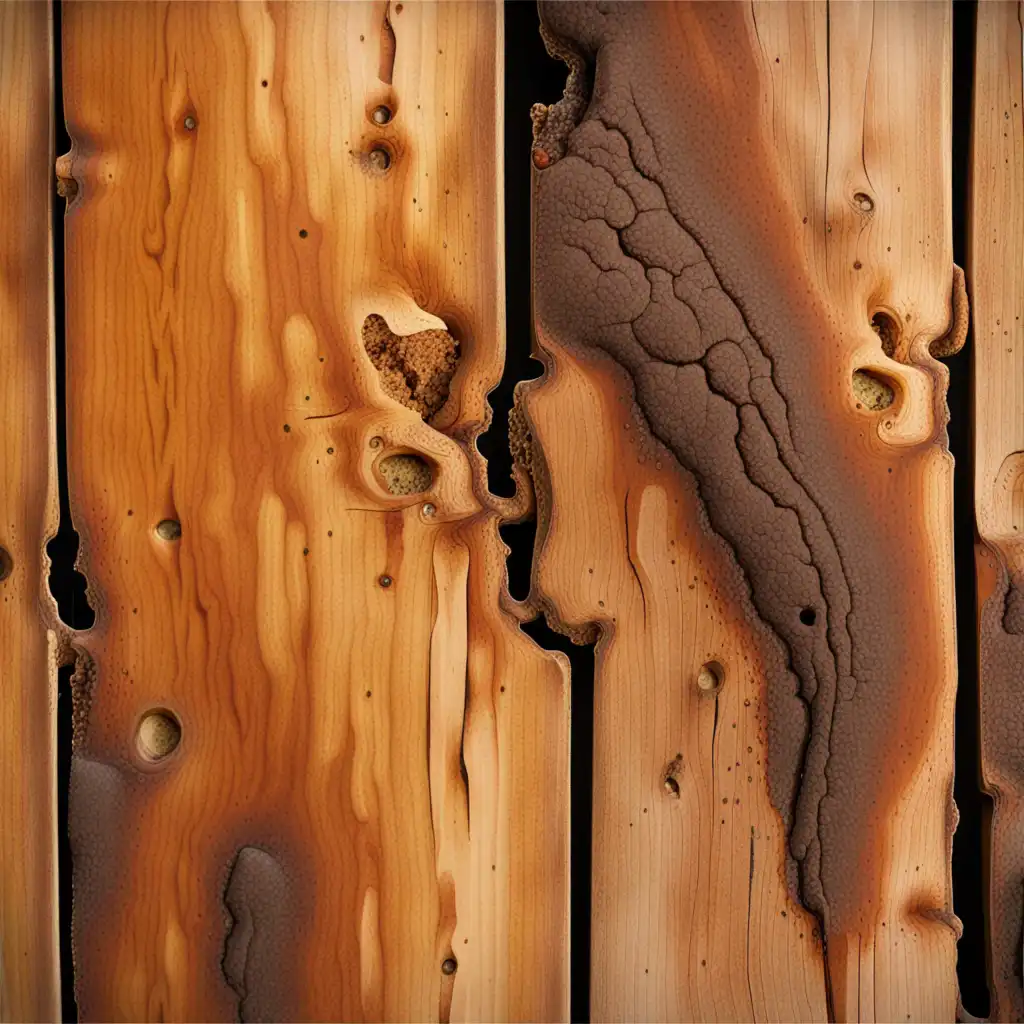
ˈkeriːz
The process of decaying.
Without proper care, wood can suffer from caries.
No se pudo cargar el audio. Inténtalo de nuevo más tarde.
The word 'caries' is used to describe a dental condition where there is decay or a cavity in the tooth. It is commonly known as a "cavity" and can be caused by poor dental hygiene or eating sugary foods. Dentists use this word to talk about treatment options and prevention strategies for cavities. It is important to take care of your teeth to avoid developing caries.
Caries refer to the process of tooth decay, while cavity refers to the actual hole or opening that forms on the tooth as a result of this decay.
A cavity is the physical manifestation of caries, and refers to a hole or opening that forms in the tooth as a result of the decay process.
Cavities are often visible as dark spots or areas on the surface of the tooth, and can cause sensitivity, pain, and other dental problems if left untreated.
Caries refers to the process of tooth decay, while cavity refers to the physical hole that results from this decay. Dental professionals use these terms to diagnose and treat dental problems, and it is important to practice good oral hygiene to prevent both caries and cavities.
Abrir palabra: Cavity →Fluorine has a protecting action against caries, but this is a local effect. If you drink it, you are running the risk of all kinds of toxic actions.
Scepticism, that dry caries of the intelligence.