naturalist
noun naturalist
ˈnætʃrəlɪst
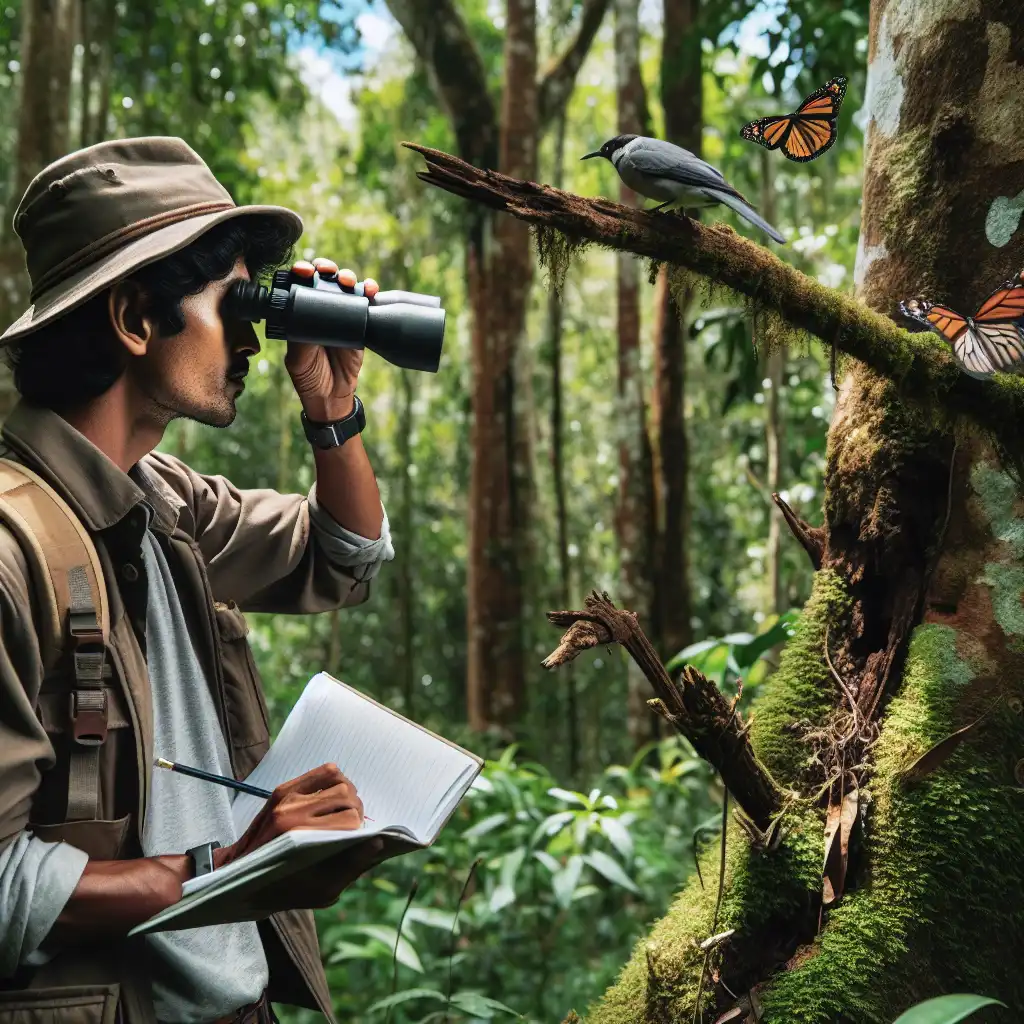
A person who studies plants and animals by observing them
He is a keen naturalist and spends most of his free time in nature.
naturalist
ˈnætʃrəlɪst
Đang tải…
ˈnætʃrəlɪst
A person who studies plants and animals by observing them
He is a keen naturalist and spends most of his free time in nature.
ˈnætʃrəlɪst
A person who believes that only natural laws and forces operate in the world
He is a naturalist and does not believe in the supernatural.
ˈnætʃrəlɪst
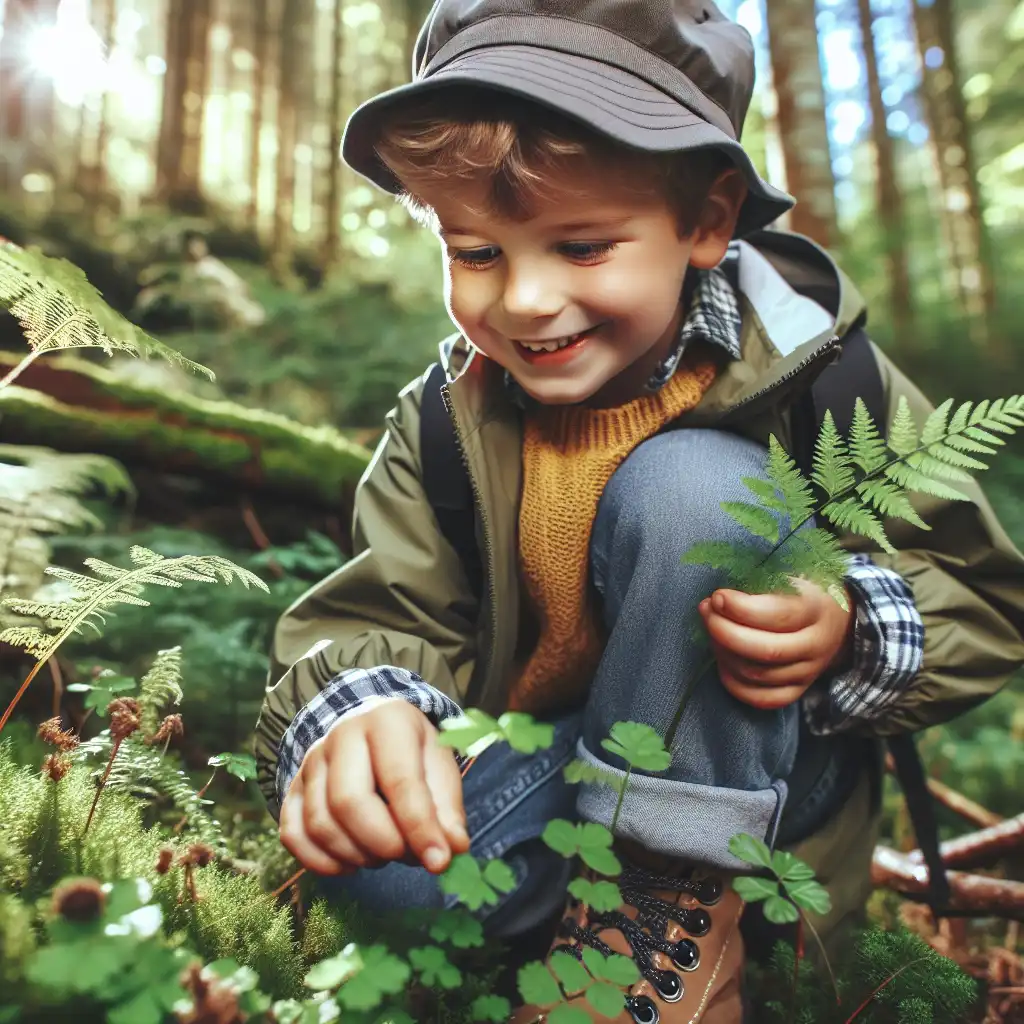
A person who enjoys and understands the natural world, especially by observing and identifying wildlife
As a child, he was a passionate naturalist, always exploring the woods near his home.
Không tải được âm thanh. Vui lòng thử lại sau.
A naturalist is a person who studies nature and the environment. They observe plants, animals, and their habitats to better understand how they function and interact with one another. Naturalists can be scientists, researchers, educators, or just individuals who have a passion for nature. The word naturalist can be used in various contexts, such as in a scientific setting or in the context of outdoor activities like hiking or camping. If you have an interest in nature and enjoy spending time outdoors exploring the world around you, you might consider calling yourself a naturalist.
A biologist is a scientist who studies living organisms and their relationships to each other and the environment. They use scientific methods and experiments to understand the biology of different beings, from bacteria to animals and humans, and can specialize in fields such as genetics, ecology, or anatomy.
A biologist is a trained scientist who conducts research and experiments to advance our understanding of life, while a naturalist is someone who has a passion for nature and enjoys exploring and learning about it.
Mở từ: Biologist →Botanist refers to a person who studies plants and their environment, while naturalist refers to a person who studies all aspects of nature, including plants, animals, and their environment.
A botanist focuses specifically on the scientific understanding of plants, while a naturalist has a broader understanding of the natural world.
Both terms are applicable in scientific research and environmental studies, but a botanist would be more specialized in the study of plants, while a naturalist would have a more general knowledge of various aspects of nature.
Mở từ: Botanist →Conservation refers to the act of protecting, preserving and managing natural resources like forests, wildlife, and water bodies to maintain a balance between ecosystem and human development.
Conservationists work towards protecting habitats and maintaining the quality of natural resources for future generations.
Conservationists are usually policy makers, managers, or researchers who draw up plans for protecting natural resources.
In short, conservationists focus on protecting natural resources, whereas naturalists are passionate about studying and sharing knowledge about nature.
Mở từ: Conservation →An ecologist is someone who studies the relationships between different living things and their environment, and how they interact with one another.
Ecologists are interested in things like how climate change affects ecosystems, and how human actions impact the natural world.
While there is some overlap between these two professions, they focus on different aspects of the natural world. Ecologists tend to focus more on the science of nature, looking at patterns and relationships in ecosystems, while naturalists focus more on observing and appreciating the natural world around them.
Mở từ: Ecologist →A naturalist is someone who studies and observes nature in general, while a zoologist is someone who specializes in studying animals.
For example, a naturalist may study different types of plants, insects, and animals in a given ecosystem, while a zoologist may focus specifically on studying the behavior, anatomy, and evolution of a particular species of animal.
Mở từ: Zoologist →But with the incredibly broad history of tattoos giving you so many options, what are you going to get? This is a bold-lined expression of who you are, or you want to appear to be. As the naturalist aboard Cook's ship said of the tataoed Tahitians,
Xem trên YouTube ↗I don't bill myself as an atheist but as a naturalist. Naturalism is a belief system. A lot of scientists bristle at that. We all have to believe we can find the truth. Evidence is my guide. I rely on observation, experimentation and verification.
he was an extraordinary person living there and down in camp and yet communicating with naturalist all over the world but by post which took weeks
Xem trên YouTube ↗But naturalists are now beginning to look beyond this, and to see that there must be some other principle regulating the infinitely varied forms of animal life.
during those precious few moments exactly yeah so so there's there's a lot of things and there's actually a cool app out there called life responds it's through an AI naturalist expire the
Xem trên YouTube ↗The former conviction that these two kingdoms were wholly different in structure, in function, and in kind of life, was not seriously disturbed by the difficulties which the naturalist encountered when he undertook to define them.
and from listening to the accounts or explorers and naturalists, he knew that skin color was one of the most important ways in which people varied. And he was somewhat interested in the pattern of skin color.
Xem trên YouTube ↗According to the scientific naturalist version of cosmic history, nature is a permanently closed system of material effects that can never be influenced by something from outside - like God, for example.
only been five years but we're more than just a bunch of web pages we're actually a powerful platform for social engagement with the living world a thousand scientists and naturalist have volunteered to help us with quality
Xem trên YouTube ↗What the British seem to like are television historians and naturalists, not public intellectuals. You can't help feeling that's because one supplies narrative and the other supplies facts, and the British are traditionally empiricists so they/we have a resistance to theory and to theoreticians playing too prominent a role in public life.
and every year they make new discoveries and insights into the Earth's past present and future. Museum collections even help us understand how modern threats, such as global climate change, are impacting our world. For instance naturalists have been collecting samples
Xem trên YouTube ↗One thing I did was grow up as an ardent naturalist. I never grew out of my bug period.
the budding naturalist tore some old bark off a tree and found two rare beetles underneath. He’d just taken one beetle in each hand when he spotted a third beetle. Stashing one of the insects in his mouth for safekeeping, he reached for the new specimen –
Xem trên YouTube ↗I never wanted to be a scientist per se. I wanted to be a naturalist.
these works give us insight into the evolving minds of our prehistoric ancestors and the world in which they lived. By one view cave artists were prehistoric naturalists. Their detailed drawings may teach us about the appearance and behavior of animals that have long been extinct.
Xem trên YouTube ↗To be a naturalist is better than to be a king.
admirer of your work for a very long time because you've been a great educator as well as a great naturalist what are the prospects for this blue marble that we live on if we find ways of generating and storing power from renewable resources we will make the
Xem trên YouTube ↗It is essential to naturalist doctrine that literature, to be good, must, finally, be the author's experience worked out literally.
cheetahs can live together for the future naturalist Laurie marker is co-founder of the cheetah Conservation Fund the organization provides farmers with dogs that protect flocks without hurting
Xem trên YouTube ↗My dad was somewhat of a naturalist and used to teach us about different birds and trees. So did a fifth grade teacher who made a lasting impact on me; to this day, I remember his lessons about counting the needles on pine trees, seeing if they are twisted or straight, and about checking the tips of oak leaves to see if they are pointed or lobed.