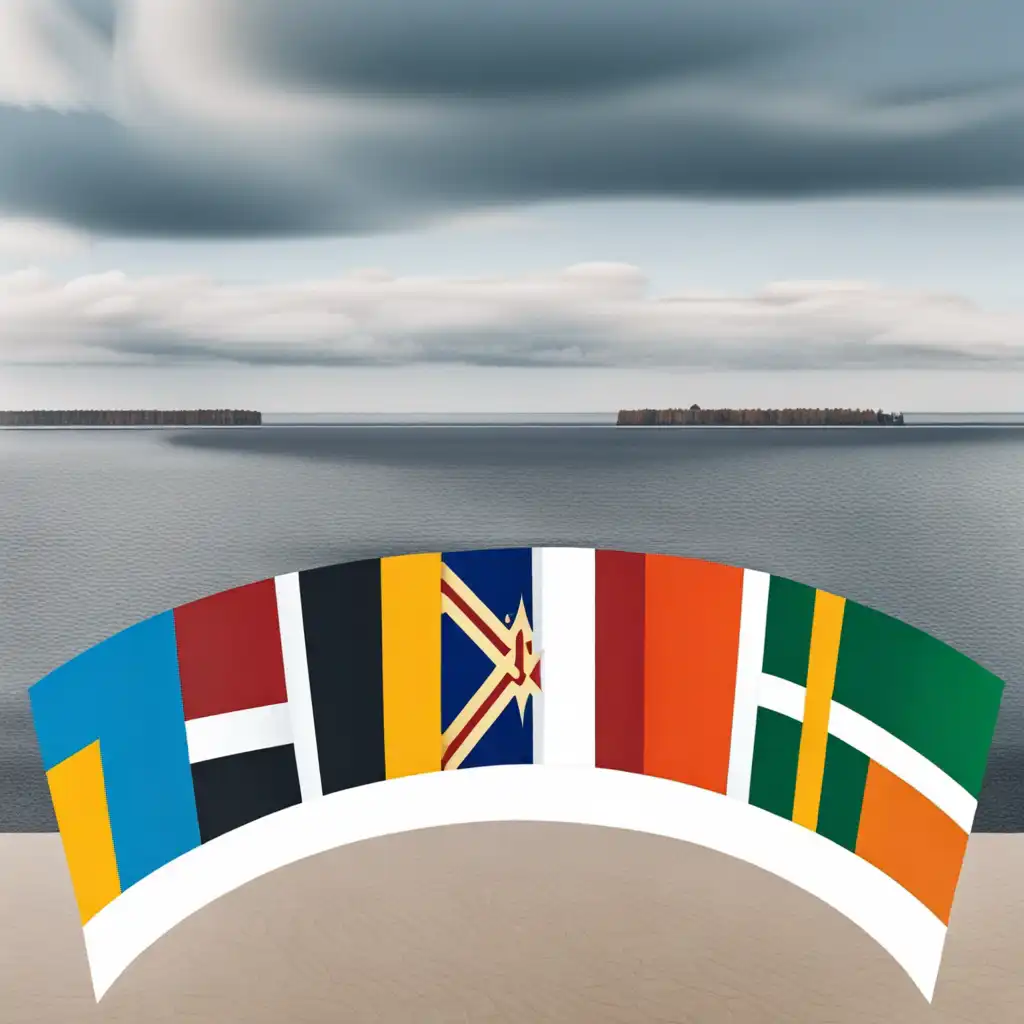
baltic
adjective baltic
ˈbɔːltɪk
Relating to the Baltic Sea, the Baltic States, or any of their languages.
I would like to visit the Baltic region someday.
baltic
ˈbɔːltɪk
Cargando…
ˈbɔːltɪk
Relating to the Baltic Sea, the Baltic States, or any of their languages.
I would like to visit the Baltic region someday.

ˈbɔːltɪk
Family of languages that includes Lithuanian and Latvian.
Lithuanian is one of the most ancient Baltic languages.

ˈbɔːltɪk
Very cold
I forgot my coat, it's absolutely baltic outside.
No se pudo cargar el audio. Inténtalo de nuevo más tarde.
The word 'Baltic' typically refers to the Baltic region, which includes countries like Estonia, Latvia, and Lithuania. It can also refer to the Baltic Sea. You may hear the word used in relation to discussions about the climate, economy, or politics of this particular region.
Chilly is a more general term that can describe any situation or environment that feels cold or cool. It does not necessarily refer to any specific region or body of water.
In summary, Baltic is a more specific term that refers to a region and the weather and water that are characteristic of that region, while chilly is a more general term that can describe any situation or environment that feels cool or cold.
Abrir palabra: Chilly →Baltic refers specifically to a region in Northern Europe, including countries like Latvia, Lithuania, and Estonia. When used to describe something as "Baltic weather," it means that the weather is very cold, often with snow or ice, as is typical in those countries.
Cold is a more general term that can describe any weather or temperature that is cooler than usual.
To summarize, Baltic describes very cold weather that is typical of the Northern European region while cold is a more general term that can describe any weather or temperature that is cooler than usual.
Abrir palabra: Cold →Freeze, on the other hand, means to turn into ice or to become very cold.
It can describe a physical process (such as water freezing into ice) or a feeling (such as feeling freezing cold).
So, while baltic is applicable when talking about a specific geographic region or climate, freeze is applicable in a broader sense to describe any situation where something (or someone) becomes very cold or turns into ice.
Abrir palabra: Freeze →Frosty describes a cold temperature that causes frost to form on surfaces.
Baltic describes a cold environment, while frosty describes a cold temperature with frost formation.
Abrir palabra: Frosty →Gelid also means cold, but it specifically means frozen or icy.
The difference between the two words is that baltic generally refers to a very cold temperature, while gelid refers to something that is frozen or icy.
Both can describe cold weather or climates, but gelid is more specific in its meaning.
Abrir palabra: Gelid →Icy is a more general term that describes a condition where something is covered in ice, frozen or extremely cold.
In summary, Baltic is specific to the cold climate of the Baltic Sea region, while icy is a more general term to describe anything that is frozen or extremely cold.
Abrir palabra: Icy →Polar describes something related to the North or South Pole regions of the Earth. It refers to a climate zone.
In simpler terms, Baltic describes a place or area, while polar describes a climate zone.
Abrir palabra: Polar →Snowy simply means covered or filled with snow.
Baltic refers specifically to a geographic region and the weather associated with it, while snowy is a more general term used to describe areas covered in snow.
Abrir palabra: Snowy →at artifacts buried within the sediment things made out of bone or wood which might survive hundreds of years on land stay preserved for thousands of years underwater in the thick mud of the Baltic
Ver en YouTube ↗