
ordinal
adjective ordinal
Refers to the order or position of things in a series or list.
Three is the ordinal number for the third position in a list.
ordinal
Loading…
Refers to the order or position of things in a series or list.
Three is the ordinal number for the third position in a list.

A number defining a thing's position in a series, like 'first', 'second', or 'third'.
In the context of mathematics, seven is an ordinal number.
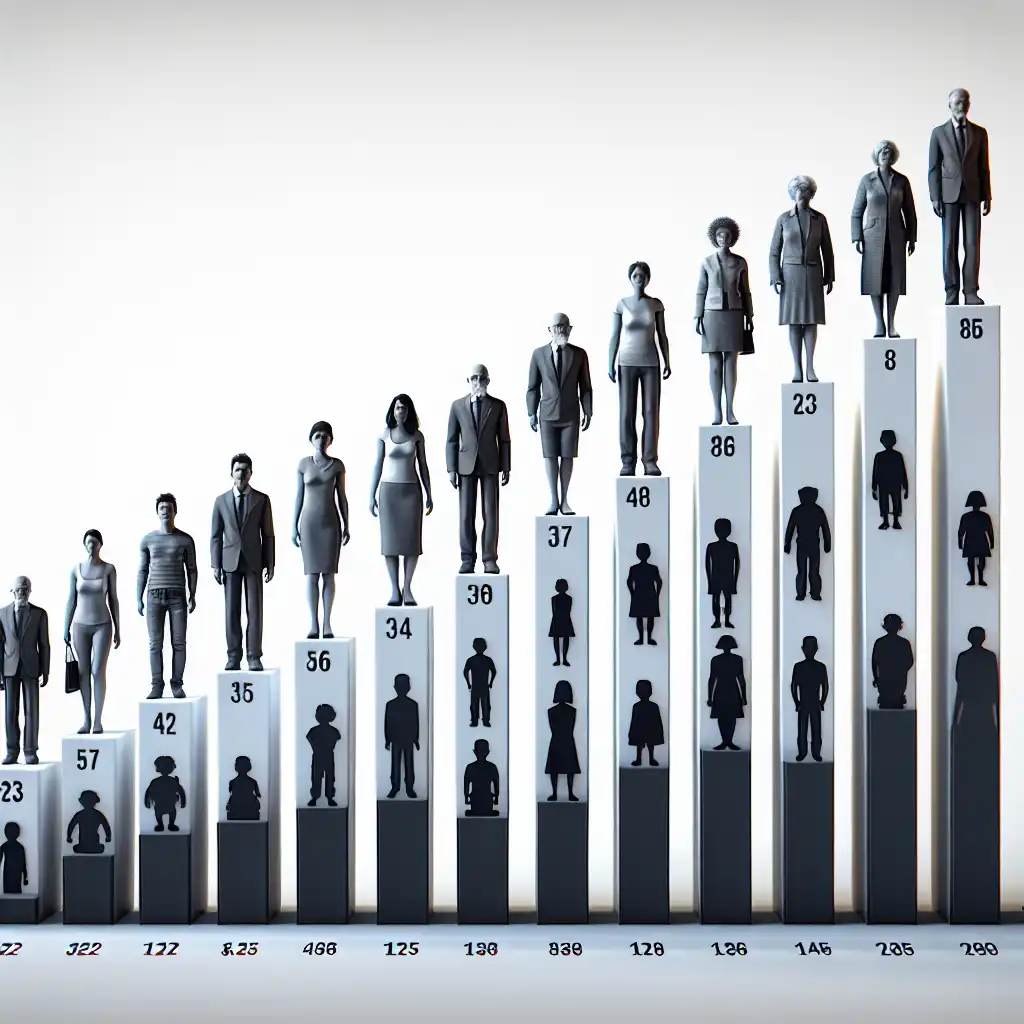
In computing, it refers to a type of data that can be sorted or ordered.
In data analysis, age is an example of an ordinal variable.

In Christianity, a service book containing rites and ceremonies.
The priest followed the instructions in the ordinal for the baptism ceremony.
Audio could not be loaded. Please try again later.
The word 'ordinal' is used to describe things that are placed in a particular order or sequence, like numbers or positions in a race. For example, first, second, third, fourth, and fifth are ordinal numbers that show the order of things. You can use the word 'ordinal' when you want to talk about which position something is in a sequence, like "She came in third place, which is the ordinal number for the position of being the third person to finish the race."
Arrange means to put things in a specific order or pattern. For example, you might arrange books on a shelf according to their size or arrange furniture in a room to create a certain layout.
Arrange describes the physical placement of objects or the organization of a space, while ordinal describes a sequence or order of things.
Open word: Arrange →Grade refers to a numerical score given to measure a student's level of achievement or success in an academic subject.
For example, if you receive a grade of 90% on a math test, it means you answered 90% of the questions correctly.
Grade is applicable when measuring one's academic performance, while ordinal is applicable when indicating the position or order of something in a sequence.
Open word: Grade →Numerical refers to numbers used for counting and measuring quantities or values, such as 1, 2, 3, 4, 5, etc.
To simplify, numerical refers to a basic count, while ordinal refers to the placement or ranking of that count.
Open word: Numerical →Order refers to a specific arrangement or sequence of things. For example, if you are placing items in a particular sequence, then that sequence can be referred to as the order of those items.
are all examples of ordinal numbers, because they indicate the position of something in a specific order or sequence.
Order describes a specific arrangement or sequence of things, while ordinal is used to indicate the position of something in a specific sequence or order.
Open word: Order →Progressive refers to things that are moving forward or improving over time. It is applicable in situations where there is a sense of growth or development, such as personal or societal progress.
To simplify it further, ordinal refers to order and ranking, while progressive refers to growth and improvement.
Open word: Progressive →Sequential refers to something that is arranged in a particular order that follows a pattern, usually in a sequence of steps or stages.
It is used when we want to talk about a series of events that take place one after the other. For example, "the sequential order of the alphabet is A, B, C, D, etc".
Ordinal is used when we want to talk about the position or rank of something, while sequential is used when we want to talk about a series of events that happen in a specific order.
Open word: Sequential →Serial describes things that are part of a series or a sequence. For example, a TV show that has several episodes is a serial, as each episode is part of a sequence that tells a story.
Ordinal refers to the order of things, while serial refers to the sequence of things.
Open word: Serial →Ordinal refers to the order or position of something in a sequence, such as first, second, third, etc. Successive refers to when something happens one after the other in a series.
Whereas if a person runs around a track in circles for five times, they can be said to have covered five successive laps.
Ordinal describes the position of something in a sequence while successive describes things that happen one after the other in a series.
Open word: Successive →