parch
verb parch
pɑːrtʃ
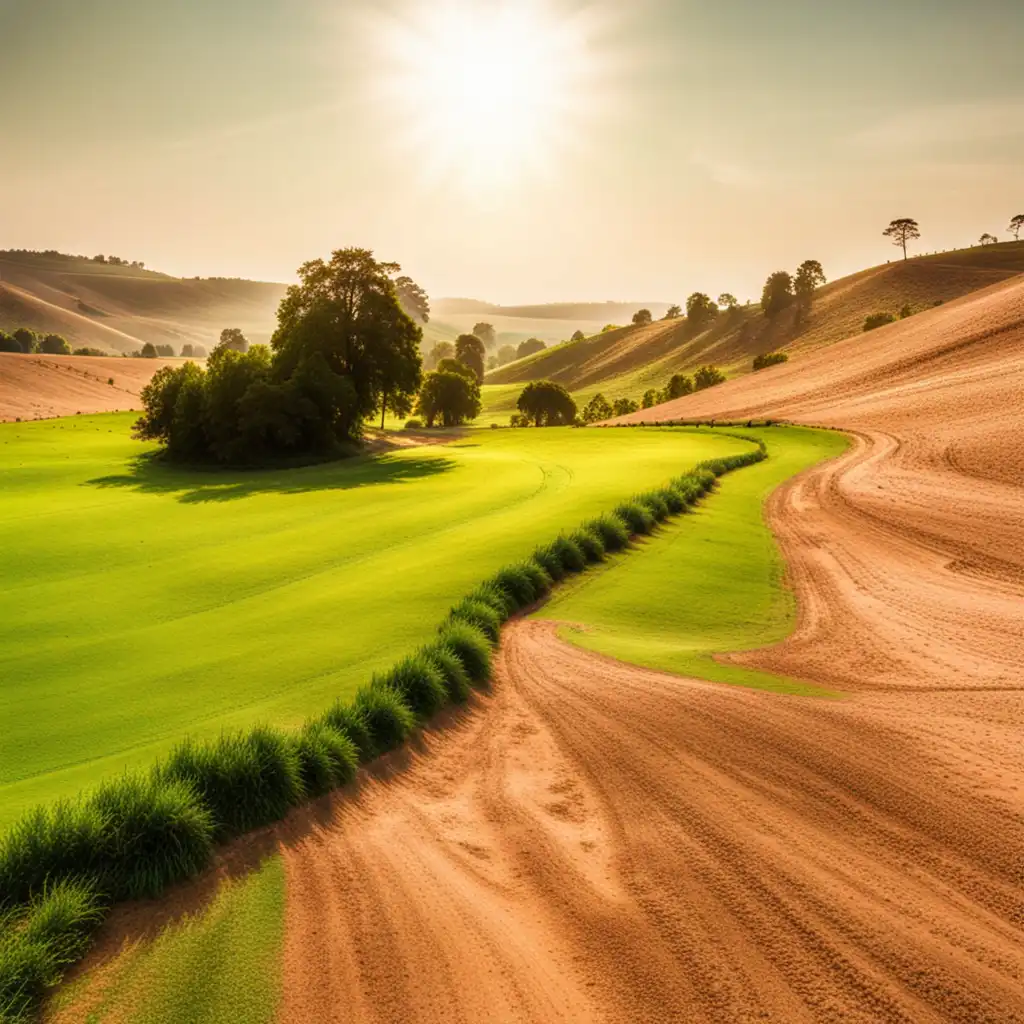
To make something dry by sucking out the water
The hot sun had parched the grass.
parch
pɑːrtʃ
Cargando…
pɑːrtʃ
To make something dry by sucking out the water
The hot sun had parched the grass.
pɑːrtʃ
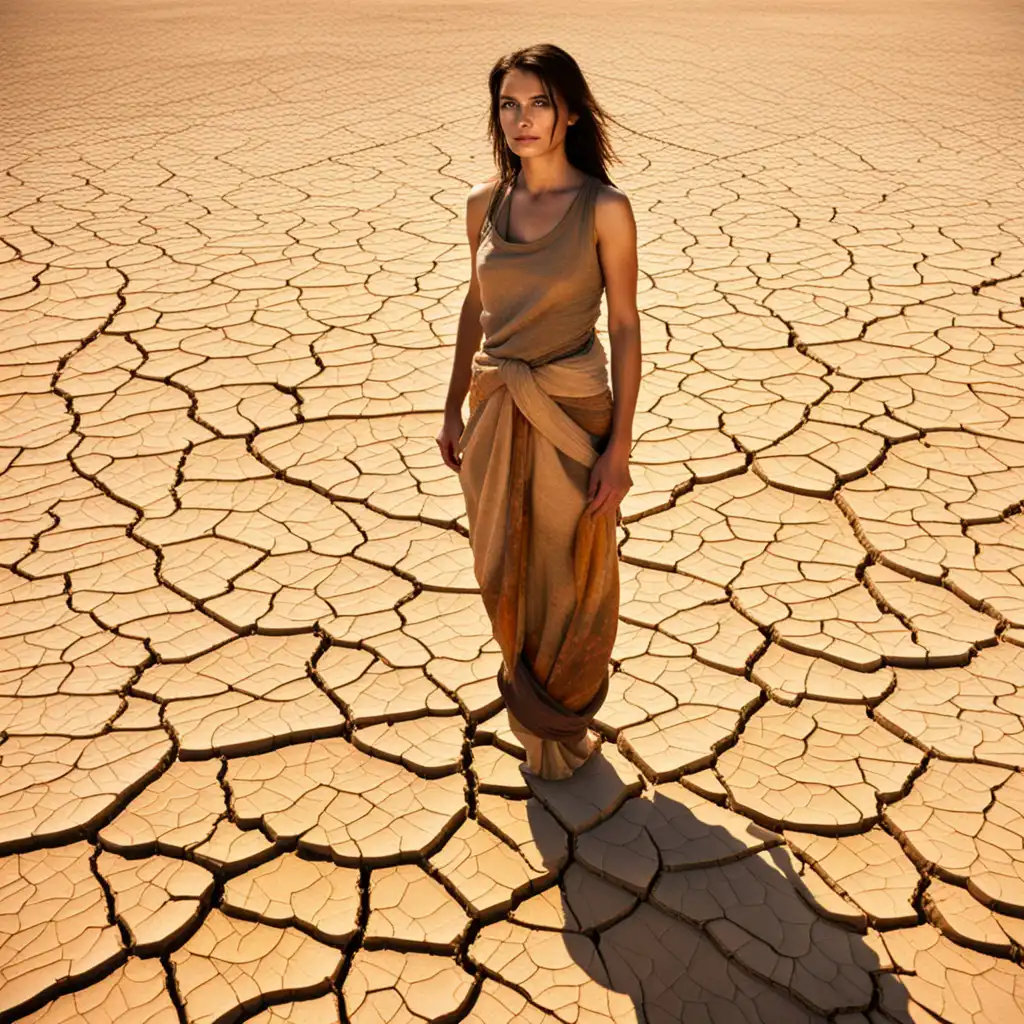
To make your mouth, throat, or skin feel extremely dry
The hot desert sun will parch your skin.
pɑːrtʃ
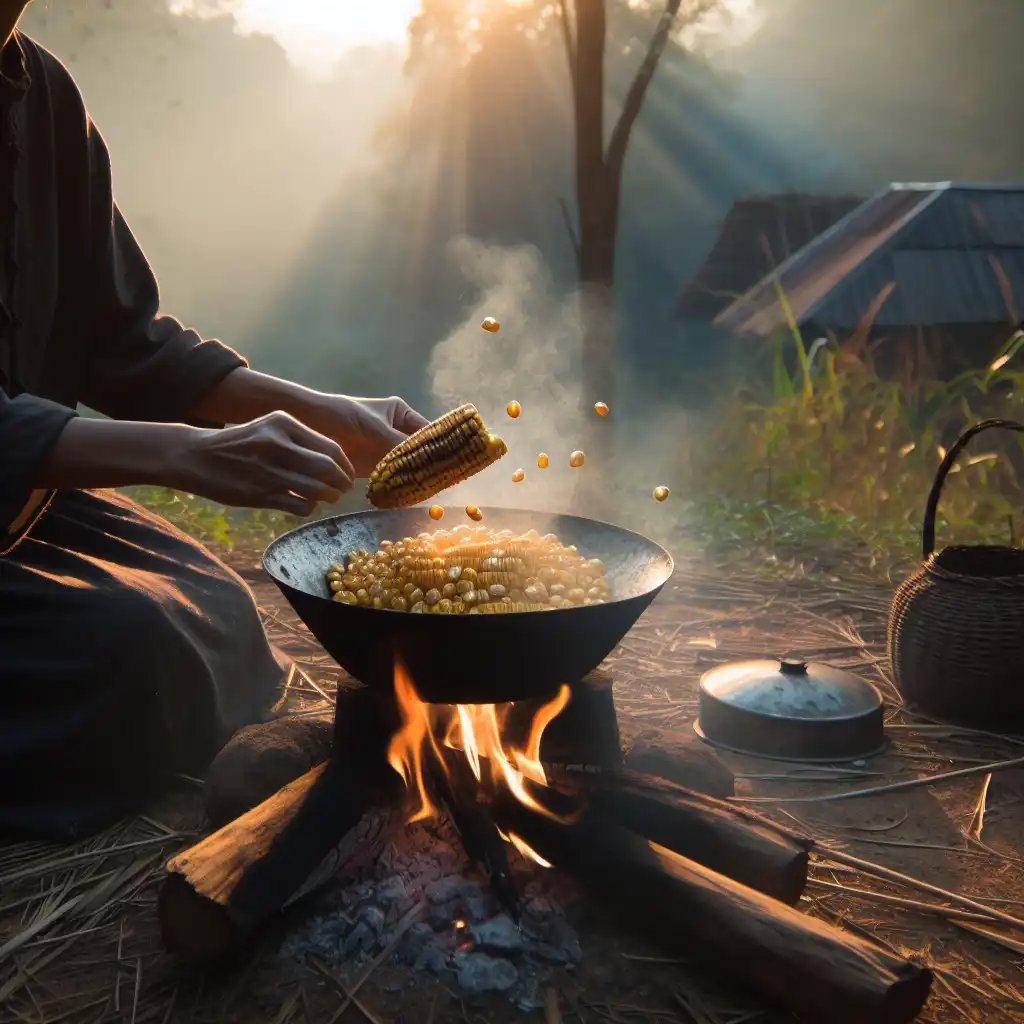
To roast or toast something, like grains, in heat without burning
She was parching corn over the fire.
No se pudo cargar el audio. Inténtalo de nuevo más tarde.
The word 'parch' means to make something very dry or to become very dry. It is often used to describe something that has been left in the sun for too long, like a desert or a plant that has not been watered. Example: "Don't leave your skin out in the sun for too long, or it will parch and become dry and uncomfortable."
Both dry out and parch mean to remove moisture from something, but the difference is in how severe the level of dryness is.
Dry out implies a moderate level of removal of moisture, where something that was once wet or damp becomes dry to the touch.
For example, you might dry out a wet towel by hanging it up to air dry.
Parch, on the other hand, suggests extreme dryness, where something becomes completely dried out, almost to the point of being brittle or burnt.
Dry out is applicable for more everyday situations where something simply needs to lose a bit of moisture, whereas parch is reserved for more severe circumstances where the loss of moisture has more significant consequences.
Abrir palabra: Dry out →Hydrate means to add water or moisture to something, whereas parch means to remove or dry out moisture from something.
For example, hydrate would be applicable when you are adding water to plants to keep them from drying out or when you are drinking water to keep yourself from getting dehydrated.
Abrir palabra: Hydrate →It is often used to cook grains like rice or oats. Roast means to cook something by dry heat, usually in an oven, often used for meat dishes.
So, for example, you would parch grains like rice or nuts, whereas you would roast a chicken or turkey.
Abrir palabra: Roast →Parch refers to the process of drying something out by removing all the moisture, whereas the word scorch refers to the process of burning something or leaving a mark on something due to intense heat or flame.
For example, you might parch seeds by leaving them in the sun to dry out completely. You might scorch something, like a piece of toast, by cooking it for too long and burning it.
Both words can be used in to describe excessive heat, but parch typically refers to something becoming dry, while scorch refers to something being burned.
Abrir palabra: Scorch →Sear means to cook the surface of something quickly using high heat, like when you cook a steak. It is applicable when we want to create a crispy surface on meat or vegetables, without cooking them completely.
Parch is used to make things dry, while sear is used to create a crispy outer layer.
Abrir palabra: Sear →Shrivel means to become wrinkled and smaller in size, usually due to lack of moisture or age. This can apply to things like fruits, vegetables, and even human skin.
Parch refers to complete drying out, while shrivel describes a specific type of drying that involves wrinkling and reduced size.
Abrir palabra: Shrivel →Toast means to brown or cook something by exposing it to direct heat, such as over an open flame or in a toaster.
Toasting is typically used with bread or other baked goods, but can also be used with things like marshmallows. For example, you might toast bread in a toaster to make it crispy and warm.
The main difference between the two is that parch is used to indicate drying out with heat, while toast is used to indicate browning or cooking with heat.
Abrir palabra: Toast →Both parch and wither refer to the process of drying out or drying up, but they are used in different situations.
Wither, on the other hand, is typically used to describe the process of a plant or other living thing drying up and dying.
For example, a person might say that their flowers withered after being left without water for too long, or that a tree withered due to a disease that caused it to lose its leaves and dry up.
So, while both words refer to drying out or drying up, parch is used more often with respect to humans and landscapes, while wither is used more often to describe plants and other living things.
Abrir palabra: Wither →Peter Donnelly: How...
Ver en YouTube ↗Many in the world are searching, often intensely, for a source of refreshment that will quench their yearning for meaning and direction in their lives. They crave a cool, satisfying drink of insight and knowledge that will soothe their parched souls.
David Attenborough Eats...
Ver en YouTube ↗Trees bear fruits only to be eaten by others; the fields grown grains, but they are consumed by the world. Cows give milk, but she doesn't drink it herself - that is left to others. Clouds send rain only to quench the parched earth. In such giving, there is little space for selfishness.
Remapping A Place: How...
Ver en YouTube ↗The country up here is beautiful; everything green and pleasant; and if you saw it now, you would not believe that in two months' time it could have such a parched and barren appearance as it will then assume.
A year in the life of...
Ver en YouTube ↗Sometimes it feels hard to remember that Silicon Valley is an actual place, a collage of parched suburbs, and not just the collective noun for information-technology companies.
The climate change...
Ver en YouTube ↗To shy away from human extremes and human sensuality makes for bone-dry fiction. A world parched of our sexual releases and our tumultuous daily emotional lives is deeply impoverished. It is not lifelike, at least life as I remember living it.
"The Land That God Had...
Ver en YouTube ↗Two Cheetahs vs....
Ver en YouTube ↗Safari Live - Day 284 %\PIPE%...
Ver en YouTube ↗The Cutest Elephant...
Ver en YouTube ↗The Water of Lost Hills...
Ver en YouTube ↗