vitrification
noun vitrification
ˌvɪtrɪfɪˈkeɪʃn
The process of transforming a substance into a glass-like solid that does not crystallize.
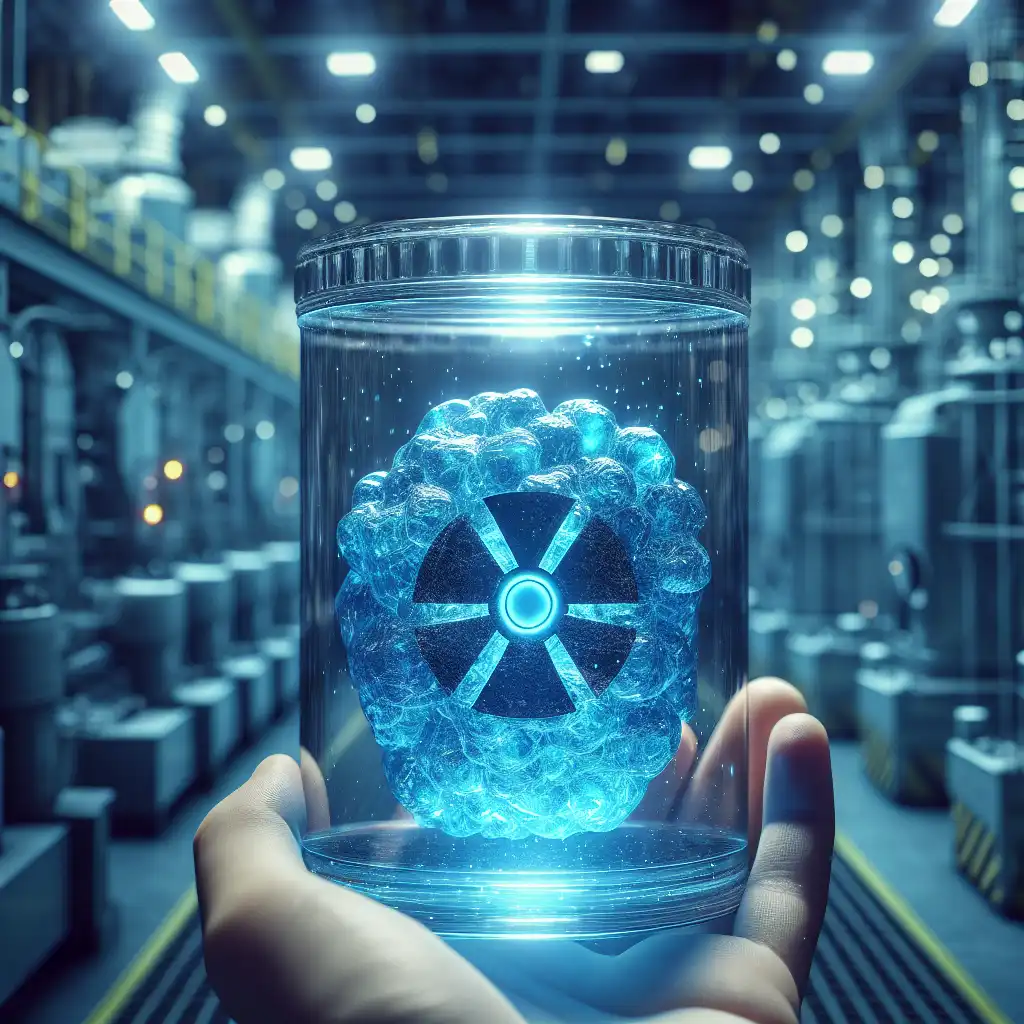
Vitrification is often used in the preservation of nuclear waste.
vitrification
ˌvɪtrɪfɪˈkeɪʃn
Chargement…
ˌvɪtrɪfɪˈkeɪʃn
The process of transforming a substance into a glass-like solid that does not crystallize.
Vitrification is often used in the preservation of nuclear waste.

ˌvɪtrɪfɪˈkeɪʃn
The process of converting cells or tissues into a glass-like state by rapid freezing.
Vitrification is a new technology used to cryo-preserve human eggs.
ˌvɪtrɪfɪˈkeɪʃn
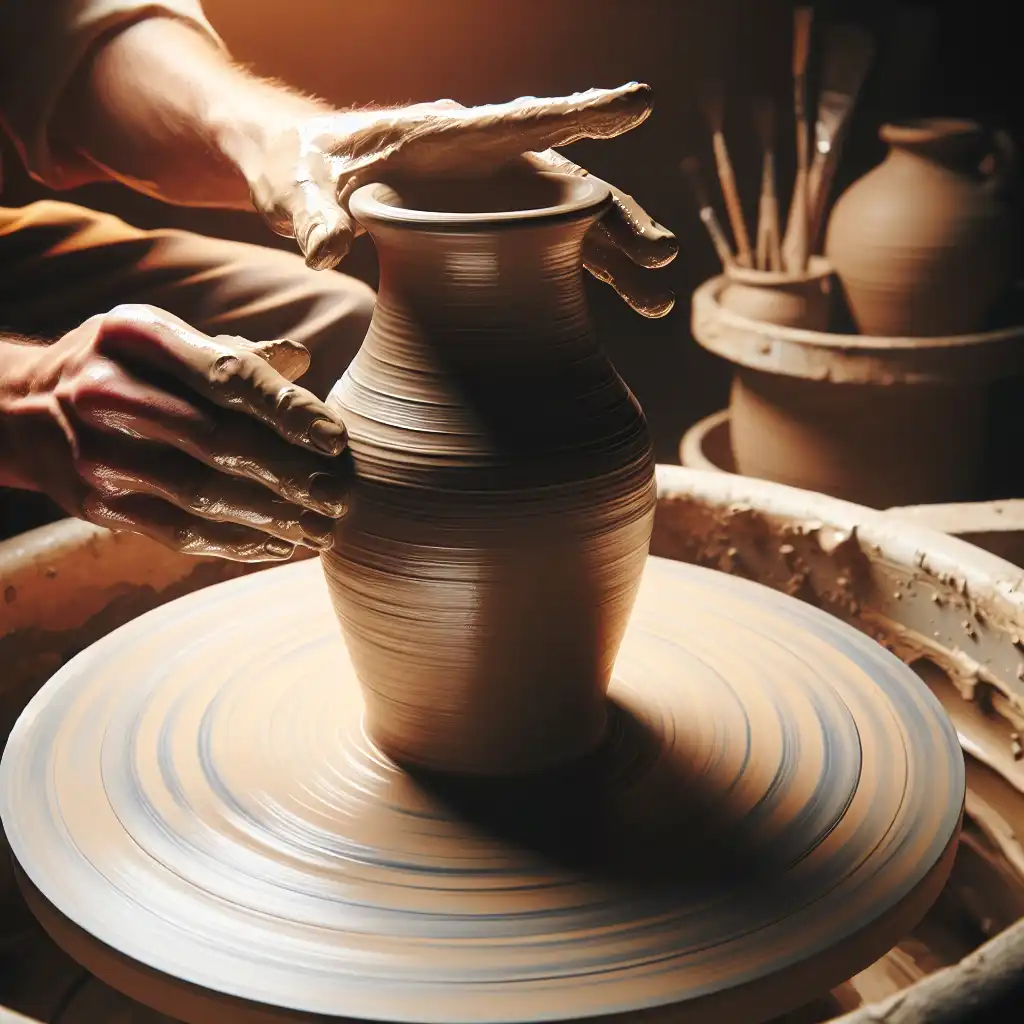
The process of giving a glassy or polished appearance to pottery or ceramics.
Vitrification is a result of heat treatment and gives pottery a shiny finish.
Impossible de charger l’audio. Réessayez plus tard.
Vitrification is a word used to describe the process of turning a substance into a glass-like solid. It is often used in scientific or medical contexts, such as when preserving biological materials like embryos or tissue for storage or transportation. It is also used in the manufacturing of certain materials, such as ceramics or glass. Essentially, vitrification is a way of creating a solid, durable, and stable material that can withstand various environmental factors.
Crystallization and vitrification are two different processes used in the formation of solids from liquids.
Crystallization is the process of forming crystals from a liquid (or gas) by allowing the molecules to arrange themselves in a ordered, repeating pattern.
Crystals are typically hard, translucent or transparent, and have well-defined edges and shapes. Crystallization is applicable in many fields, such as chemistry, geology, and materials science.
Crystallization forms ordered, repeating patterns in solid materials (crystals), while vitrification creates disordered, non-crystalline (glass) materials.
Ouvrir le mot: Crystallization →Freezing and vitrification are both techniques used for preserving biological materials, but they differ in the way they are done and for what they are used.
Freezing involves reducing the temperature of the material to below freezing point, typically using liquid nitrogen (-196°C), to halt all biological processes and preserve the material.
Freezing is commonly used in cryopreservation to store sperm, embryos, and tissues.
However, during freezing, ice crystals can form, causing damage to the material, which can affect its viability after thawing.
Vitrification is a more advanced freezing method that eliminates ice crystal formation by rapidly cooling the sample in a special solution that converts the water into a glass-like state.
In summary, freezing is a technique used to preserve biological materials by reducing the temperature below freezing, while vitrification is a more advanced method that involves rapidly cooling the sample in a special solution to eliminate ice crystal formation.
Ouvrir le mot: Freeze →Melt means to turn a solid substance into a liquid by heating it. This is applicable to most common materials like ice, chocolate, butter etc.
For example, when you heat ice, it melts into water.
In short, melting is a process of turning a solid into a liquid while vitrification is a process of turning a substance into a glass-like solid.
Ouvrir le mot: Melt →Mineralogy is the study of minerals, which are naturally occurring solids that have a specific chemical composition and crystal structure.
Mineralogy is applicable in a variety of fields, including geology, mining, and materials science.
Mineralogy is the study of minerals, while vitrification is a process of creating glass-like materials. They are both applicable in materials science, but mineralogy is also applicable in fields such as geology and mining.
Ouvrir le mot: Mineralogy →Solidification generally refers to the process of a liquid changing into a solid state, due to changes in temperature or chemical reactions.
Solidification can occur naturally, such as when water freezes, or as part of an industrial process, such as in the casting of metals.
Vitrification is a specific type of solidification that involves turning a material into glass. This is done by heating the material to a high temperature, then rapidly cooling it, which prevents the formation of crystals.
Solidification is used in a wide variety of industries, including construction, metals, and food processing, to create materials that are strong, durable, and have consistent properties.
Ouvrir le mot: Solidification →Transmutation refers to the process of changing one element into another element through nuclear reactions. This is often used in scientific research or in nuclear power plants to produce new elements or to convert nuclear waste into a less harmful form.
Transmutation is about changing one element into another element, while vitrification is about converting materials into a glass-like form for safety or storage purposes.
Ouvrir le mot: Transmutation →The trouble with vitreous water is that vitrification should be impossible.