synecdoche
noun synecdoche
sɪˈnekdəki
A figure of speech where a part of something represents the whole or it may use a whole to represent a part.
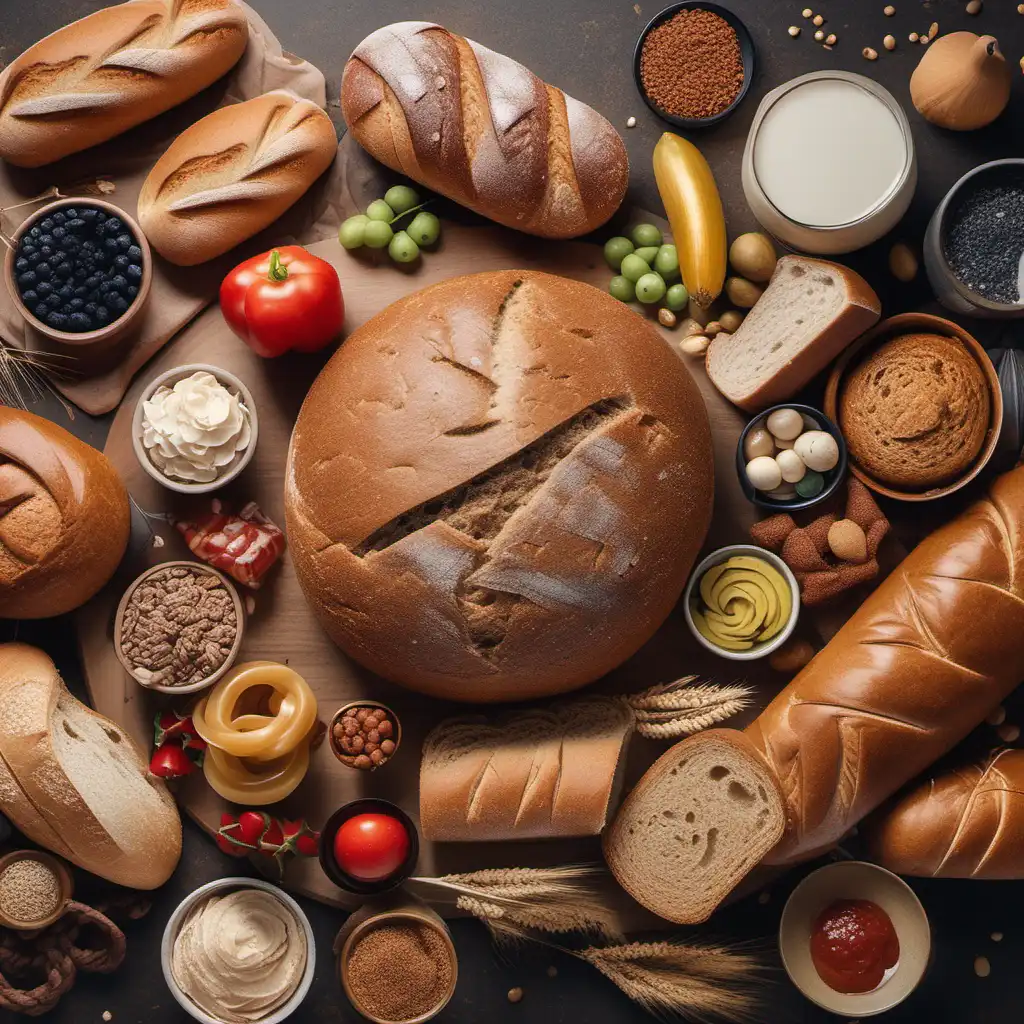
In the term 'bread and butter', 'bread' can be a synecdoche for food.
synecdoche
sɪˈnekdəki
불러오는 중…
sɪˈnekdəki
A figure of speech where a part of something represents the whole or it may use a whole to represent a part.
In the term 'bread and butter', 'bread' can be a synecdoche for food.

sɪˈnekdəki
A figure of speech in which a general term stands for a specific example.
The word 'wheels' can be a synecdoche for a car.

sɪˈnekdəki
A word or phrase in which a part represents the whole.
The phrase 'new faces' can be a synecdoche for new students.
오디오를 불러오지 못했어요. 잠시 후 다시 시도해 주세요.
Synecdoche is a fancy way of describing when part of something is used to represent the whole thing. For example, if you said "nice wheels" to refer to a car, the "wheels" are being used to represent the entire car. This type of language is often used in literature, poetry, and other forms of creative writing. It can also be used in everyday conversation, but it's not as common. Unless you are studying literature or writing, you may not come across this word very often.
Irony is when the opposite of what is expected happens or when something is said but means the opposite. For example, if a fire station burns down, that's ironic because you would expect firefighters to prevent fires, not have their own building catch fire.
Irony involves a contrast between what's expected and what actually happens or what's said and what's meant, while synecdoche involves using a part of something to represent the whole or vice versa.
단어 열기: Irony →Metonymy and synecdoche are both literary devices that use one word to stand in for another word.
Metonymy refers to a situation in which a word is used to represent something else that it is commonly associated with.
For example, the word "crown" can be used as a metonymy for a king or queen, because the crown is closely associated with a monarch.
Metonymy is using a word associated with the meaning of another thing, while synecdoche is using a part of something to represent the whole.
단어 열기: Metonymy →Trope refers to a common or recurring theme or motif in a work of literature, film, or other forms of art. Tropes are often used to add depth or meaning to a story or to evoke a certain emotion.
For example, the "hero's journey" is a common trope in many works of fiction that involves a protagonist going on a quest, facing challenges and conflicts, and ultimately achieving a goal.
Tropes are applicable in many forms of storytelling, including fiction, film, television, and even advertising.
Synecdoche is a figure of speech that uses a part to represent the whole, while trope refers to a recurring theme or motif in a work of art.
단어 열기: Trope →Wordplay refers to the use of words in a clever or playful way, usually for humor or to create a clever effect. For example, "Time flies like an arrow; fruit flies like a banana" is a common example of wordplay, where the double meaning of "flies" is used for humor.
Synecdoche is used for representing a whole by a part or vice versa, while wordplay is used for creating clever or humorous effects using words in a playful way.
단어 열기: Wordplay →The daily press, the immediate media, is superb at synecdoche, at giving us a small thing that stands for a much larger thing. Reporters on the ground, embedded or otherwise, can tell us about or send us pictures of what happened in that place at that time among those people.
It occurred to me that every work of art is a synecdoche, there's no way around it. Every creative work that someone does can only represent an aspect of the whole of something. I can't think of an exception to that.
Preachers at black churches are the last people left in the English-speaking world who know the schemes and tropes of classical rhetoric: parallelism, antithesis, epistrophe, synecdoche, metonymy, periphrasis, litotes - the whole bag of tricks.