
melancholic
adjective melancholic
ˌmelənˈkɑːlɪk
Feeling or showing sadness, typically with no obvious cause.
She was feeling melancholic after hearing the sad news.
melancholic
ˌmelənˈkɑːlɪk
लोड हो रहा है…
ˌmelənˈkɑːlɪk
Feeling or showing sadness, typically with no obvious cause.
She was feeling melancholic after hearing the sad news.
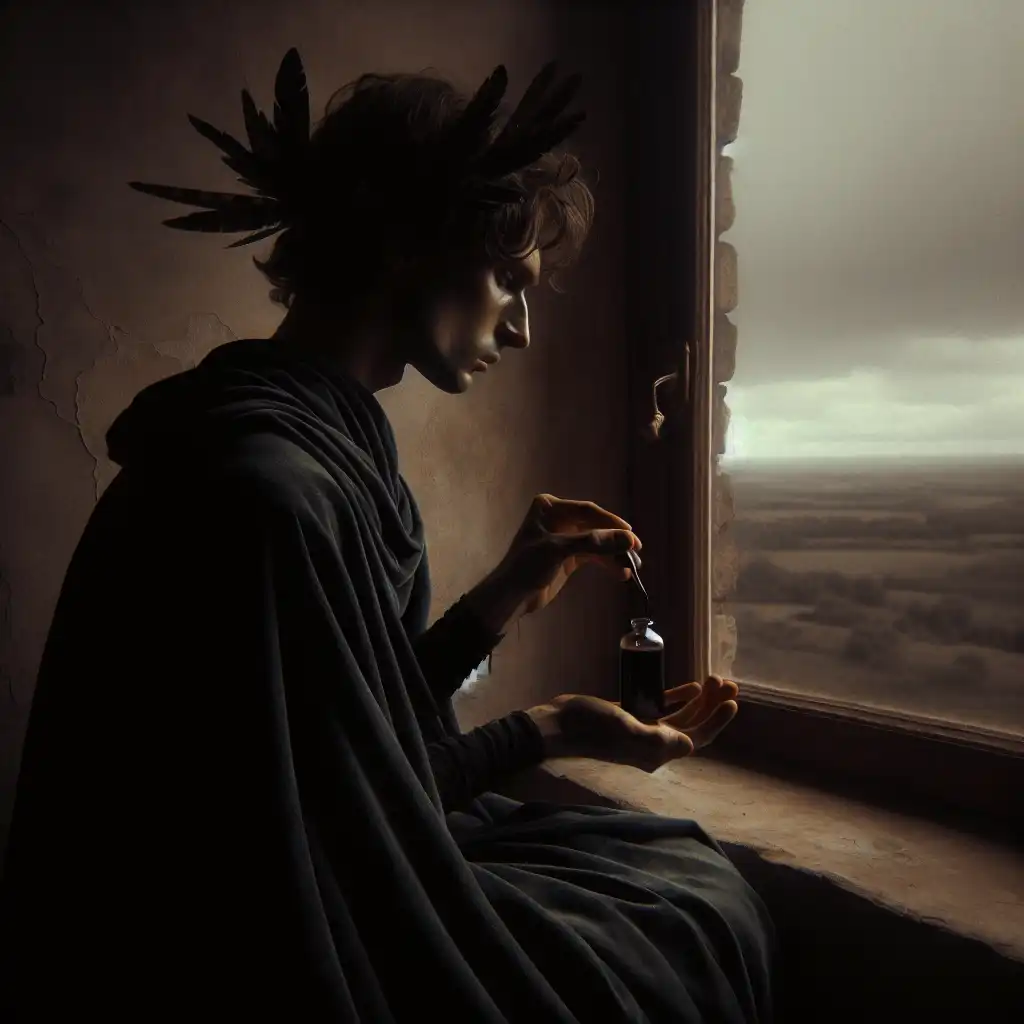
ˌmelənˈkɑːlɪk
Relating to black bile, supposed by the ancient Greeks to cause melancholia.
The melancholic mood can be traced back to the ancient theory of humors.
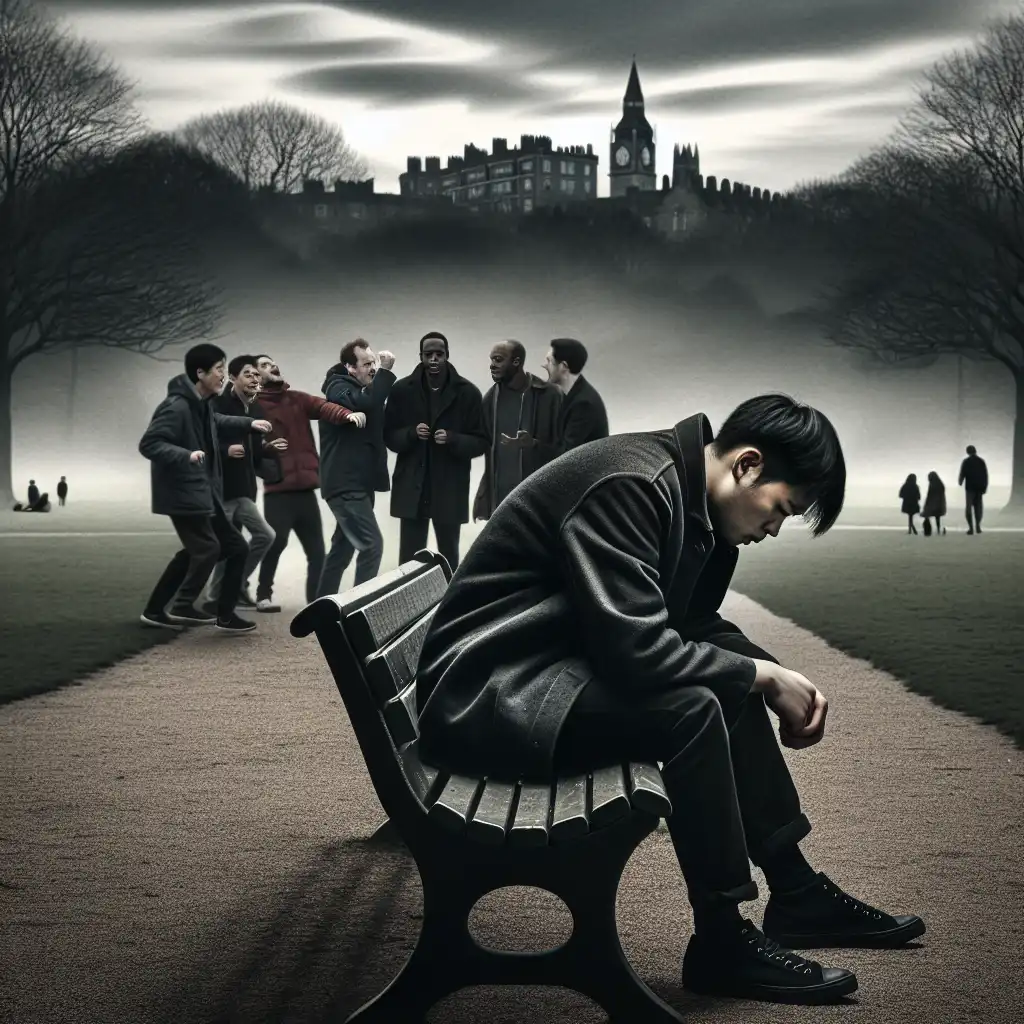
ˌmelənˈkɑːlɪk
Of or showing a disposition to self-absorption.
He carries a melancholic demeanor that often isolates him from others.

ˌmelənˈkɑːlɪk
Relating to the pathological psychology condition of serious persistent sadness.
Melancholic depression is a severe form of depression that needs immediate medical attention.
ऑडियो लोड नहीं हो सका। कृपया बाद में फिर कोशिश करें।
The word 'melancholic' is used to describe someone or something that is feeling sad, gloomy or depressed. It is often used to describe music, art or literature that has a somber tone or mood. For example, a melancholic song might have sad lyrics and a slow tempo. You could say "The atmosphere of the room was melancholic" to describe a gathering where everyone was quiet and subdued. It is important to note that this word has a negative connotation and is usually reserved for describing a sad or depressing situation.
Blue and melancholic are both words used to describe a feeling or an emotion, but they differ in intensity and context.
Blue usually describes a mild feeling of sadness or melancholy, often associated with feeling down or upset. For example, you might say "I'm feeling a little blue today" if you're feeling a bit sad or low.
Blue is a more common and informal term used to describe temporary, mild periods of sadness, while melancholic is a more serious and formal term used to discuss deeper, longer-lasting sadness or depression.
शब्द खोलें: Blue →Depress means to make someone feel sad, hopeless, and discouraged.
Melancholic describes a more long-lasting, deep sense of sadness or gloom that is often associated with depression.
Depress describes a temporary feeling of sadness or discouragement, while melancholic describes a more chronic state of sadness or gloom.
शब्द खोलें: Depress →Despondent refers to a feeling of extreme sadness, hopelessness and loss of motivation, while melancholic refers to a deep, prolonged sadness or depression.
शब्द खोलें: Despondent →Dismal implies a sense of gloominess or sadness about a situation, whereas the word melancholic implies a deeper, more brooding sense of sadness or sorrow.
Dismal would be more appropriate to describe a period of bad weather or a poor performance in a game, for example, whereas melancholic might be more appropriate to describe a long-term sense of sadness or despair that someone is experiencing.
शब्द खोलें: Dismal →Gloomy means dark and sad, often referring to the weather or a place.
A gloomy day would be a day that is dark and sad-looking.
Hence, gloomy is applicable to describe places and weather, while melancholic describes a person's mood or temperament.
शब्द खोलें: Gloomy →Melancholic and Morose are both adjectives used to describe a sad or gloomy mood, but there is a slight difference in their meaning.
Morose describes a sense of sullenness, gloominess or a bad mood. It often refers to a short-lived sadness or irritability that is characterized by a lack of enthusiasm, energy or interest in life.
Morose is often used to describe a person's mood or behavior.
Melancholic suggests a deep and long-lasting sadness or introspection, while morose suggests a more temporary and immediate gloominess or sour mood.
शब्द खोलें: Morose →Melancholic and mournful both refer to feelings of sadness, but they have slightly different meanings. Melancholic describes a feeling of sadness that is more long-lasting and deep-seated.
Mournful describes a feeling of sadness that is more acute and immediate.
Melancholic refers to a more general feeling of sadness, while mournful refers to a feeling of sadness that is specific to a particular event or situation.
If you are talking about a more immediate feeling of sadness that is related to a particular event or situation, it would be more appropriate to use mournful.
शब्द खोलें: Mournful →Both melancholic and sad refer to emotions that are unhappy or sorrowful.
However, melancholic is a more specific term that denotes a deep, prolonged, and almost poetic feeling of sadness that is associated with a sense of loss, nostalgia, or longing.
Sad is a more general term that can describe any feeling of unhappiness or grief, whether it is mild or severe, and whether the cause is known or unknown.
It is often used to describe a reaction to a particular event or situation that is distressing or sorrowful. Melancholic is applicable when referring to a profound, nuanced, and reflective state of sadness or grief, while sad can describe any level or type of sorrow, regardless of its intensity or underlying cause.
शब्द खोलें: Sad →Sombre means dark, dull, or serious. It is applicable when describing something more physical, like the color of clothing or the atmosphere of a room.
Melancholic refers to someone's mood, while sombre refers to something physical.
शब्द खोलें: Sombre →to the prince’s own cackling meditation on mortality, Shakespeare uses melancholic monologues to breathtaking effect. This is perhaps best exemplified in Hamlet’s most famous declaration of
YouTube पर देखें ↗As a human being, I'm kind of a cheery melancholic. I have energy; I'm happy.
Well this sounds very melancholic doesn't it? And I turned the page and what came next was this.
YouTube पर देखें ↗I love winter. It's a beautiful time, but also a melancholic time, a reflective time, and I'd come to a point in my life where I felt I had to make certain decisions about my career.
melancholic backdrop to the first attempts to climb Mount Everest for the entire generator of men who had been through the nightmare of the war death held no mysteries they had seen so much of it that had nothing left to teach them and
YouTube पर देखें ↗I think it's mainly the language barrier and the cultural barrier, but of course also my songs, they have been very serious and melancholic, and so maybe people need to see more of my bubbly side and my personality.
that always got yellow belly oh very yellow Oh big belly change smell like garlic nope I don't mention a female I really yeah so the male's melancholic yeah during the breeding season especially performing surgery on a frog
YouTube पर देखें ↗In the course of my life, I've made some happy songs but it's the more sort of like pathos-laden, emotional, melancholic music that either I make or that other people make that really resonates with me.
Usually, I'm only sad when something sad happens. I am not a melancholic person. I like to live very much in the present. If I was an animal, I'd be a little cat. They like to live life.
I personally wouldn't want my second album to sound like my first; it might sound very rocky or hard rock - and that wouldn't be melancholy. So if people think my music is melancholic, then so be it. It's meant to be uplifting, and I'm just basically saying what needs to be said.
I have such a love of good music that I find even melancholic music uplifting. Maybe I'm a rare breed.
I'm not sure. But that bless-his/her-heart kind of melancholic humor is among my favorite things in the world. I guess it exposes a kind of humanity - or that's the hope, at least - a kind of grudging respect for human frailty. Unless it's actually kicking human frailty while it's down - I'm not sure.
The character I played on 'Everwood' was so serious and melancholic that after doing it for four years, it really started affecting my soul. I was becoming Ephram.
I am not sad, but I am melancholic. When you lose your mother at 20 and then your father soon after, melancholia is part of your life.