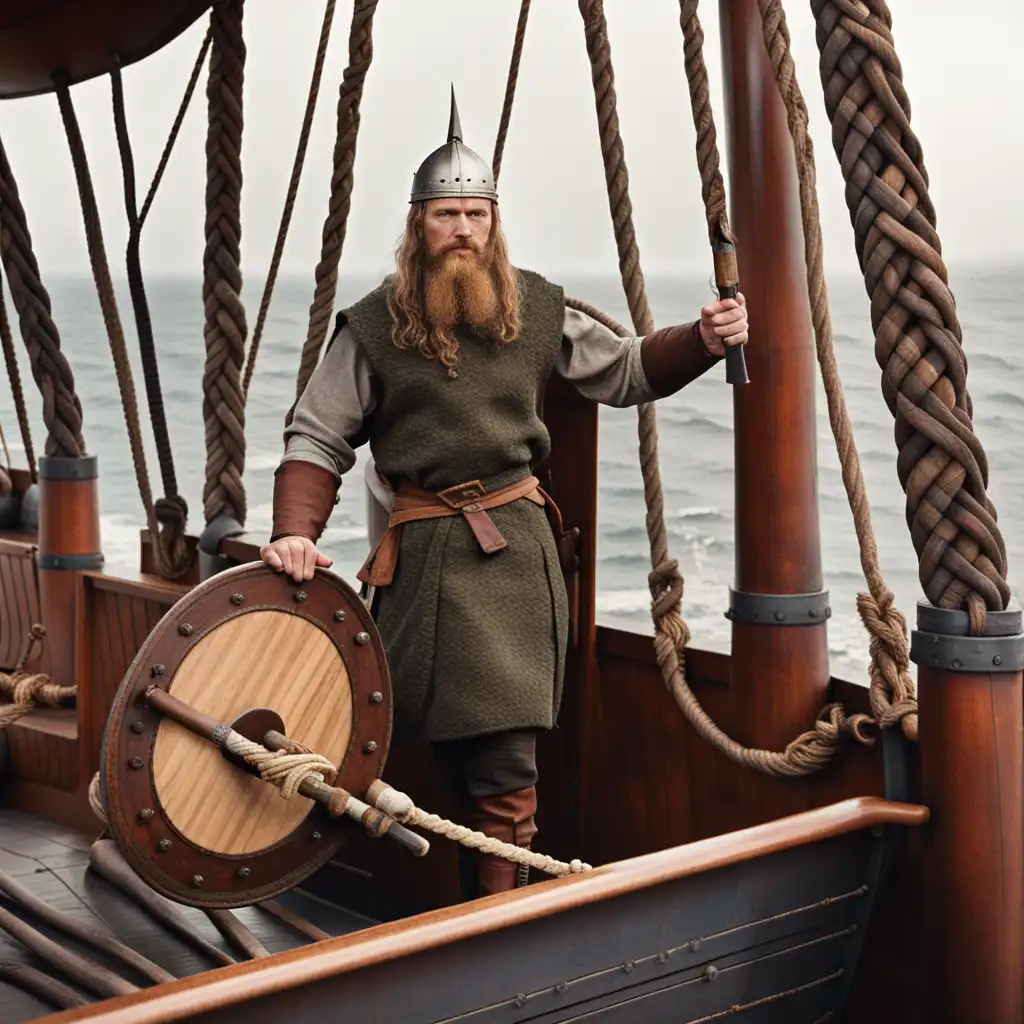
viking
noun viking
ˈvaɪkɪŋ
A seafaring person from the Scandinavian countries during 8th - 11th century
The Vikings invaded England in the 9th century.
viking
ˈvaɪkɪŋ
Đang tải…
ˈvaɪkɪŋ
A seafaring person from the Scandinavian countries during 8th - 11th century
The Vikings invaded England in the 9th century.
ˈvaɪkɪŋ
A person from present-day Nordic countries (emphasizing their historic roots)
As a Viking descendant, he is very proud of his Norwegian ancestry.

ˈvaɪkɪŋ
A professional American football player from the Minnesota Vikings team
He's been a Viking fan since he was a kid.
Không tải được âm thanh. Vui lòng thử lại sau.
The word 'viking' originally referred to a group of people from Scandinavia, who were known for their seafaring skills, trading, and raiding. Nowadays, 'viking' can refer to the historical period from the late 8th to the mid-11th century, as well as to modern depictions of these people in media, such as movies or TV shows. Additionally, 'viking' can also refer to a person who has a Viking ancestry or is part of a modern Viking subculture, such as Vikings interested in Norse mythology, history, or reenactment. When using the word 'viking' in conversation or writing, it's important to be aware of these different meanings and contexts.
An adventurer is someone who seeks out new experiences and challenges, often in pursuit of personal growth or excitement.
An adventurer is someone who seeks new experiences in general, while a Viking is a historical figure with a specific cultural and historical context.
Mở từ: Adventurer →Buccaneer refers to a pirate who operated in the Caribbean during the 17th and 18th centuries. They primarily attacked Spanish ships and settlements, and were known for their use of small, fast ships and their willingness to form alliances with indigenous tribes.
In summary, buccaneers were pirates operating in the Caribbean during a specific time period, while Vikings were Norse warriors and explorers who lived hundreds of years earlier and operated throughout Europe.
Mở từ: Buccaneer →An explorer is a person who travels to unknown or remote places with the purpose of discovering new things, such as new lands, territories, or cultures.
The term explorer can be applied to people from different times and cultures, as long as they meet this definition.
Vikings were known for their raids and conquests in Europe, as well as for their shipbuilding and navigation skills. The term Viking is not interchangeable with explorer, as it refers specifically to a historical and cultural group with a distinctive reputation and legacy.
In summary, explorers are people who discover new things, while Vikings were a specific group of seafaring warriors from Scandinavia in a particular historical period.
Mở từ: Explorer →A marauder is essentially an indiscriminate thief or raider who attacks and steals from others. The term can describe any group or individual who engages in this type of behavior, whether they are pirates, bandits, or just plain criminals.
So while both terms can refer to raiders or attackers, Viking specifically refers to a historical group of people from a certain time and place, while marauder is a more general term that can apply to anyone who engages in that kind of behavior.
Mở từ: Marauder →They are also known for their seafaring and military skills. Pillager is a person who engages in the act of looting, plundering or raiding in a violent way.
This can be done by any person or group, regardless of their cultural background. So while all Vikings were known for their seafaring and military skills, not all pillagers were necessarily Vikings.
Mở từ: Pillager →Pirate refers to a person who attacks and steals from ships on the sea. Viking refers to a member of a group of Scandinavian raiders who travelled by sea to raid and plunder settlements.
While pirates were active during the 17th and 18th century, Vikings were active from the late 8th to the 11th century. Pirates were prevalent in the Caribbean and Mediterranean seas, while Vikings were mainly active in Europe, specifically the Scandinavian region.
Mở từ: Pirate →A plunderer is someone who takes things by force or theft, usually for personal gain.
If you were talking about someone who steals things, you would use the word plunderer. If you were discussing the history and culture of the Norse people from Scandinavia who are commonly referred to as Vikings, you would use the word Viking.
Mở từ: Plunderer →A warrior is a person who is skilled in combat, usually fighting in battles. This term is used for anyone from any culture who fights in battles.
In summary, Viking is a term used for a specific group of people from a specific time period, while warrior is a more general term referring to anyone who engages in battle.
Mở từ: Warrior →as the meat decomposes it oozes toxic ammonia the chemical found in most household cleaning products and human waste I don't want to say the world this will probably describe it best be in Viking times Shark me was buried out of
Xem trên YouTube ↗Vikings were pretty brutal, but also very educated people. They were salesmen, businessmen who started raiding when business wasn't good. That's why they had such great boats.
special place now another chapter in the story of our owls is being written a new invader from the land of the vikings has recently arrived in britain the
Xem trên YouTube ↗It seems strange that almost no other traces of the strong vikings are found in America.
Viking invaders in the 8th to 11th centuries added more borrowings from Old Norse into the mix. It may be hard to see the roots of modern English underneath all the words borrowed from French Latin Old Norse and other languages.
Xem trên YouTube ↗I had this awesome tennis teacher when I was 12 who was Icelandic. He looked like a Viking: long hair, and he was built like a rock and spoke with this accent.
Viking women were able to rule kingdoms, divorce husbands, own land; and Vikings were very progressive in terms of the rights of women.