inaction
noun inaction
ɪnˈækʃn
The state of not doing anything, or the choice not to do something.
Your continued inaction on this issue is concerning.
inaction
ɪnˈækʃn
불러오는 중…
ɪnˈækʃn
The state of not doing anything, or the choice not to do something.
Your continued inaction on this issue is concerning.
오디오를 불러오지 못했어요. 잠시 후 다시 시도해 주세요.
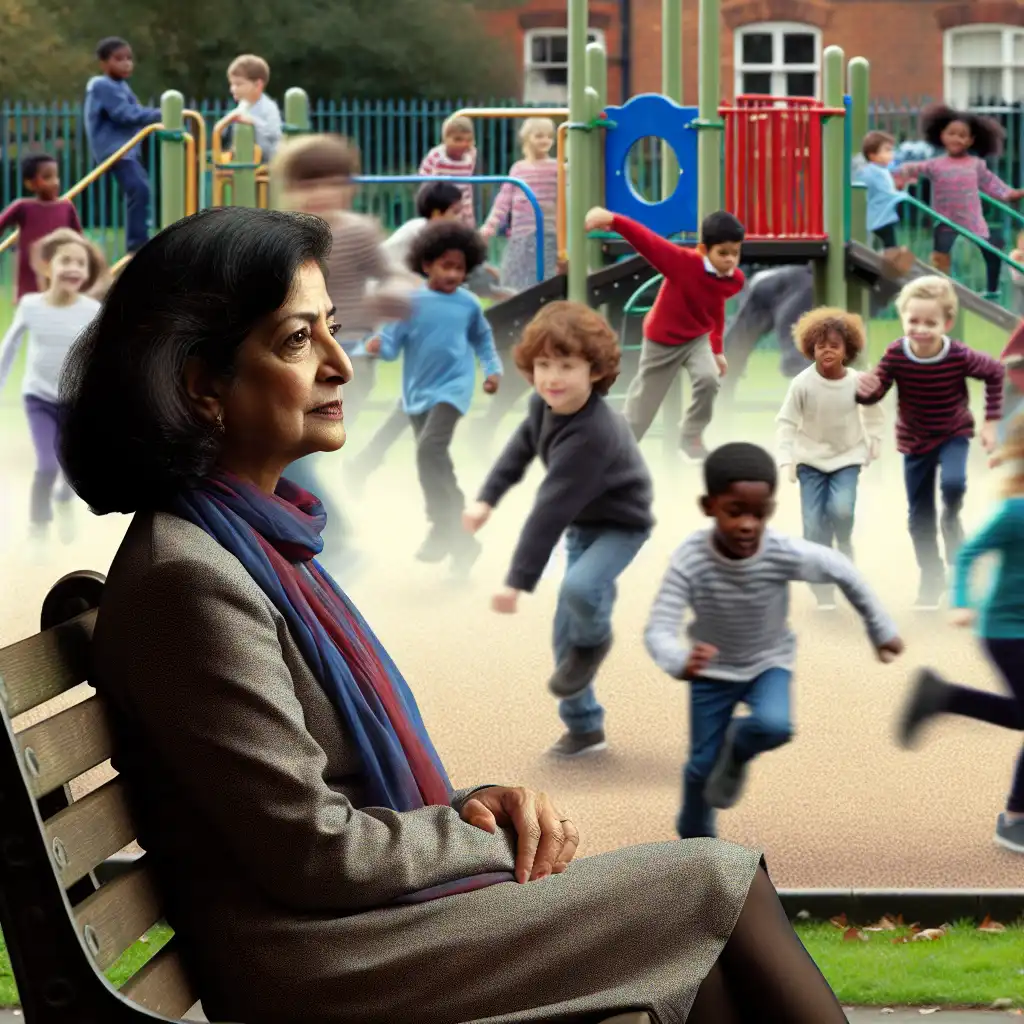
The word 'inaction' means not doing anything or taking no action in a situation where you could. For example, if you see someone being bullied and you do nothing to help them, then it is called 'inaction'. It is important to not practice inaction, especially in situations where someone may need help or support. You can use the word 'inaction' when you are talking about situations where no action is taken and the consequences of not taking action.
Dormancy refers to a state of rest or sleep, while inaction refers to a state of not taking action or being inactive. Dormancy usually describes living things, like plants or animals, that enter a period of rest or hibernation.
Dormancy implies a temporary pause in activity, while inaction implies a lack of activity altogether.
단어 열기: Dormancy →Idle means not being active or engaged in any work or activity. It implies a lack of productivity or purposeful effort.
For example, a person sitting around doing nothing, without any particular reason, would be considered idle.
Both idle and inaction are negative characteristics as they portray a lack of productivity and initiative, respectively.
However, idle is more suitable for describing a person's state of being, while inaction is better used to describe a lack of action in a particular situation.
단어 열기: Idle →Inactivity, on the other hand, refers to a state of being inactive or not doing anything. This could be intentional, like taking a day off to rest, or unintentional, like being stuck in traffic.
Inaction is a failure to act when action is needed, while inactivity is simply not doing anything at all.
단어 열기: Inactivity →Indolence refers to laziness or a lack of effort or energy. It is applicable in situations where someone is not putting in the effort needed to complete a task or achieve a goal.
Indolence is a negative trait that can lead to procrastination and poor performance.
단어 열기: Indolence →Laziness refers to a tendency to avoid work or be unwilling to put in effort.
It is often associated with procrastination, lack of discipline or a desire for leisure activities over work. Laziness is not necessarily linked to specific situations or tasks that need to be done, but reflects a more general attitude towards work.
Both words have negative connotations, but inaction is generally seen as a more passive state while laziness implies a lack of motivation or responsibility.
Inaction can be the result of external factors, while laziness is seen as a personal trait or choice. Each word can be used in different contexts depending on what needs to be communicated.
단어 열기: Laziness →Lethargy refers to a state of being sluggish or lacking energy.
Inaction is a failure to take action, while lethargy is a state of being sluggish or tired. Inaction is more related to decision-making, while lethargy is more related to physical or mental exhaustion.
단어 열기: Lethargy →Passivity refers to a lack of involvement or participation in a situation. It means being inactive, unresponsive, or indifferent to something.
Passivity is applicable when a person is unable to take any action or does not have the power to do so.
For example, if a student fails to study for an exam, it is inaction on their part. If a student is unable to attend school due to illness, it is passivity.
단어 열기: Passivity →Inaction refers to not taking any action or not doing anything. Torpor, on the other hand, refers to a state of physical or mental inactivity, lethargy, or sluggishness.
In other words, inaction is simply not doing anything, while torpor is a more specific state of being inactive, often due to being tired or lazy.
For example, if someone doesn't study for an exam, that's "inaction." If someone is too tired to get out of bed, that's "torpor." Inaction can be applied to any situation where someone fails to take action, while torpor is more applicable to situations where someone is feeling particularly sluggish or lazy.
단어 열기: Torpor →The psychology of evil %\PIPE%...
YouTube에서 보기 ↗Inaction breeds doubt and fear. Action breeds confidence and courage. If you want to conquer fear, do not sit home and think about it. Go out and get busy.
Elections and Space...
YouTube에서 보기 ↗There are many different types of racism from people of different colours and nationalities. There is no vaccine to fight this and no antibiotics to take. It's a dangerous and infectious virus which is strengthened by indifference and inaction.
Saving Hawaii’s Birds...
YouTube에서 보기 ↗Life is insanely robust, though we can make species go extinct, and this is the bad thing. So I always make the point that you can't say, 'Is it too late?' That is the terrible question, because either answer promotes inaction. If it's too late, you don't need to act; if it's not too late, you don't need to act.
Resilient people,...
YouTube에서 보기 ↗Take the word of experience, I speak the truth: inaction is safest in danger.
Isaac Lidsky: What...
YouTube에서 보기 ↗In my life as a soldier and citizen, I have seen time and time again that inaction has dire consequences.
How we can turn the tide...
YouTube에서 보기 ↗Years of government inaction on air pollution has got people thinking that the state cannot even protect basic public goods like clean air.
Can we solve global...
YouTube에서 보기 ↗With the continued support of citizens who refuse to accept inaction at the expense of future generations, we will lead the world toward a sustainable future.
Let's make the world...
YouTube에서 보기 ↗Surely our inaction with respect to Syria is a poor precedent if we're fighting a war on terror.
What if a single human...
YouTube에서 보기 ↗I never worry about action, but only inaction.
Dominic Price: What's...
YouTube에서 보기 ↗Nature knows no pause in progress and development, and attaches her curse on all inaction.