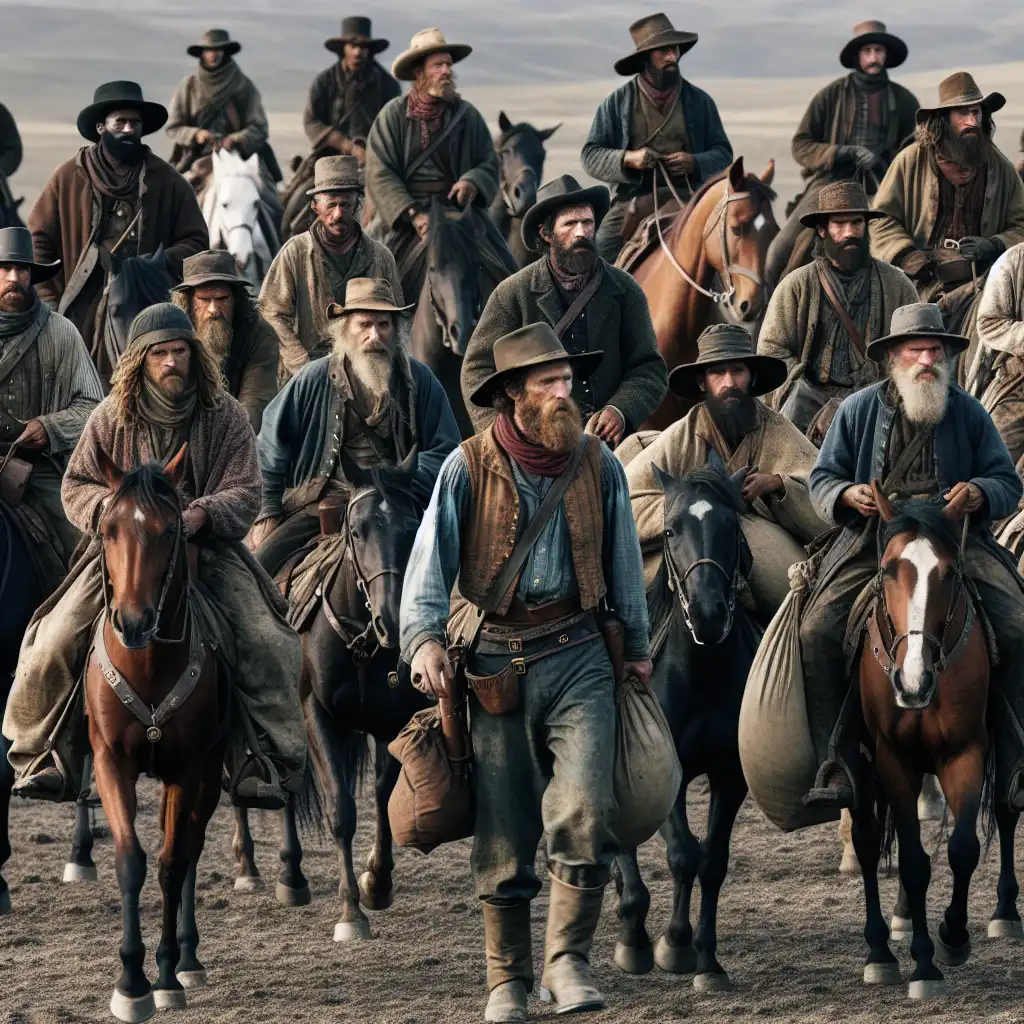
'Freebooting' refers to the act of taking someone else's creative work, like a video or photo, and uploading it to a different platform without permission. This is usually done for personal gain, such as increasing views or followers on one's own platform. It is important to understand that freebooting is illegal and unethical, as it infringes on the original creator's rights and can result in financial and reputational loss. It is best to always give credit and seek permission before using someone else's work.
Bootlegging typically refers to the illegal production or distribution of goods or products, such as alcohol or movies.
In simpler terms, bootlegging is more about physical goods, while freebooting is more about digital content. Bootlegging is applicable in situations where someone is illegally trying to make a profit off of someone else's product, while freebooting is applicable in situations where someone is trying to gain attention or views by sharing someone else's content without permission.
Loot refers to stealing goods during times of conflict or chaos, such as during a riot or war.
It can also refer to goods taken by force from a defeated enemy. Loot is generally associated with physical objects, such as money, jewelry, or other valuables.
Freebooting is a modern term that refers to stealing digital content, while loot has been used for centuries and refers to stealing physical objects.
Freebooting and plunder are both related to looting, but there is a slight difference in their meanings.
Plunder is a more general term that refers to the act of forcefully taking someone's possessions.
It can be used in different contexts, from war to piracy. For example, if a group of pirates attacked a ship and took all the goods, they would be said to have plundered it.
The main difference between the two words is that freebooting is a more specific term and only applies to the appropriation of digital content, while plundering is a more general term and covers a wider range of situations.
Freebooting and raid have different meanings and applications.
A raid is an organized and coordinated action by a group of people to invade, attack, and conquer a place or target.
It can be used in different contexts, such as in video games, military operations, or online communities. For example, if a group of gamers plan to attack and defeat a boss in a dungeon, they might call it a raid.
Similarly, if a group of online users decide to troll or harass a particular individual or group, they might coordinate a raid to overwhelm them with messages, dislikes, or negative comments.
Freebooting is a form of content theft, while raid is a form of collective action. Freebooting is illegal and harmful to creators, while raid can have both positive and negative consequences depending on the context and intention.
Freebooting and robbery both involve taking something that does not belong to you, but there are some differences between the two.
Robbery typically involves physically taking someone's property by force or threat of force. This can happen in a variety of contexts, such as stealing from a store, home invasion, or street mugging.
Freebooting usually involves stealing digital content, while robbery involves stealing physical property through force or threat of force.
Freebooting refers to the unauthorized sharing of someone else's content (such as a video or photo) without their permission or proper credit, whereas theft refers to the unlawful taking of someone else's property.
Freebooting can take place online, where someone shares content on another platform without the original creator's permission, while theft can occur in any situation where someone takes something without permission.