desiccation
noun desiccation
ˌdesɪˈkeɪʃn
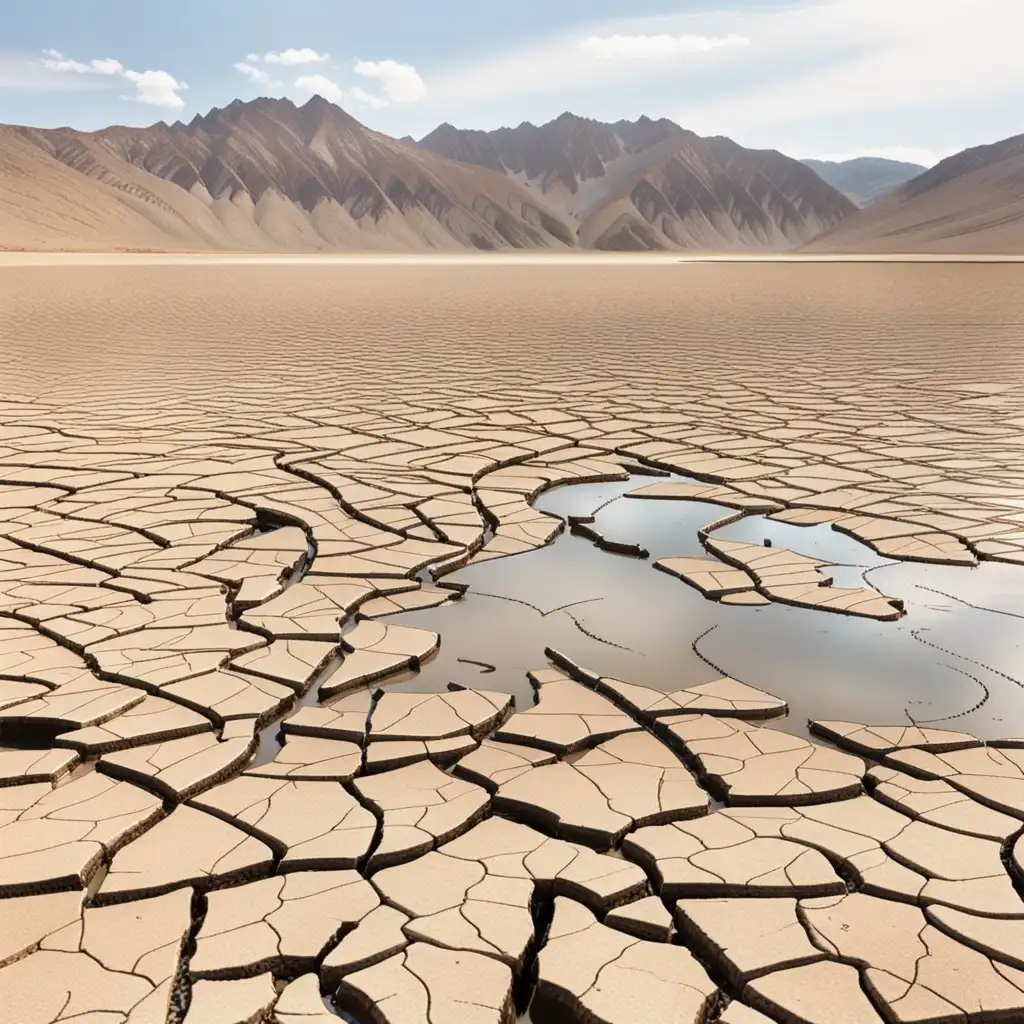
The process of drying or losing moisture.
The desiccation of the lake caused the fish to die.
desiccation
ˌdesɪˈkeɪʃn
読み込み中…
ˌdesɪˈkeɪʃn
The process of drying or losing moisture.
The desiccation of the lake caused the fish to die.
ˌdesɪˈkeɪʃn
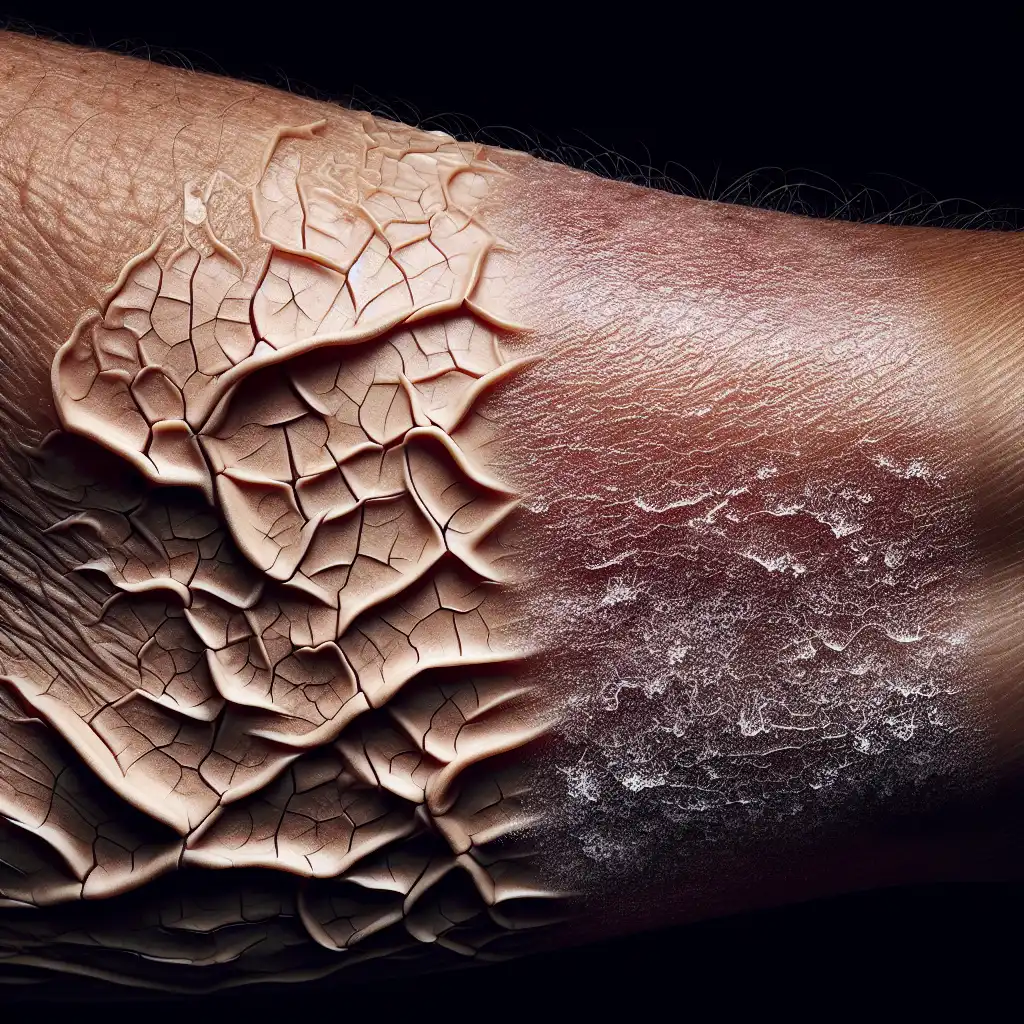
A state of excessive dryness.
The patient's skin showed signs of desiccation due to dehydration.

ˌdesɪˈkeɪʃn
The removal of water from a substance.
Desiccation is an important process in the production of certain chemicals.
音声を読み込めませんでした。しばらくしてからもう一度お試しください。
Desiccation means the process of drying something completely. It is used to describe an object or a substance that has been dried out completely. For example, when fruits, vegetables, or meat are left out in the sun, they start to lose water and become desiccated. Similarly, when a person suffers from dehydration, their skin and lips can become desiccated. The word is often used in scientific contexts as well, such as when talking about the process of preserving specimens for research purposes.
Aridity and desiccation both refer to a lack of water, but aridity is a state in which an area or region receives little rainfall or moisture, whereas desiccation refers to the process of removing water from something, such as a plant or other living organism.
Aridity is applicable when describing the climate or conditions of a specific location or region, such as a desert, while desiccation is applicable when discussing the dehydration of an object or organism, such as the drying out of food or the withering of a plant.
Essentially, aridity is a description of a naturally dry environment, while desiccation is the process of removing water from something.
単語を開く: Aridity →Dehydration refers to the loss of water from the body or from an object, while desiccation refers to the removal of moisture from an object, but not necessarily from living organisms.
Dehydration is a process that occurs when the body loses more water than it takes in, which can lead to symptoms like thirst, fatigue, and dry skin.
Dehydration refers to the loss of water from living organisms, while desiccation refers to the removal of moisture from both living and non-living objects.
単語を開く: Dehydration →Desiccation and parch both mean to dry out, but desiccation is typically used in scientific or technical contexts to describe the process of removing water from something, while parch is more commonly used in everyday language to describe something becoming dry or thirsty.
For example, a scientist might study the desiccation of a plant or food product, while a hiker might say they are parched after a long walk in the sun.
単語を開く: Parch →Wilt is a term used to describe a plant or part of a plant that is drooping or limp. This can happen when the plant lacks water or nutrients or when it is under stress from disease or pests.
So, while both desiccation and wilt involve a lack of water in plants, desiccation refers to a complete drying out, while wilt refers to a temporary loss of turgor pressure in the plant.
Desiccation can happen to a wide variety of things, not just plants, while wilt is only applicable to plants.
単語を開く: Wilt →Desiccation refers to a natural drying process where moisture is removed from an organism or substance gradually. Withering is a more severe process that occurs due to a lack of water or nutrients in a short period, causing plants or organisms to wilt or die.
Desiccation can occur in fruits, food items, or even in the soil, while withering mostly happens to plants due to lack of sunlight or water.
In simpler terms, desiccation is a slow and gradual process, while withering is a quick and severe process.
単語を開く: Wither →How we can make crops...
YouTube で見る ↗The 5 Musketeers Eat...
YouTube で見る ↗