demobilization
noun demobilization
diːˌməʊbələˈzeɪʃn
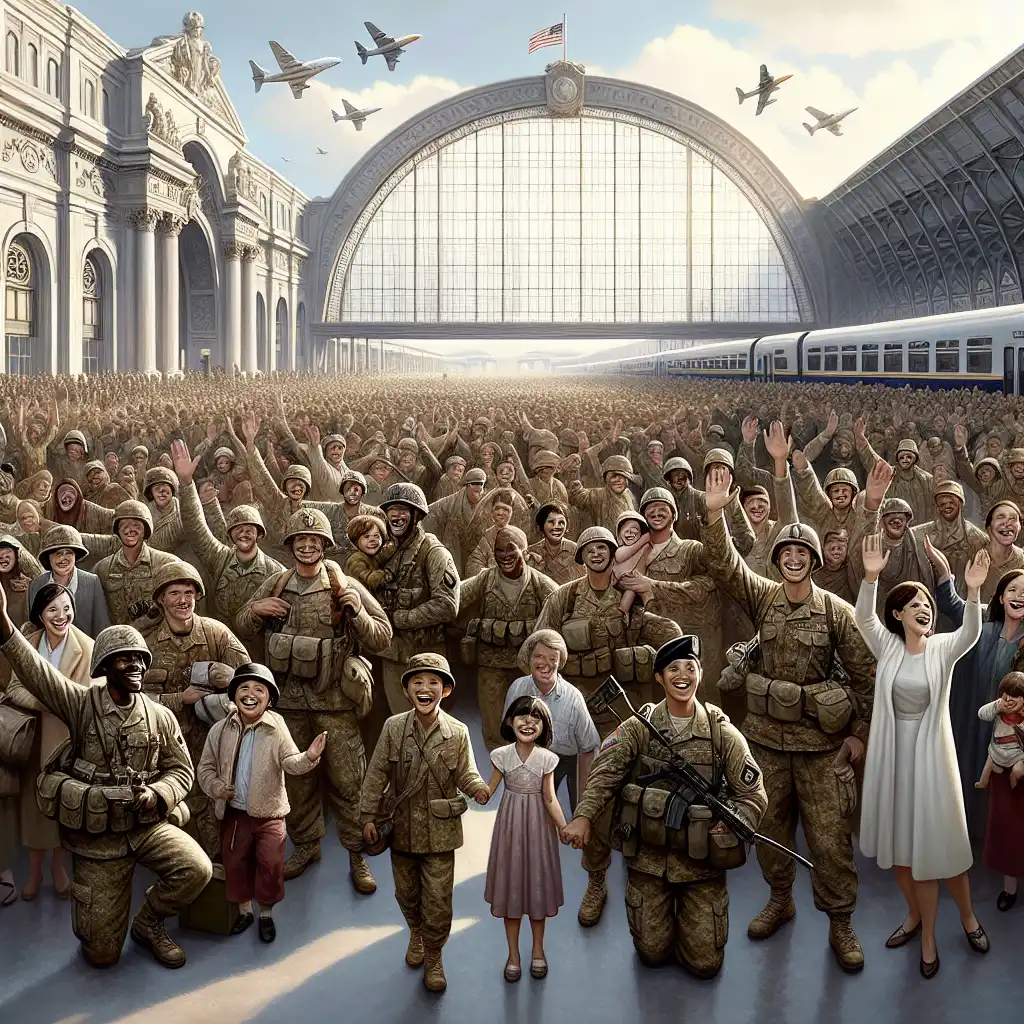
The process of sending soldiers home after a war has ended
After the war ended, the government began the demobilization of the army.
demobilization
diːˌməʊbələˈzeɪʃn
読み込み中…
diːˌməʊbələˈzeɪʃn
The process of sending soldiers home after a war has ended
After the war ended, the government began the demobilization of the army.
diːˌməʊbələˈzeɪʃn
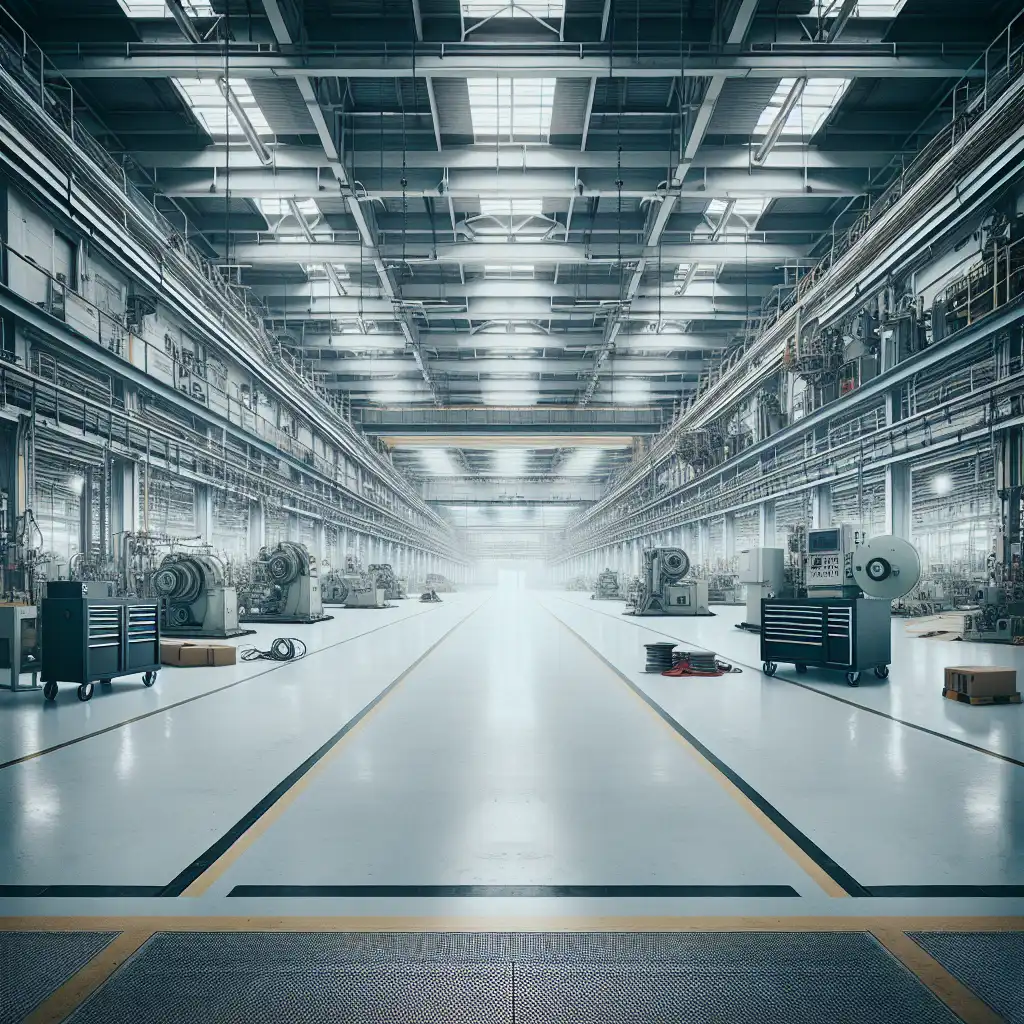
The process of ending or reducing the readiness of a group, system, or equipment for active use or service.
The factory's demobilization was completed in two weeks.
音声を読み込めませんでした。しばらくしてからもう一度お試しください。
Demobilization refers to the process of disbanding or dismantling a military force or organization. It typically happens when a war or conflict has ended and the soldiers are no longer needed. Demobilization can also refer to the process of reducing the size of a company or workforce after a period of growth or expansion. In both cases, demobilization involves a planned and orderly wind-down of operations, which can include the termination of contracts, the release of personnel, and the disposition of assets.
Disarmament, on the other hand, refers to the act of giving up or reducing the number of weapons or arms that a country possess.
Demobilization relates to soldiers leaving the military, while disarmament relates to a country giving up its weapons. Demobilization is applicable when a war or conflict ends and there is no more need for a large military presence.
Disarmament is applicable when countries want to reduce the chance of war and create a more peaceful world.
単語を開く: Disarmament →Disband means to break up or dissolve an organization, such as a military unit, political party, or social group, and cease its operations or existence altogether.
Demobilization is related to soldiers returning to civilian life, while disbanding is related to dissolving an organization.
Demobilization is usually done after a war or conflict, while disbanding can happen at any time when an organization is no longer needed.
単語を開く: Disband →Dismantle refers to the act of taking something apart or breaking it down into its components. This can apply to physical objects, such as machines or structures, or to abstract systems, such as organizations or institutions.
Demobilization is about people returning to their normal lives after being part of a group, while dismantle is about taking something apart or breaking it down into smaller pieces.
単語を開く: Dismantle →Demobilization refers to the process of disbanding or releasing troops, often after a war or military operation. It involves returning soldiers to civilian life and dismantling military infrastructure.
Ease refers to making something less difficult or burdensome.
It can be used in various contexts, such as easing someone's mind or easing a pain. It generally refers to making something less unpleasant or uncomfortable.
Ease can be applicable in everyday life situations.
単語を開く: Ease →Demobilization means the process of discharging soldiers from military service and sending them home after the end of a war, while reduce means to decrease or make something smaller in size or amount.
Reduce can be applied to different contexts, such as reducing the size of a recipe, the amount of money spent, or the number of employees in a company.
Simply put, demobilization is focused on military personnel, while reduce is a more general term that can be applied to different scenarios.
単語を開く: Reduce →Retirement typically refers to the end of a person's working career, usually after a certain age or number of years of service.
Demobilization is specifically related to military forces and the end of war, while retirement is a more general term related to the end of a person's working career.
単語を開く: Retire →Withdrawal usually refers to the act of removing military forces or troops from a specific location or area.
Demobilization is usually done once a conflict has ended, while withdrawal can occur during a conflict as a strategic maneuver or after a specific objective has been achieved.
On the other hand, during the Vietnam War, withdrawal occurred as the United States removed its troops from the conflict, but the war was not yet over.
Demobilization is applicable after a war or conflict has ended to reduce the size of a military force, while withdrawal can occur during or after a conflict and refers to removing military forces from a specific location.
単語を開く: Withdrawal →Jose Miguel Sokoloff:...
YouTube で見る ↗