
bivalve
noun bivalve
ˈbaɪvælv
A type of aquatic animal with a shell that is divided into two parts, like a clam or an oyster.
She was digging in the sand and found a bivalve, likely a clam.
bivalve
ˈbaɪvælv
Đang tải…
ˈbaɪvælv
A type of aquatic animal with a shell that is divided into two parts, like a clam or an oyster.
She was digging in the sand and found a bivalve, likely a clam.
ˈbaɪvælv
Having two shells, each of which is hinged at one edge.
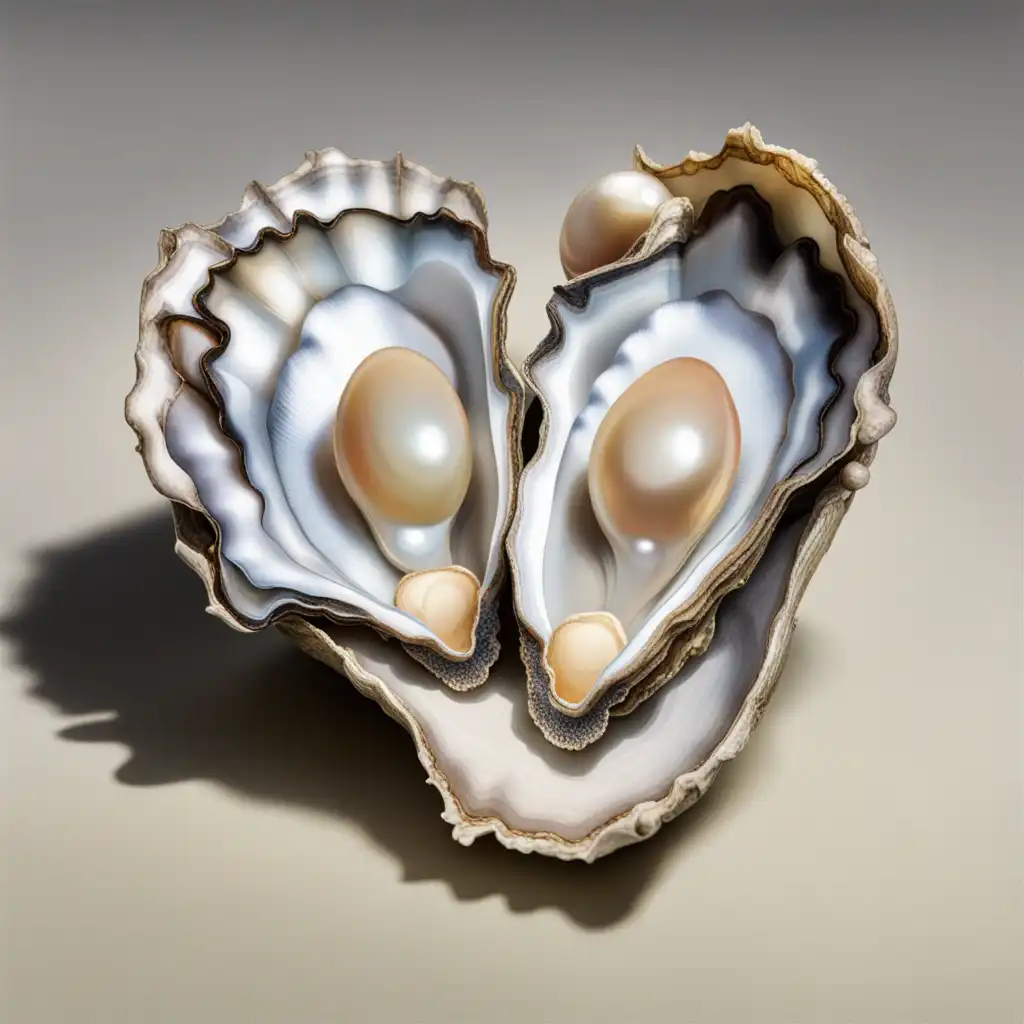
The oyster is a bivalve creature, its body protected by two hinged shells.
Không tải được âm thanh. Vui lòng thử lại sau.
The word 'bivalve' refers to a type of shellfish that has two parts to its shell, such as clams or oysters. You can use this word when you are talking about different types of seafood, or if you want to specifically describe something that has a two-part shell.
Clam is a type of bivalve that specifically refers to the family of mollusks called Clamidae. Therefore, all clams are bivalves, but not all bivalves are clams.
Clams are commonly eaten as seafood and are usually found inhabiting the ocean floor.
Mở từ: Clam →Cockle refers to a type of bivalve that is small in size and has a heart-shaped shell.
It is often found buried in sand or mud, typically in shallow coastal waters. Cockles are edible and commonly used in seafood dishes.
Bivalve is a general term for all mollusks with two shells, while cockle is a specific type of bivalve with a distinct heart-shaped shell.
Mở từ: Cockle →Bivalve refers to a type of shellfish that has a hinged shell with two parts, such as clams, oysters, and scallops. Mussel refers to a specific type of bivalve that has a similarly shaped hinged shell but is typically smaller and found in freshwater or saltwater environments.
Bivalve can refer to any shellfish with a two-part hinged shell, while mussel specifically refers to a type of bivalve that is often used in cooking and eaten as seafood.
Mở từ: Mussel →Bivalve is a type of mollusk that has a hinged shell made up of two parts. Oyster is a specific type of bivalve that is commonly eaten and cultivated for its meat.
So, all oysters are bivalves, but not all bivalves are oysters.
Bivalves can be found in both saltwater and freshwater habitats, while oysters are mainly found in saltwater habitats.
Mở từ: Oyster →Scallop is a specific type of bivalve that is characterized by its round, fan-shaped shell with scalloped edges.
So, all scallops are bivalves, but not all bivalves are scallops.
Both terms are applicable in the context of marine biology or seafood, as bivalves are commonly harvested for consumption and scallops are a popular type of shellfish.
Mở từ: Scallop →