embargo
noun embargo
ɪmˈbɑːrɡəʊ
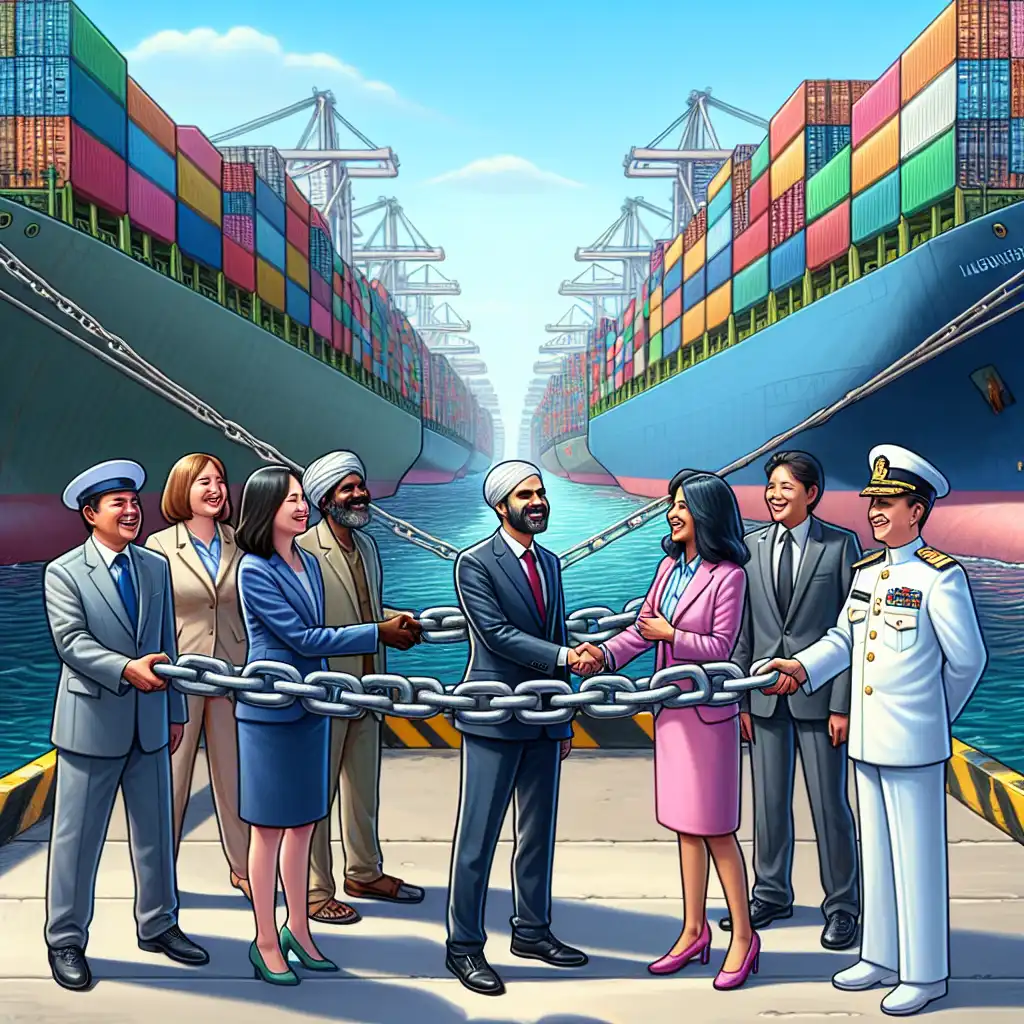
A law or order that forbids trade with another country.
The government has lifted the trade embargo with the neighbouring country.
embargo
ɪmˈbɑːrɡəʊ
Loading…
ɪmˈbɑːrɡəʊ
A law or order that forbids trade with another country.
The government has lifted the trade embargo with the neighbouring country.
ɪmˈbɑːrɡəʊ
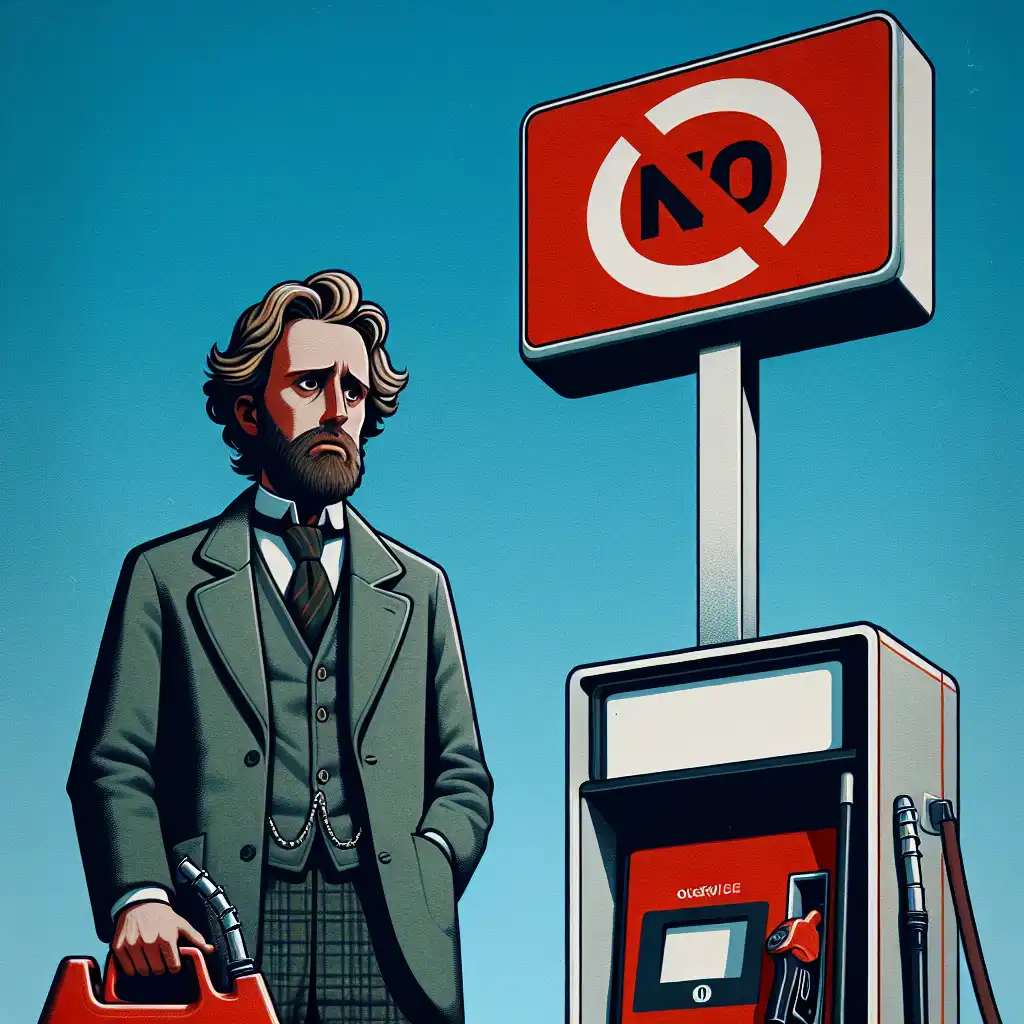
An official order that prevents something from happening.
There's an embargo on fuel in place due to the crisis.

ɪmˈbɑːrɡəʊ
In journalism, it refers to an agreement to not publish news until a specific date or event.
The press agreed to a news embargo until the company made its official announcement.
Audio could not be loaded. Please try again later.
An embargo is a ban or restriction on something, usually trade or communication, which prevents people from importing or exporting goods or services. This means that a country or organization might prevent others from buying or selling certain things. For example, an embargo might be put in place to restrict the trade of goods with another country for political or economic reasons. Embargo is a formal process that involves legal decisions and regulations, and can be imposed by governments or international organizations.
A ban is an official restriction or prohibition on something.
For example, there can be a ban on smoking in public places, which means that people are not allowed to smoke there.
An embargo is a type of ban that is specifically related to trade. It is a government-imposed restriction on the exchange of goods or services with a particular country or group of countries.
Ban and embargo are similar in that they both involve restrictions, but a ban can refer to a wide range of prohibitions while an embargo specifically refers to trade restrictions.
Bans can be imposed by a variety of organizations while embargoes are typically imposed by governments.
Open word: Ban →A blockade is a physical barrier placed to prevent access to a specific location. For example, during a war, one country might use a naval blockade to prevent enemy ships from entering their ports.
A blockade might also be set up around a building or other location to prevent people from entering or leaving.
A blockade physically prevents access to a location while an embargo restricts trade between countries. Blockades are used for military purposes while embargoes are political in nature.
Open word: Blockade →An inhibition is a psychological or emotional restriction or constraint placed on oneself or others.
It can be related to feelings of shyness, a lack of confidence, or a sense of unease. Inhibition is not related to government policy but rather refers to internal mental state.
Embargo is applied to international trade and politics, while inhibition is associated with personal emotional restrictions.
Open word: Inhibition →Interdiction refers to the act of prohibiting or blocking something, often related to stopping illegal activities such as drug trafficking or smuggling.
Embargo is applicable in the context of international trade and politics, while interdiction can apply to various situations where something needs to be stopped or prevented.
An example of interdiction is the efforts of law enforcement to stop the trafficking of drugs between countries.
Open word: Interdiction →Both embargo and prohibition are commonly used in the context of trade, but they have different meanings.
Prohibition refers to a government-imposed ban or restriction on certain activities, usually related to drugs, alcohol or other vices.
So, while an embargo restricts trade between countries, a prohibition restricts certain activities that the government deems harmful or illegal.
Open word: Prohibition →A restriction is a limit or rule that is put in place to control or regulate something.
It is usually applied to specific goods or activities rather than an entire country. For example, a government might place restrictions on the sale of certain weapons or limit the amount of pollution a factory is allowed to produce.
Whereas, a restriction is a limit or rule placed on specific goods or activities and is used to control or regulate them.
Open word: Restriction →Sanction refers to a penalty or punishment imposed by a government or an international organization on another country for violating a law or an agreement.
Sanctions can take many forms, such as freezing assets, banning individuals from traveling, or imposing tariffs on certain imports or exports.
Sanctions are imposed to put pressure on another country to change its behavior.
An embargo is a restriction on trade, while a sanction is a punishment for breaking a law or agreement. Embargoes are often used as a political tool to isolate a country, while sanctions are imposed to change a country's actions.
Open word: Sanction →So what did they find? Of course same thing. The scientific embargo -- a paper has been submitted to "Nature," hopefully it will be accepted. It deals with the state of compassion unconditional compassion.
Watch on YouTube ↗In 1963, the U.N. Security Council declared a voluntary arms embargo on South Africa. That was extended to a mandatory embargo in 1977. And that was followed by economic sanctions and other measures - sometimes officials, countries, cities, towns - some organized by popular movements.
the ground isn't even solid underfoot sin embargo apart el calor del clima not only is the air temperature sweltering but the targets are hot as well yay
Watch on YouTube ↗Well, I know that 500,000 children died in Iraq because of the embargo.
island in time and space a society trapped in one of the worst ideas of the 20th century a fierce economic embargo supported by ten US presidents from John
Watch on YouTube ↗Paradoxically, no such embargo exists for the drugs and therapies that have revolutionized the treatment of serious diseases although many of them were created with the same technologies.
Let's be honest: The trade embargo with Cuba hasn't secured our interests or helped the Cuban people. Because the way to promote positive change and better human rights in Cuba is through engagement, not isolation.
I think the most difficult thing that has had to happen in South Africa for the previously disadvantaged communities is they had to reconcile that the oppressor has been enriched and the establishment is now making five or 10 times more profit than they were during the time the economic embargo was on them.
Politics changes music most of the time. Ronald Reagan - you can kind of say that he made hip-hop what it was by the embargoes that he set. Certain things that he did created N.W.A in a way. Politics has always done that.
The U.S. embargo imposed on Nicaragua, rather than weakening the Sandinistas, actually maintained them in power.
The U.S. trade embargo on Cuba is almost completely ineffective, as many other countries, including the European Union, do not honor it.
When Colonel Gadhafi started using his air force against civilians on the ground, we did not hesitate. Then we supported the resolution of the Security Council, which introduced arms embargo for Libya.
When you look at the Lebanon-Syria border, you see a porous border despite the fact that you have a U.N. Security Council decision that speaks of an embargo on weapons transfers to Hezbollah.