outfield
noun outfield
ˈaʊtfiːld
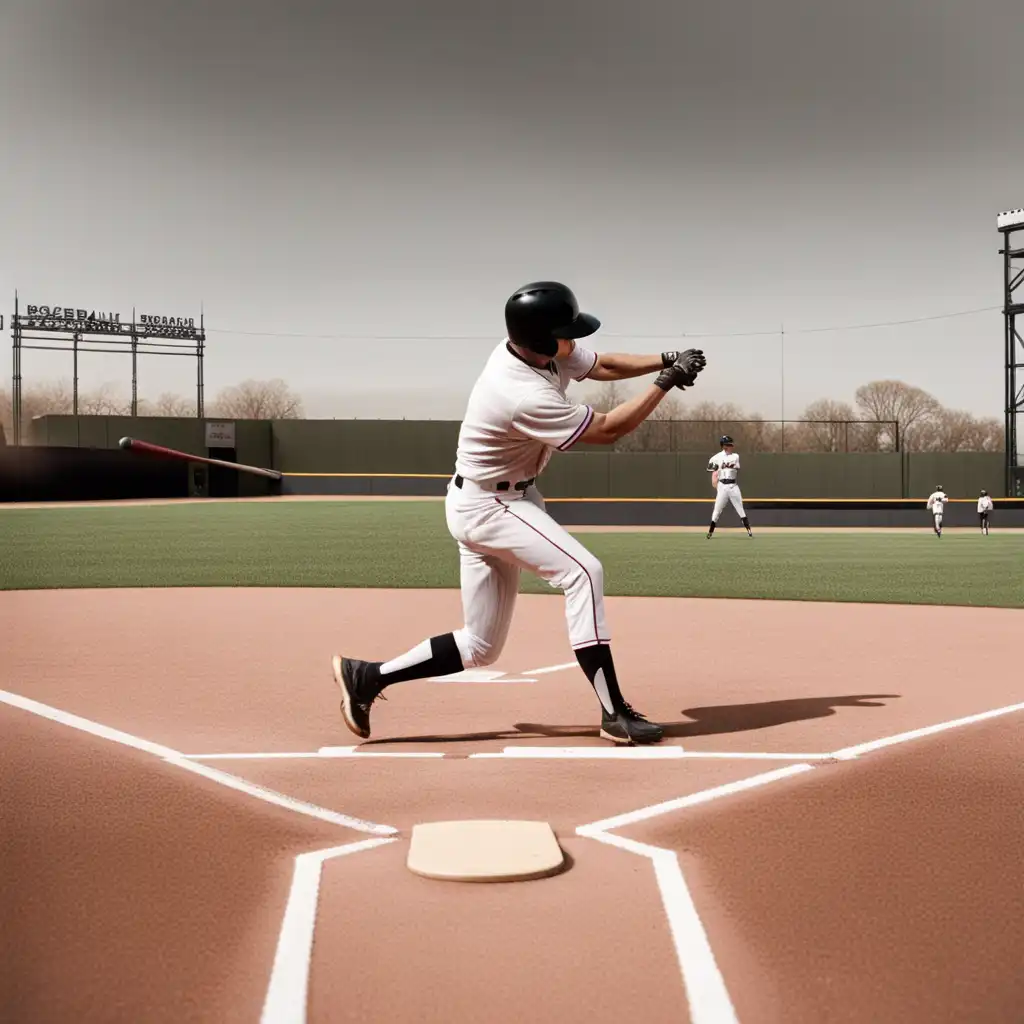
The part of a baseball field or a cricket ground furthest from the batsman.
He hit the ball into the far end of the outfield.
outfield
ˈaʊtfiːld
Đang tải…
ˈaʊtfiːld
The part of a baseball field or a cricket ground furthest from the batsman.
He hit the ball into the far end of the outfield.
ˈaʊtfiːld
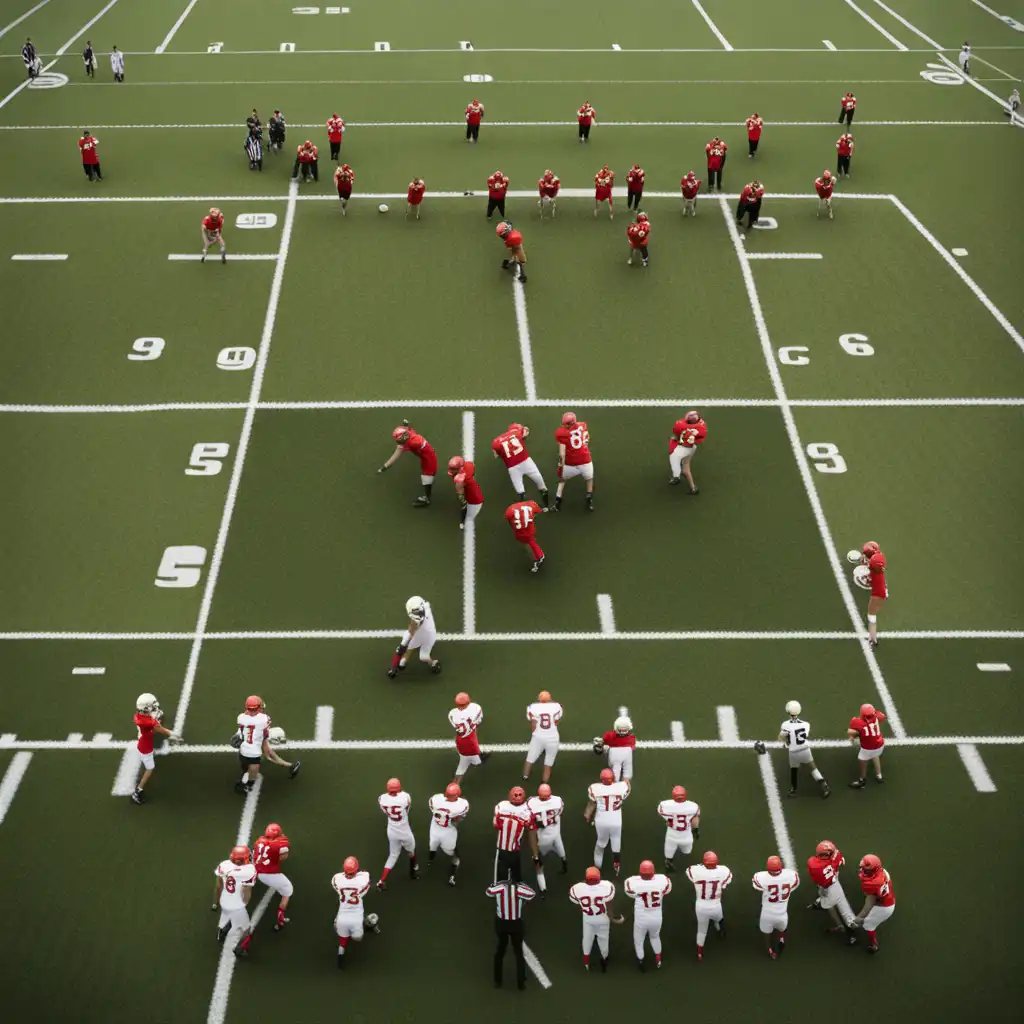
The part of a team in games like soccer or rugby that is not a goalkeeper.
He excelled both as a goalkeeper and an outfield player.
ˈaʊtfiːld
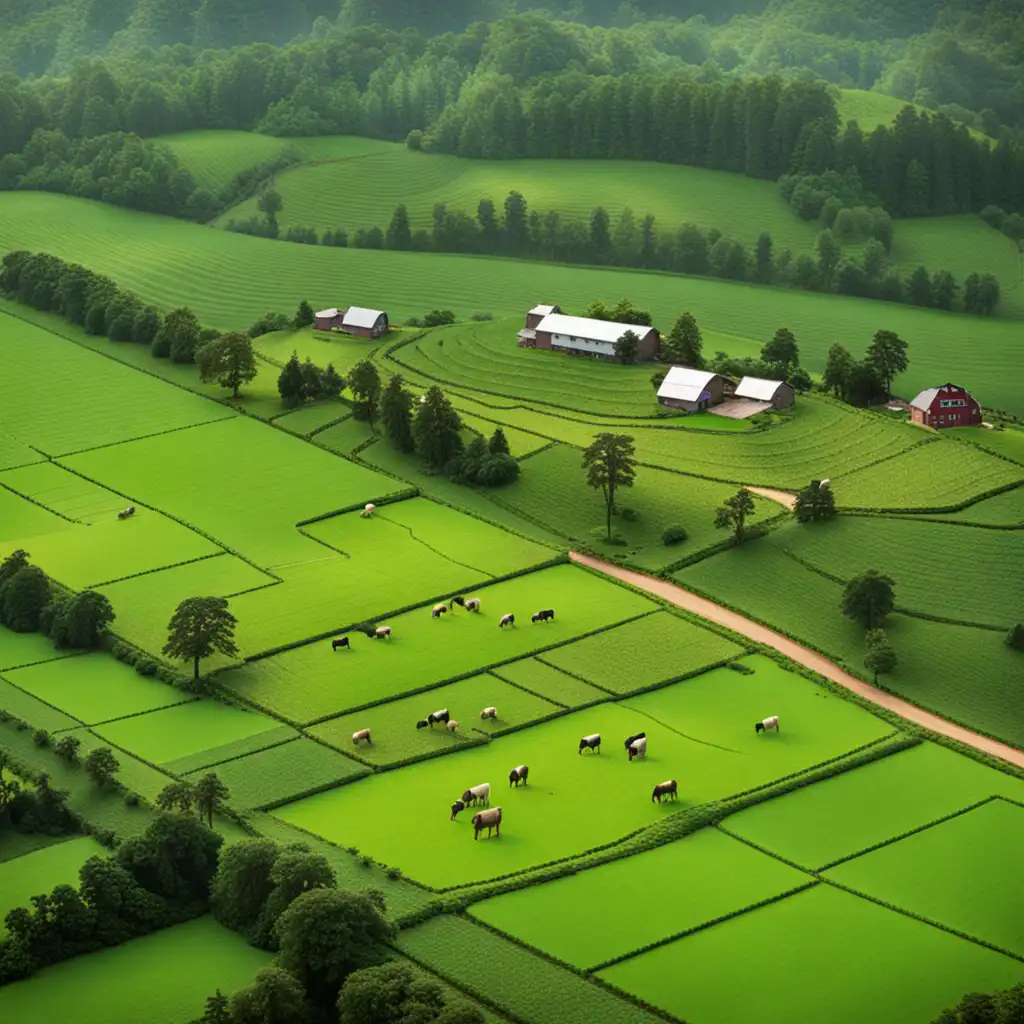
In farming, the less fertile land of a farm; land not in regular use for cultivation.
They let their cattle graze in the outfield during the warmer months.
Không tải được âm thanh. Vui lòng thử lại sau.
The word 'outfield' is typically used in sports like baseball or cricket to describe the part of the field that is farthest away from where the action is happening. In baseball, for example, the outfield is the area beyond the dirt part of the field where the players are running around. So if someone says "he hit the ball to the outfield," it means the ball went into that farthest part of the field. Overall, it's a way to describe a specific area of a sports field or court.
Arena typically refers to an enclosed space or building where a particular activity or sport is held, such as a hockey arena or basketball arena.
Arena refers to an enclosed space for an activity, while outfield is a specific area of a sports field.
Mở từ: Arena →Field can refer to any open space of land while the word outfield specifically refers to the area of the playing field beyond the infield (the inner part of the playing field).
In sports like baseball or cricket, the infield is where the action typically happens (where the pitcher throws the ball and where the batters hit it), while the outfield is where the ball goes after it's hit.
Field can refer to any part of the playing area while outfield is a more specific term used in certain sports to describe a specific area of the playing field.
Mở từ: Field →Ground refers to the entire playing surface of a sports field, including the areas within the boundary lines where the game is played.
In cricket, for example, the ground includes the pitch, which is the area directly in front of the wickets, as well as the surrounding outfield.
Ground refers to the whole playing surface, while outfield refers specifically to the areas beyond the boundary lines.
Mở từ: Ground →Pitch refers to the act of throwing a baseball or softball from the pitcher's mound towards home plate, where the batter attempts to hit it.
Outfield refers to a location on the field and pitch refers to an action performed by a player.
Mở từ: Pitch →A stadium refers to the entire facility where a sporting event is held, including the field (including the outfield), stands, concessions, parking, and other amenities.
A stadium can be used for multiple sports and events, while the outfield is specific to baseball and softball.
The outfield is a specific part of the playing field in baseball/softball, while a stadium is the entire facility that includes the outfield and other areas used for sports and events.
Mở từ: Stadium →Turf refers to artificial or synthetic grass used in sports fields, such as football or soccer.
In essence, outfield is natural grass, whereas turf is artificial grass. Outfield is applicable to baseball and softball fields, whereas turf is applicable to a wide range of sports fields that require a durable, even surface.
Mở từ: Turf →Noah Wilson-Rich: Every...
Xem trên YouTube ↗I've played the outfield my whole life. It's like riding a bike.
Birds vs. Crocodiles %\PIPE%...
Xem trên YouTube ↗The role of a goalkeeper in Pep's team is like the 11th outfield player on the pitch, in terms of the build-up, the pressing. I think it's more difficult. There is a bigger responsibility because you can't afford to make any mistakes. If you do, it probably ends in an opposition goal.
Every city needs healthy...
Xem trên YouTube ↗I pitched and I played the outfield.
Gee, its lonesome in the outfield. It's hard to keep awake with nothing to do.
With Bayern, we want a lot of ball possession and to control the play, so I operate sometimes like the 11th outfield player. Thus I am included a lot into the build-up play and have a lot of touches of the ball.
A goalkeeping unit is different from outfield; the psychology is different.
I played outfield in high school a little bit.
Switching to the outfield was the best break I ever got.
Sometimes keepers are looked at differently to outfield players.
At 21, I'm too young to be considered just a defensive outfielder.