
virago
noun virago
vɪˈrɑːɡəʊ
A loud, angry, and overly assertive woman
The neighbors could hear the virago next door yelling at her husband.
virago
vɪˈrɑːɡəʊ
Chargement…
vɪˈrɑːɡəʊ
A loud, angry, and overly assertive woman
The neighbors could hear the virago next door yelling at her husband.
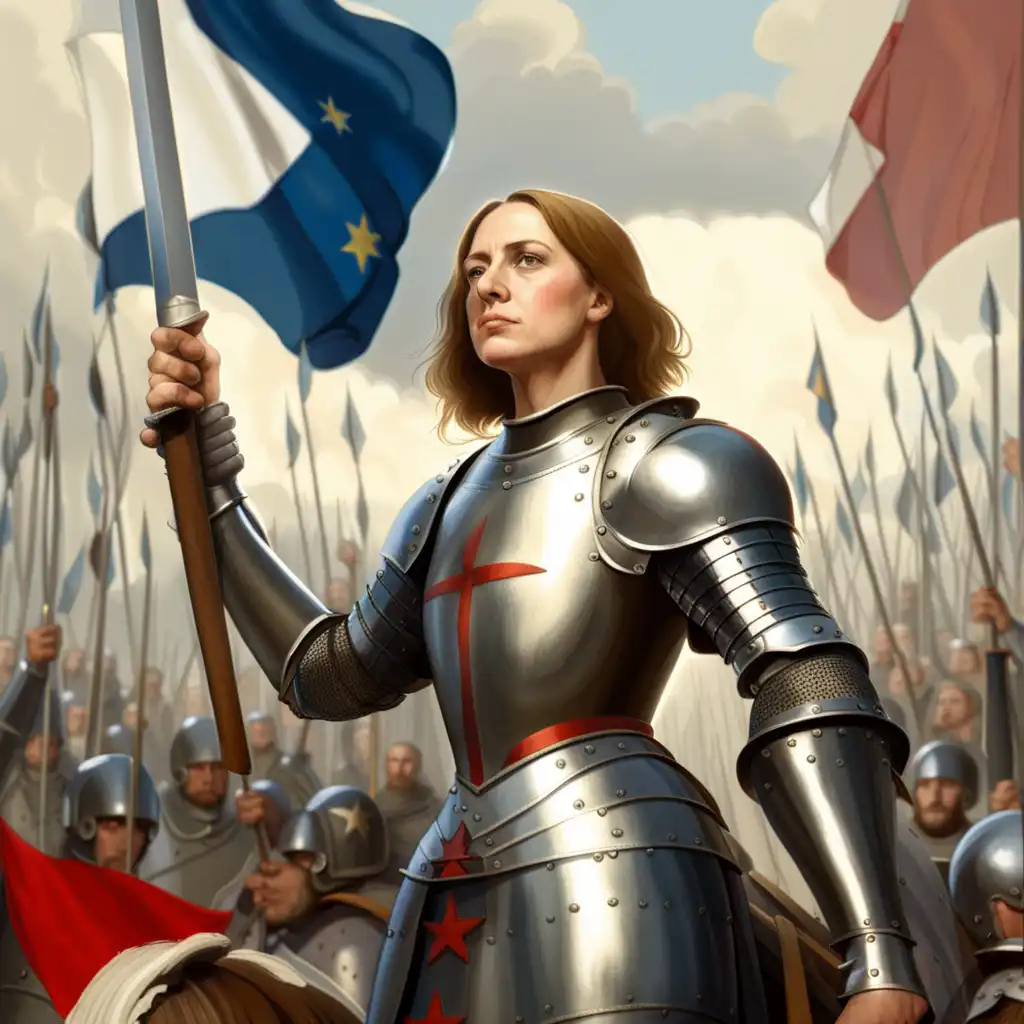
vɪˈrɑːɡəʊ
A woman of great strength and courage
Joan of Arc was seen as a virago who bravely led the French army during the Hundred Years' War.
Impossible de charger l’audio. Réessayez plus tard.
'Virago' is a word that means a strong, brave woman who is not afraid to speak her mind and fight for what she believes in. This word is often used in a positive way to describe women who are seen as powerful and inspiring. However, it can also be used in a negative way to criticize women who are seen as aggressive or argumentative. It is important to use this word carefully and in the appropriate context.
The word Amazon refers to a woman who is strong and courageous, often used to describe a heroic female warrior. On the other hand, Virago is a term used to describe a woman who is strong-willed and outspoken, often seen as aggressive or domineering.
An Amazon is typically used to describe a woman who is physically strong and capable, while a Virago usually describes a woman with a forceful personality.
Amazon is often associated with ancient Greek mythology, while Virago has a more negative connotation in modern language.
Ouvrir le mot: Amazon →Champion is a person who has won a competition or has achieved success in a particular field.
It usually describes someone who is brave, courageous, and skilled in a certain area. For example, a sports champion, a champion of human rights, or a champion of environmental causes.
Champion is a positive term while virago is usually seen as negative or outdated.
Ouvrir le mot: Champion →Fighter refers to someone who fights against something or someone, often in a physical or metaphorical sense.
Both of these terms apply to people who are strong in their own ways, but the term fighter is more positive and can apply to anyone who stands up for something, while virago is often used in a derogatory sense and is associated with negative stereotypes of women.
Ouvrir le mot: Fighter →Heroine and virago are two words that refer to women, but they have different meanings.
Heroine refers to a woman who is admired or celebrated for her courage, achievements, or noble qualities. For example, a heroine can be a protagonist in a book or a movie who saves others from danger or shows great bravery.
Heroine refers to a woman who is a positive role model and praised for her virtues, while virago refers to a woman who is seen as overly assertive or aggressive.
Ouvrir le mot: Heroine →However, shrew is a general term that can be applied to any nagging or bad-tempered woman. Whereas virago is a specifically strong and dominant woman who displays masculine traits and characteristics.
In other words, a virago is a type of shrew who is particularly bold and assertive.
Ouvrir le mot: Shrew →Both termagant and virago refer to a woman who is bossy or dominant in nature.
However, termagant has a negative connotation and implies that the woman is aggressive, quarrelsome, and nagging. Virago has a more neutral tone and simply describes a strong and assertive woman.
Termagant is used to criticize a woman's behavior, while virago describes a woman's character. Both words are now considered old-fashioned and are rarely used in modern conversations.
Ouvrir le mot: Termagant →Warrior generally refers to anyone, regardless of gender, who is skilled and courageous in battle or in fighting for a cause.
Warrior is a more broadly applicable term that can describe anyone who is skilled and brave in battle or fighting for a cause, and generally has a positive connotation.
Ouvrir le mot: Warrior →