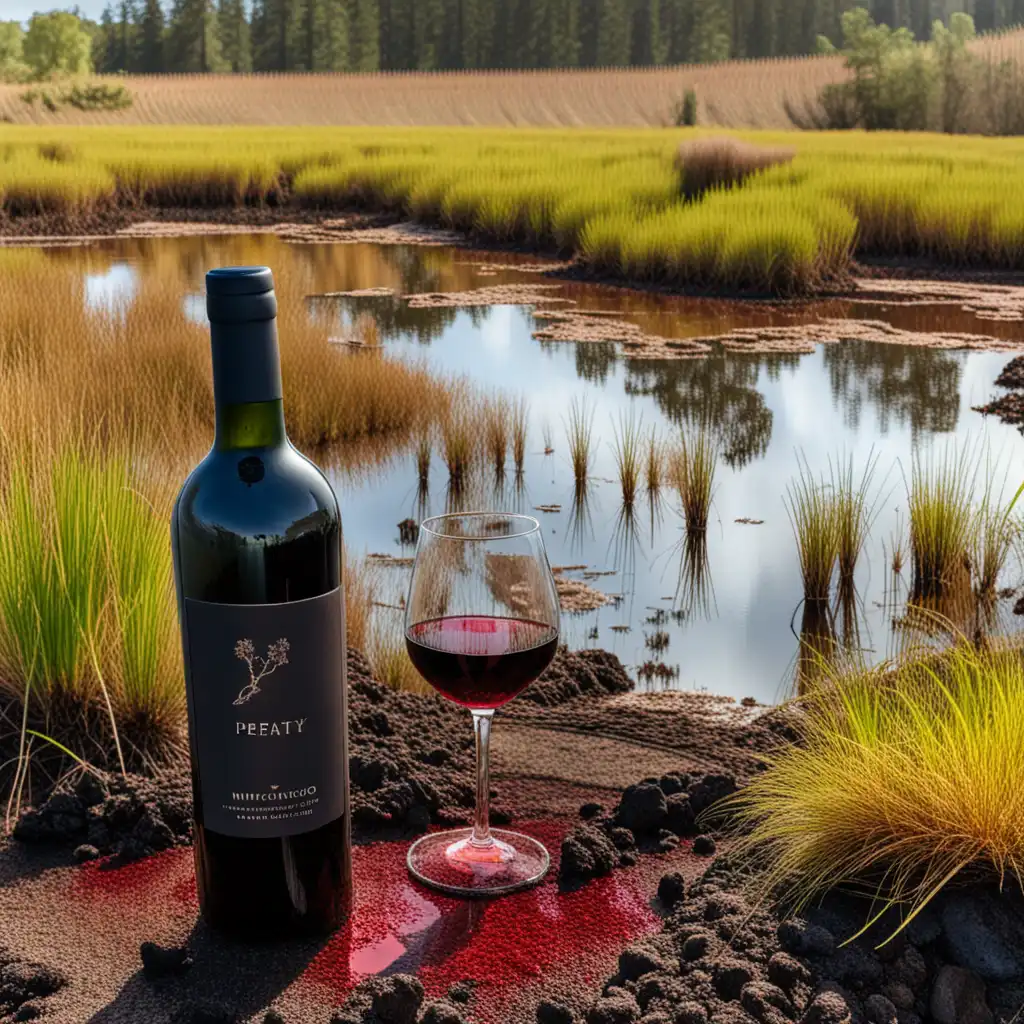
peaty
adjective peaty
ˈpiːti
Relating to or characteristic of peat. Peat is a kind of decomposed vegetation or organic matter that is formed in wetland conditions.
The wine has a peaty aroma.
peaty
ˈpiːti
Cargando…
ˈpiːti
Relating to or characteristic of peat. Peat is a kind of decomposed vegetation or organic matter that is formed in wetland conditions.
The wine has a peaty aroma.
No se pudo cargar el audio. Inténtalo de nuevo más tarde.
The word "peaty" is usually used to describe things that have a very strong smell or taste of the organic material called peat. Peat can be found in places like swamps or bogs, and it is often burned as a fuel. For example, if you're tasting whiskey and it has a strong, earthy flavor, you might say that it's "peaty." Similarly, if you're exploring a forest and you notice a strong, musky smell coming from the ground, you might describe it as "peaty." Overall, "peaty" is a way to describe something that has a distinctive, earthy, and sometimes overwhelming smell or taste.
Boggy describes soil or land that is waterlogged and soft.
Boggy refers to the state of the soil or land, while peaty describes the composition of the soil.
Abrir palabra: Boggy →Damp means wet or moist, usually due to the presence of water or humidity.
It can refer to an object or environment that is moist, such as a towel or a basement. Dampness can also cause mold or mildew to grow.
Damp describes the state of being wet or moist, while peaty describes a type of soil that is rich in organic matter.
Abrir palabra: Damp →Humid refers to the air being moist or damp while peaty refers to the soil or water having a characteristic smell or taste like that of peat moss.
Humidity is applicable when describing the atmospheric conditions, especially in the summer when the air can feel heavy and sticky.
Abrir palabra: Humid →Marshy refers to areas where the ground is soft and moist due to the presence of water. These areas usually have tall grasses and reeds growing on them.
In simpler terms, marshy land is characterized by wet and muddy grounds, and is home to plants that are adapted to these conditions, such as cattails and willows.
Marshy areas are often found near water sources, such as lakes and rivers, while peaty areas might not necessarily have much water.
Abrir palabra: Marshy →Moist refers to the state of being slightly wet or damp.
It can describe things like cake, soil, or even air that has a little bit of moisture in it. The word peaty describes something that is related to or contains peat, which is a type of soil made up of partially decayed vegetation.
Peaty soil is often found in wetland areas and can be used to fuel fires. Moist refers to the presence of water or dampness, while peaty refers to the type of soil or material being described.
Abrir palabra: Moist →Mucky and peaty refer to different types of soil.
Mucky soil is soil that is wet, dark, and often sticky.
It is usually a mixture of clay and organic matter like leaves or compost. Mucky soil is good for growing plants that like wet conditions, like rice or cranberries.
Peaty soil is soil that is made up of decomposed vegetation, often from peat bogs. It is lighter in color and texture than mucky soil, and it is often acidic.
Mucky soil is wet and suitable for plants that like water, while peaty soil is made from decomposed vegetation and is good for plants that need acidic soil.
Abrir palabra: Mucky →Sodden describes something that is thoroughly soaked or saturated with water. For example, clothes that have been left out in the rain may become sodden.
Peaty describes something related to peat or with peat-like qualities, while sodden describes something soaked or saturated with water.
Abrir palabra: Sodden →Swampy, on the other hand, refers to an area of land that is saturated with water and often covered in thick vegetation like trees, bushes, and tall grass.
Peaty describes soil or water with decomposed plant matter, while swampy describes a wetland area with thick vegetation.
Abrir palabra: Swampy →