Audio could not be loaded. Please try again later.
How to use
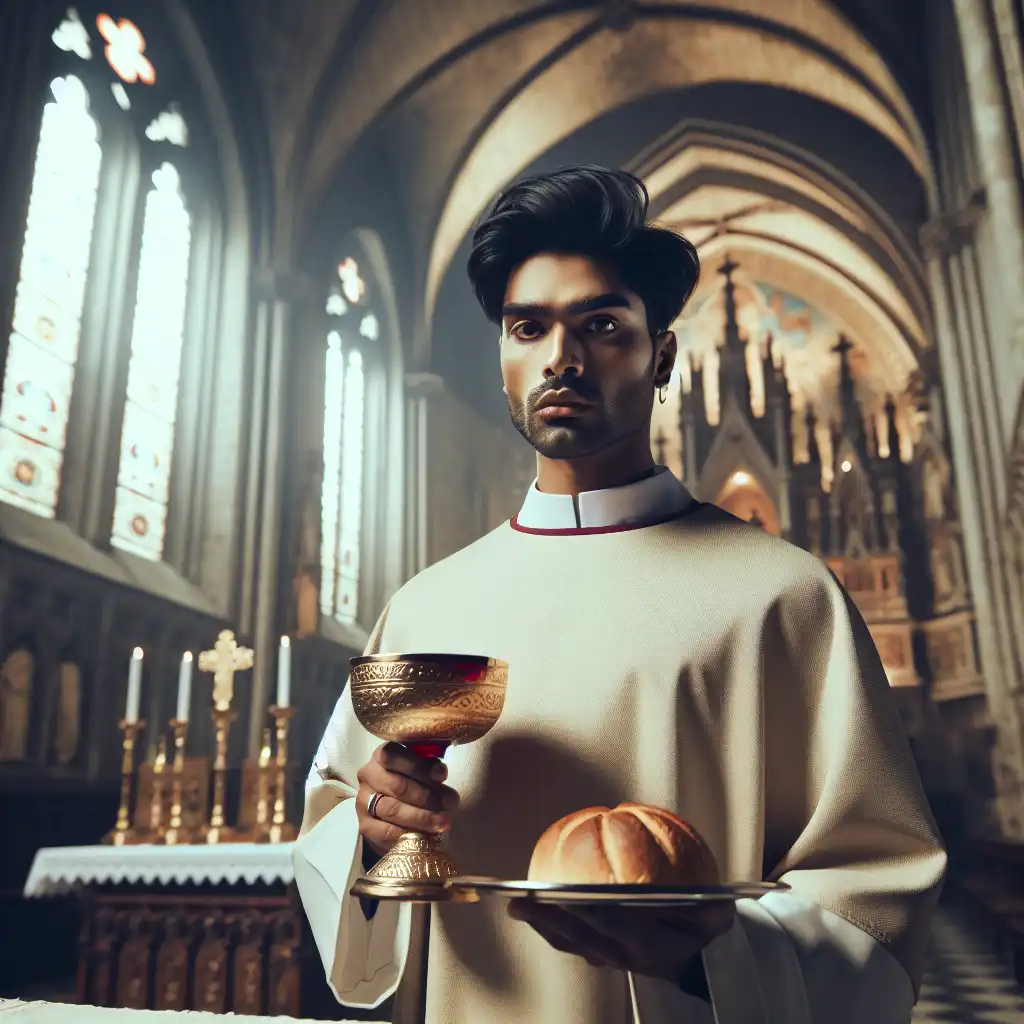
Transubstantiation is a concept used in the Christian religion, specifically in the Catholic Church. It refers to the belief that during the Eucharist (a sacred ritual where bread and wine are consecrated and consumed), the substance of the bread and wine is transformed into the body and blood of Jesus Christ, while their outward appearance remains unchanged. This means that to believers, the bread and wine become the actual body and blood of Christ. The term 'transubstantiation' is often used when discussing the Catholic doctrine of the Eucharist.
Communion refers to the act of taking part in a religious ceremony where bread and wine or grape juice are shared to represent the body and blood of Jesus Christ.
Transubstantiation is a specific belief within Catholicism that during the Communion ceremony, the bread and wine actually transform into the literal body and blood of Jesus Christ.
So, while Communion refers to the practice of sharing bread and wine as part of a religious ceremony, transubstantiation is a specific belief about what occurs during that ceremony.
Consecrate means to make something sacred or holy through a religious or ceremonial act.
It is often used in reference to consecrating a building, object, or person as holy or blessed by God.
Consecrate generally refers to making something holy, while transubstantiation is a specific religious concept related to the Eucharist in some Christian faiths.
Metamorphosis refers to a complete transformation or change in form, structure, or nature. It commonly describes physical changes, such as the transformation from a caterpillar to a butterfly, but can also refer to changes in personality or identity.
So, while both words describe transformation, metamorphosis is a broader term that can be applied to any type of change, while transubstantiation has a specific religious context.
Transform means to change the appearance, form or structure of something. For example, transforming a plain white shirt into a colorful tie-dye shirt.
Transubstantiation relates to a religious belief that during a particular ritual, the substance of bread and wine is transformed into the actual body and blood of Jesus Christ, while still retaining the appearance of bread and wine.
In other words, transforming refers to a physical change whereas transubstantiation involves a spiritual or metaphysical change.
Transform can be used in any context where there is a change in appearance or form but transubstantiation belongs in a specific religious context.
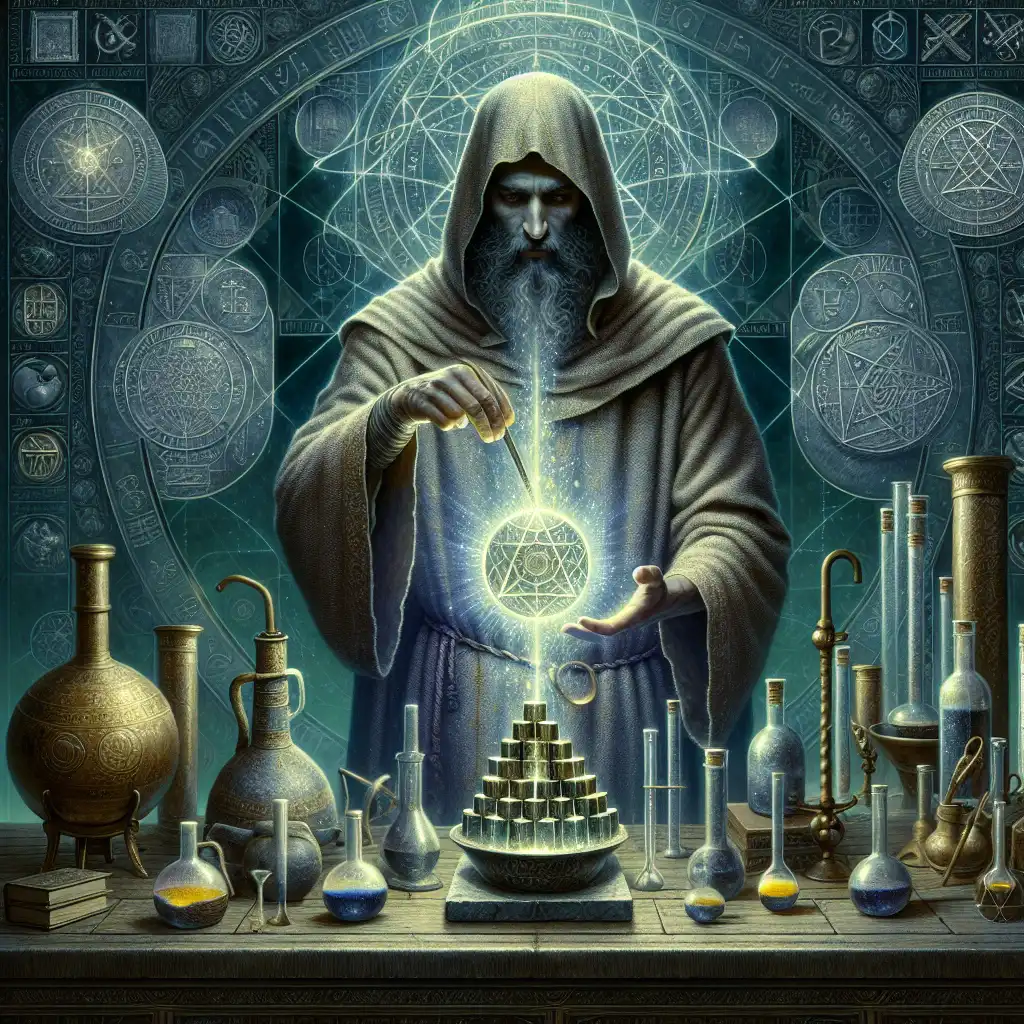
Transmutation refers to the process of changing one substance into another. This term is often used in science to describe the transformation of elements in nuclear reactions.
Transmutation is a scientific term that describes a physical transformation, while transubstantiation is a religious term that describes a spiritual transformation.
Neither was there any heresy, or diversity of opinion, or disputing about the matter, till the pope had gathered a council to confirm this transubstantiation: wherefore it is most likely that this opinion came up by them of latter days.
I was this Catholic kid, and I never really lost that. I loved the rituals of Catholicism. The mass is a magic ritual; it's a transubstantiation, and the stations of the cross - I mean, a crown of thorns? Getting whipped? It's punk rock.
When you grow up being taught to worship, whatever that means, there is an array of body-rich symbols: tears, blood, crucifixion, the stations of the cross, transubstantiation... Faith is a belief in something that is irrational, and so to have faith, there is some correlation there with the belief in the art.