inflection
noun inflection
ɪnˈflekʃn
A change in the form of a word that shows a change in tense, number, etc.
In the sentence, 'I wrote a book', 'wrote' is an inflection of 'write'.
inflection
ɪnˈflekʃn
Cargando…
ɪnˈflekʃn
A change in the form of a word that shows a change in tense, number, etc.
In the sentence, 'I wrote a book', 'wrote' is an inflection of 'write'.

ɪnˈflekʃn
A change in the pitch or tone of a person's voice
Her inflection showed that she was really upset.
ɪnˈflekʃn
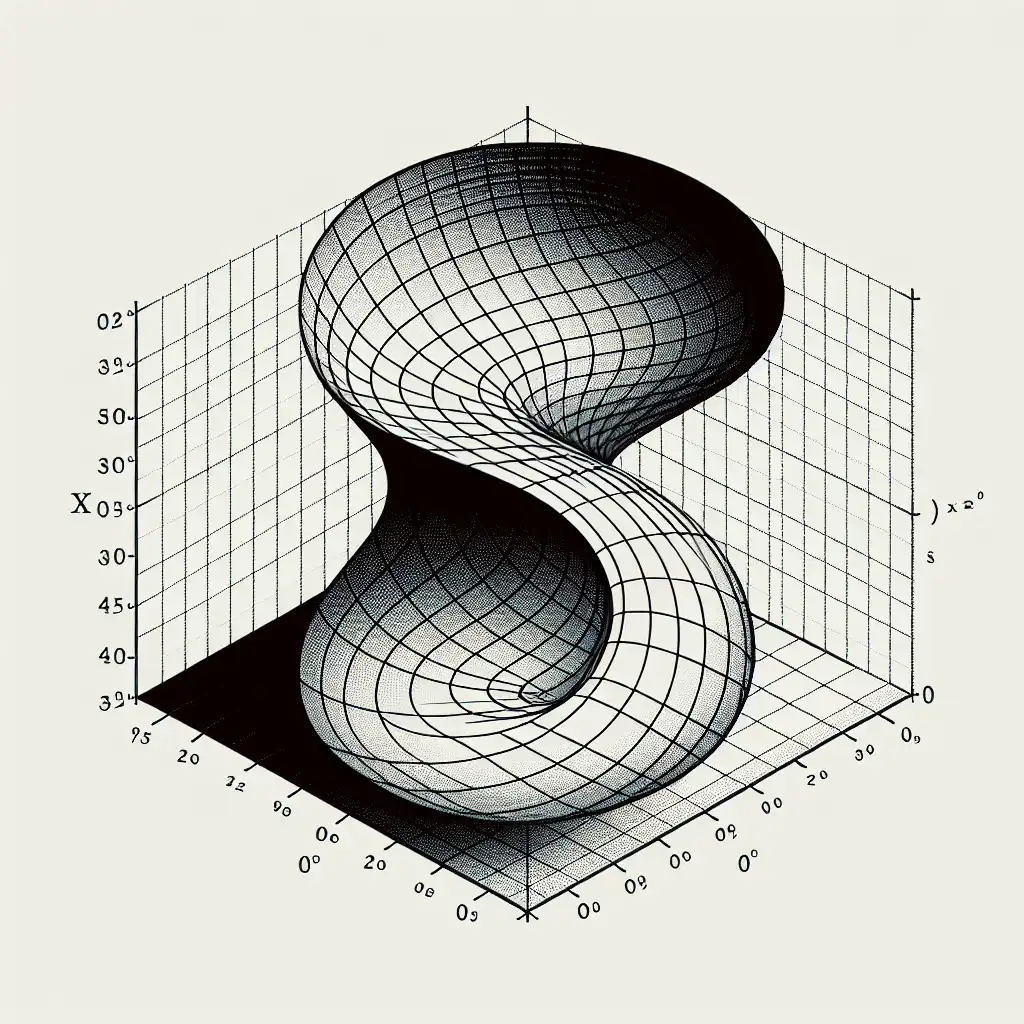
In mathematics, a point on a curve where it changes from being concave up to concave down or vice versa
The graph of the function has its inflection point at (0,0).
No se pudo cargar el audio. Inténtalo de nuevo más tarde.
For an English learner, 'inflection' refers to the changes made in the tone or pitch of a word in order to show different meanings or emotions. It's helpful to know the different inflections that are used in conversation. For example, when asking a question, the tone of voice rises at the end, while a statement has a falling tone. Inflection can also refer to the changes made in the ending of a word to show its tense, like adding -ed to indicate past tense. Understanding inflection can help you communicate more clearly and express your feelings and intentions in a conversation.
Accentuate means to emphasize or highlight a particular feature, while inflection refers to the rise and fall of the tone of someone's voice when speaking a language.
Accentuate is applicable when you want to draw attention to something specific that you want people to notice. For example, wearing a bright red shirt can accentuate your confidence and make you stand out in a crowd.
Abrir palabra: Accentuate →Cadence refers to the rhythm or flow of a particular language or piece of speech. It denotes the rise and fall of the pitch and speed of spoken words.
Both cadence and inflection are applicable in spoken communication, such as in public speaking, conversation, or theatrical performance.
Cadence represents the overall flow or rhythm of a spoken message, while inflection represents the specific pitch or tone variations that can be used to convey meaning or subtleties.
Abrir palabra: Cadence →Intonation refers to the overall pattern of pitch and tone within a sentence or phrase.
It can convey information about the speaker's attitude, the structure of the sentence, and the intended meaning. For example, a rising intonation at the end of a sentence can signal a question or uncertainty, while a falling intonation can indicate a statement or conclusion.
Inflection is about individual words or syllables, while intonation is about the overall melody of a sentence or phrase.
Abrir palabra: Intonation →Modulate refers to deliberately adjusting or controlling the tone, pitch, or volume of one's voice, as well as musical instruments or other devices.
Inflection refers to natural variations in one's voice, while modulate refers to intentional changes made to one's voice or other sounds.
Abrir palabra: Modulate →Pitch refers to the highness or lowness of a sound.
It is often used in music to refer to a specific note or tone, but can also refer to the tone of speech. For example, a high-pitched voice may convey excitement or stress, while a low-pitched voice may convey seriousness or calmness.
Inflection refers to the changes in tone or stress within a sentence to convey meaning or intent, while pitch refers to the highness or lowness of a sound, which can also convey emotions or moods.
Abrir palabra: Pitch →Prosody is a broader term that refers to the overall rhythm and intonation of speech. It encompasses factors such as tone, stress, and pacing, and is important in conveying meaning and emotion through speech.
In simpler terms, inflection refers to specific changes in someone's voice while prosody refers to the overall way that someone speaks.
Inflection is more applicable in specific moments of speech, such as asking a question or emphasizing a word, while prosody is important in conveying the mood and message of a speech as a whole.
Abrir palabra: Prosody →Inflection and stress are both linguistic concepts that refer to the way we use our voice to convey meaning.
Stress refers to the emphasis placed on a particular syllable or word in a sentence. In stressed syllables or words, we use more force, duration, or pitch than in unstressed syllables or words.
Stress can also be used to convey meaning and to give emphasis to certain words in a sentence.
Inflection is the rise and fall of pitch in the voice, while stress is the emphasis placed on a syllable or word. Both are used to convey meaning and to give emphasis to words in spoken language.
Abrir palabra: Stress →Inflection refers to the way a person changes the pitch or tone of their voice while speaking to convey different meanings or emotions.
Tone refers to the attitude or mood conveyed through language or writing.
Tone can be friendly, sarcastic, formal, or happy, among others.
Tone is applicable in writing, such as in an essay or article.
Inflection is the modulation of the voice while tone is the attitude conveyed through language or writing.
Abrir palabra: Tone →Why you should define...
Ver en YouTube ↗I've got my own style on the guitar, sure, and I play rhythm in a certain way, and I use certain inflections. People have said that to me, and I understand it.
Aphasia: The disorder...
Ver en YouTube ↗Uber was probably the perfect inflection point of a world that is changing so fast in terms of consumers that are... pushing that button and using the mobile phone as the remote control for their life.
Learning to Speak Turkey...
Ver en YouTube ↗It's very hard to come across as a passionate human being in print. People can't hear the inflections in your voice.
What is Technological...
Ver en YouTube ↗When we had segregated schools and when we had a time when, you know, girls weren't allowed to have the same kind of sports teams - I mean, there have been important inflection points for the federal government to get involved in some of the areas around protecting students and ensuring safe environments for them - there is a role to play.
A lesson in classical...
Ver en YouTube ↗You could make any song sound creepy if you wanted. It's all about the inflection.
3 clues to understanding...
Ver en YouTube ↗In the studio the director controls the actor's every move, every inflection, every expression.
What AI is -- and isn't...
Ver en YouTube ↗In the 1960s, there was a forward way of speaking and inflection.
What to trust in a...
Ver en YouTube ↗When you are interviewing someone, don't just write down what he says. Ask yourself: Does this guy remind you of someone? What does the room feel like? Notice smells, voice inflection, neighborhoods you pass through. Be a cinematographer.
The Year in Ideas: TED...
Ver en YouTube ↗I have good voice inflection, that's why I'm good on radio. But on TV, I look too big because I move my hands around a lot.
Josh Giegel: Super...
Ver en YouTube ↗I always had a problem when I did the audio books myself because they weren't made to have me doing all the voices. And to hear established actors, and you think, 'Wow, that sounds like it's supposed to sound,' is great. They've got the right inflections, which is an enormous skill.