weir
noun weir
wɪr
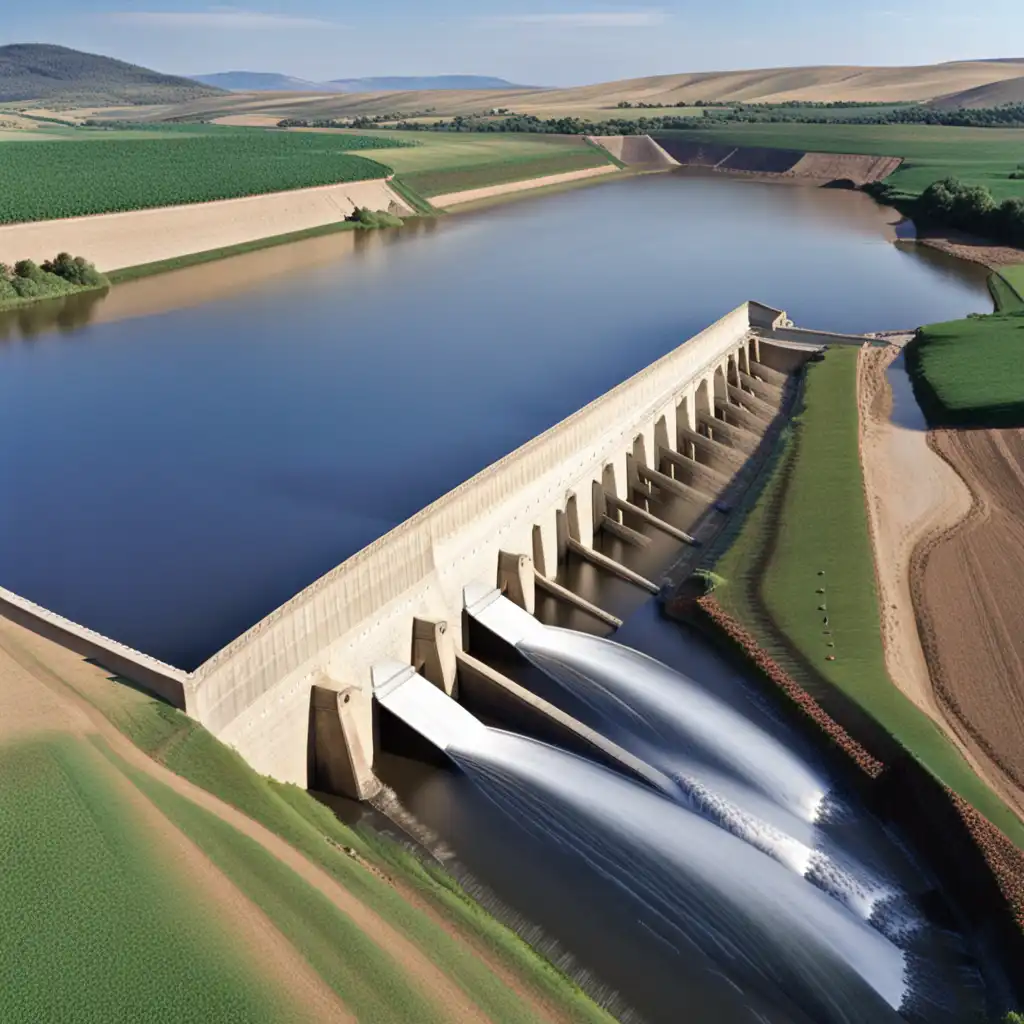
A low dam built in a river to control the water flow.
They built a weir across the river to ensure that there was a consistent water supply for the town.
weir
wɪr
加载中…
wɪr
A low dam built in a river to control the water flow.
They built a weir across the river to ensure that there was a consistent water supply for the town.
wɪr
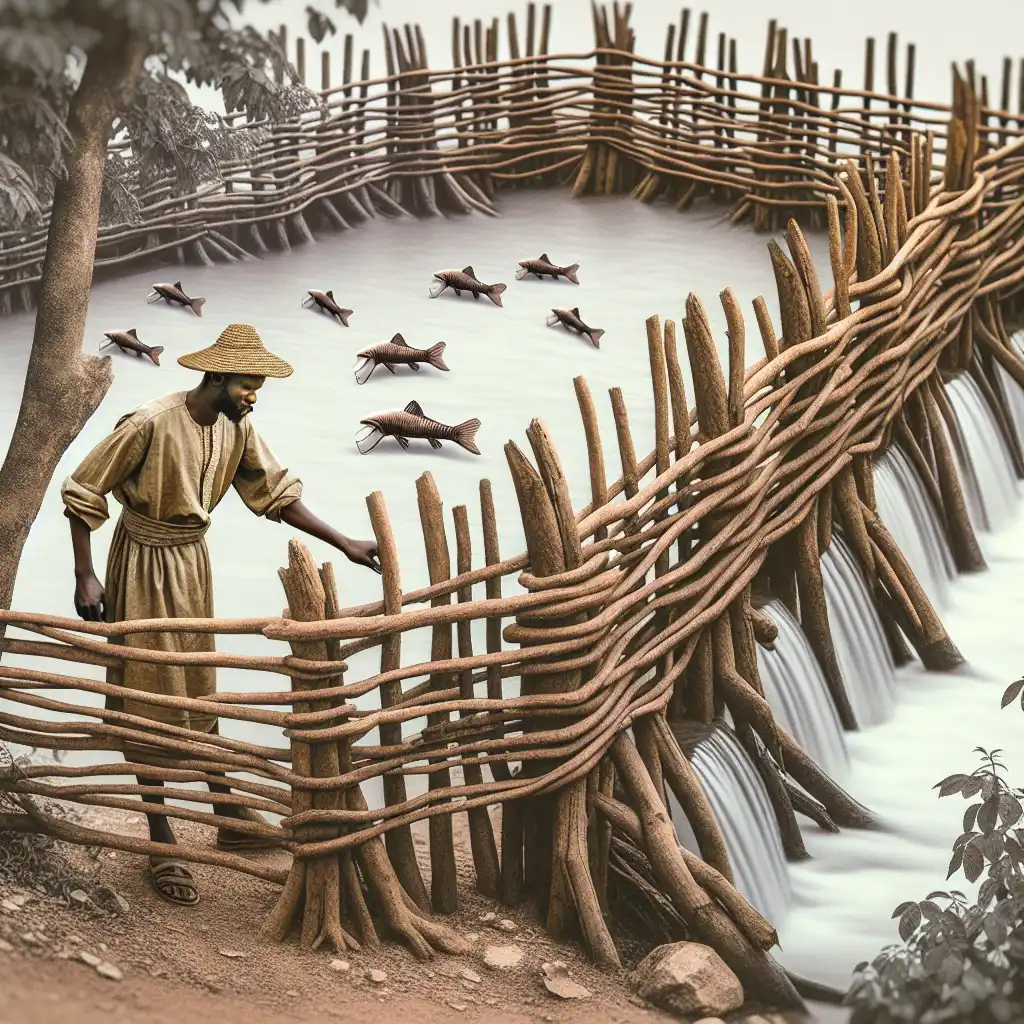
A fence or enclosure set in a waterway for catching fish.
Older civilizations used a weir to catch fish from the river.
音频无法加载,请稍后再试。
A weir is a small and low dam that is usually built in a river or a stream to control the flow of water. It is used to store water, divert it to other areas, or measure its quantity for irrigation or other purposes. Weirs can also create fish habitats or prevent fish from swimming upstream. The word 'weir' is commonly used when talking about water management or rivers and streams.
A barrage is a structure built across a river or other watercourse to control the flow of water. It provides a barrier that can be opened or closed to regulate the flow of water or generate hydroelectricity.
Barrages can also be used to prevent flooding and increase irrigation for farming.
A barrage is a larger structure used to control and regulate the flow of water, while a weir is a smaller structure that is used to regulate flow or to create a pool of water.
打开单词: Barrage →A causeway is a raised road or path over water or low-lying ground.
A causeway is often made of dirt or stone and is sturdy enough to support vehicular traffic.
A causeway is a raised path over water or wetlands, while a weir is a barrier built across a river or stream to control the flow of water.
打开单词: Causeway →A dam is a solid barrier constructed across a river or stream to create a reservoir or to control the flow of water.
A dam is a large structure to store and control water flow, while a weir is a smaller structure that normally diverts or measures the water flow.
打开单词: Dam →Dyke and weir are both structures used in water management.
A dyke, also known as a levee or embankment, is a wall built to confine or control water.
Dykes are used in low-lying areas or areas near bodies of water where flooding is a risk.
A dyke is a structure built to control or prevent the flow of water, while a weir is built to control the flow and raise the water level in a river or stream.
打开单词: Dyke →An embankment is a wall or a mound of earth built to hold back water.
An embankment is used to hold back water and prevent flooding, while a weir is used to regulate water flow and create a small waterfall.
打开单词: Embankment →A levee is a man-made embankment that is built along a river to prevent flooding.
Levees are used to protect areas of land from flooding, while weirs are used to control the flow of water in a river. Levees are commonly used in areas where there is a risk of flooding, such as near rivers or coastlines.
打开单词: Levee →A lock is a structure used to raise or lower boats between two different water levels in a canal or a river. It consists of a chamber with gates at either end that allow boats to enter and exit.
The water level inside the chamber can be raised or lowered to match the water level on the other side of the lock.
A lock is applicable in a canal or a river to raise or lower boats between different water levels, while a weir is applicable in a river or a stream to raise the water level or divert the flow of water.
打开单词: Lock →A reservoir is a human-made or natural lake that stores water for later use, such as providing water for drinking, irrigation, and power generation.
In simpler terms, a reservoir is a large container that holds water, while a weir is a barrier that controls the flow of water.
A reservoir is used to store water for future use, while a weir is used to regulate the flow of water in a river or channel.
打开单词: Reservoir →Are Birds as Smart as...
在 YouTube 上观看 ↗Because of the Thames I have always loved inland waterways - water in general, water sounds - there's music in water. Brooks babbling, fountains splashing. Weirs, waterfalls; tumbling, gushing.
6 big ethical questions...
在 YouTube 上观看 ↗