
emulsify
verb emulsify
ɪˈmʌlsɪfaɪ
To mix two or more liquids together that usually don't combine easily
In cooking, oil and vinegar are often emulsified to make salad dressings.
emulsify
ɪˈmʌlsɪfaɪ
लोड हो रहा है…
ɪˈmʌlsɪfaɪ
To mix two or more liquids together that usually don't combine easily
In cooking, oil and vinegar are often emulsified to make salad dressings.
ɪˈmʌlsɪfaɪ
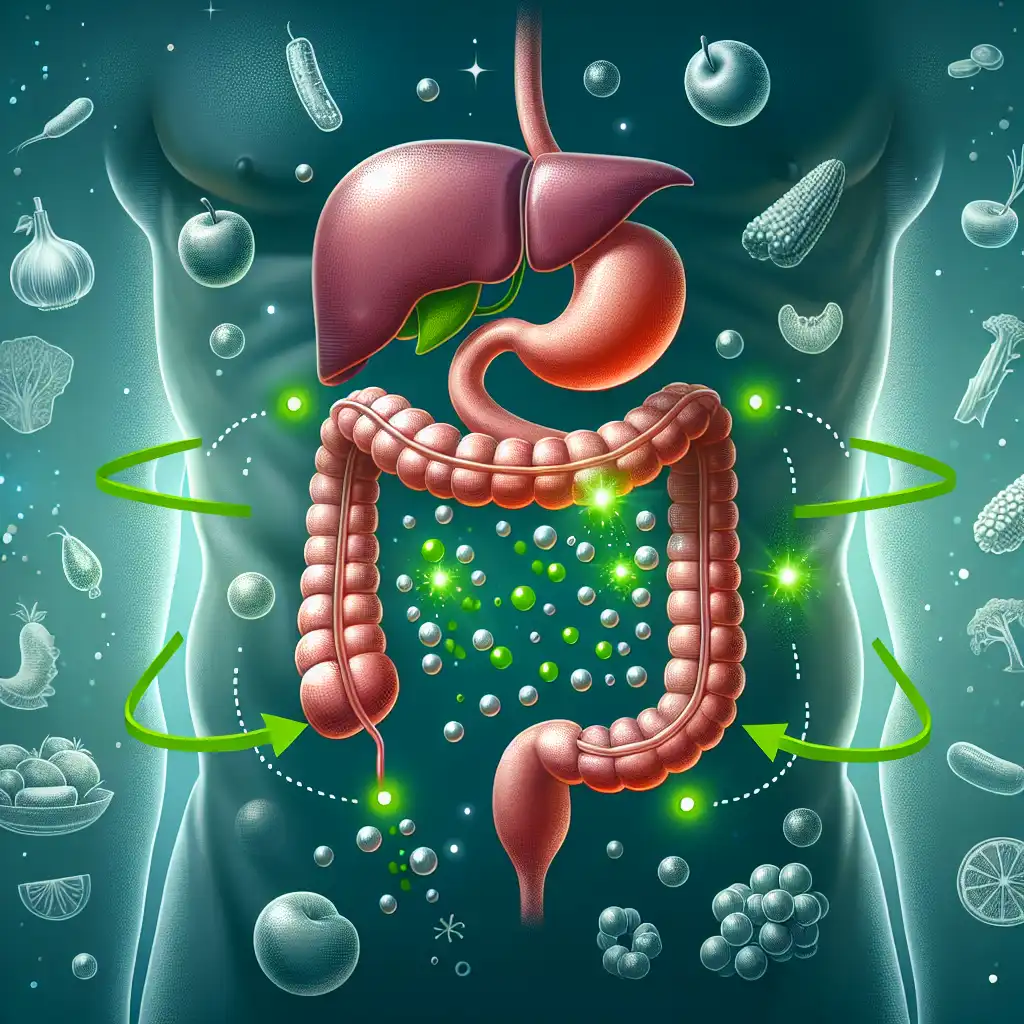
To break up fats and oils into tiny droplets
The bile in our body helps to emulsify fats during digestion.

ɪˈmʌlsɪfaɪ
To make a stable suspension of droplets of one liquid in another
In the lab, we used an emulsifier to emulsify the oil and water sample.
ऑडियो लोड नहीं हो सका। कृपया बाद में फिर कोशिश करें।
The word 'emulsify' describes the process of mixing two liquids that don't normally mix well, such as oil and vinegar in a salad dressing, so that they create a smooth and uniform mixture. This can be achieved by using a blender or whisk to break up the larger droplets of one liquid into small droplets that can disperse evenly throughout the other liquid. Emulsifying is often used in cooking and cosmetic products to create smooth textures and consistency.
Blending is when you mix two or more ingredients together to form a uniform mixture, like when you stir ingredients in a bowl.
Blending is applicable when you want to mix ingredients that are already compatible or don't need to be perfectly combined, while emulsifying is applicable when you want to create a smooth and consistent mixture out of ingredients that don't typically mix well together.
शब्द खोलें: Blend →Coalesce means to come together to form one mass or whole.
This word is typically used when talking about things like liquids, gases, or even ideas. For example, when drops of water join together to form a puddle, we could say that the drops have coalesced.
Coalesce is used when things come together to form a whole, while emulsify is used when mixing two or more substances that don't usually mix together.
शब्द खोलें: Coalesce →The main difference between the words combine and emulsify is the level of mixing involved. Combine means to bring two or more things together without necessarily blending them evenly or making a uniform mixture.
For example, if you mix blue and red paint, you can say that you combined them, but you will still see distinct patches of blue and red.
Combine is a general term to describe bringing different things together, while emulsify specifically refers to creating a uniform mixture of two or more liquids that don't normally mix, using an emulsifier.
शब्द खोलें: Combine →Commingle means to mix together two or more substances so that they become one mixture. For example, when you mix water and sugar, they commingle to create a sweet solution.
Commingle means to mix things together, while emulsify means to mix things together that don't naturally mix.
Commingle is applicable in situations where you want to mix substances that are similar or already mix together easily.
शब्द खोलें: Commingle →Disperse means to scatter or spread out something that is in a more concentrated form. For example, dispersing ink into water: the ink spreads out and is no longer concentrated in one spot.
In summary, dispersing means spreading out a concentrated substance, while emulsifying means mixing two liquids that wouldn't mix otherwise.
शब्द खोलें: Disperse →Fuse refers to the process of joining two solid objects together by melting them or applying heat and pressure. For example, when two pieces of metal are welded together, they are fused into a single piece.
Emulsify is used when talking about mixing liquids together, while fuse is used when talking about joining solid objects together.
शब्द खोलें: Fuse →Integrate refers to the process of combining two or more things into a single entity. This can refer to blending different ingredients together to create a homogeneous mixture, like when you mix flour, sugar, and eggs to make cake batter.
Emulsify is used when you need to mix two immiscible liquids together while integrate is used more broadly when bringing together different entities, whether they are physical substances or abstract ideas or people.
शब्द खोलें: Integrate →Mixing simply means combining two or more substances together, whereas emulsifying involves combining two immiscible substances (substances that do not dissolve into each other, such as oil and water) into a stable mixture.
In summary, mixing is applicable when you want to combine substances that are compatible and will dissolve into each other (such as sugar and flour), while emulsifying is needed when you want to combine substances that do not dissolve into each other (such as oil and vinegar in salad dressing).
शब्द खोलें: Mix →