
superabundance
noun superabundance
ˌsuːpərəˈbʌndəns
An extremely large quantity of something
The region has a superabundance of natural resources.
superabundance
ˌsuːpərəˈbʌndəns
불러오는 중…
ˌsuːpərəˈbʌndəns
An extremely large quantity of something
The region has a superabundance of natural resources.
ˌsuːpərəˈbʌndəns
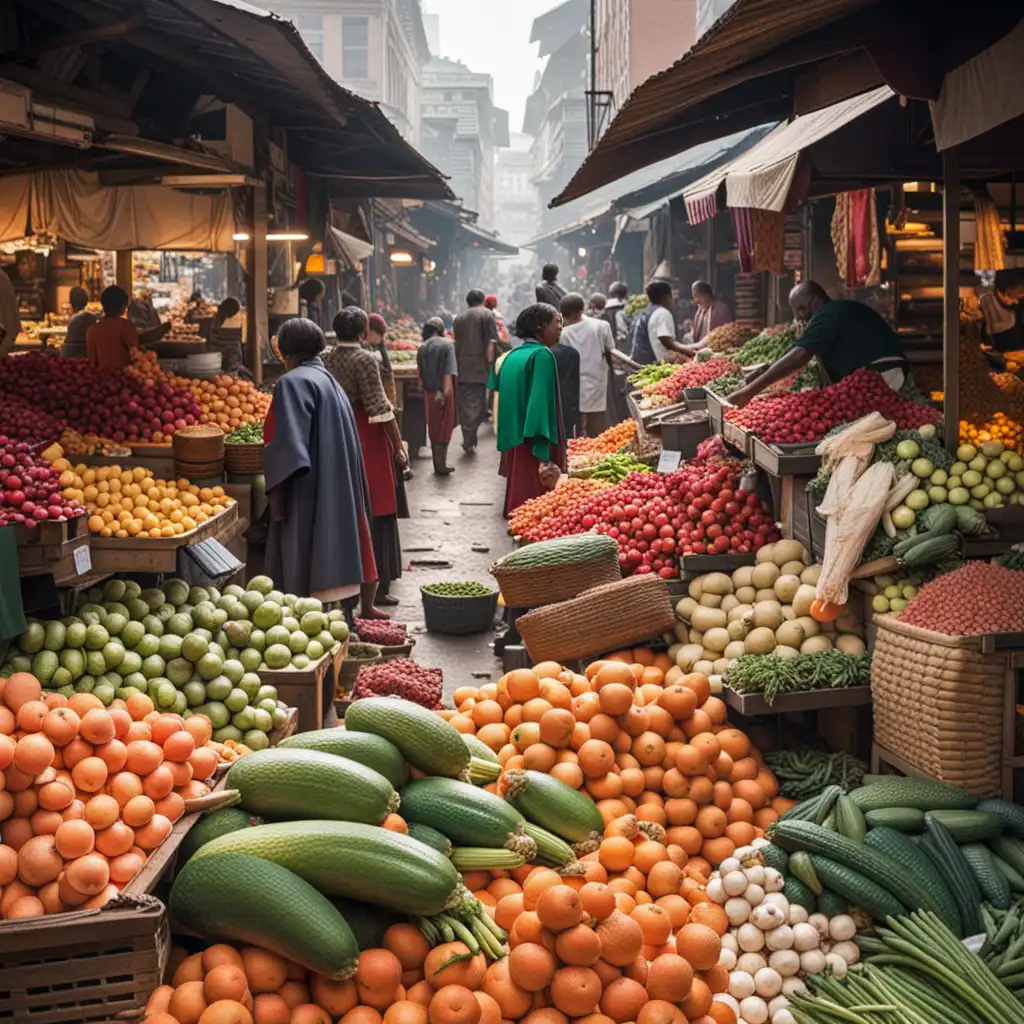
Excess across a wide range
The market is experiencing a superabundance of supply.

ˌsuːpərəˈbʌndəns
Genesis in excessive number
The fertile environment created a superabundance of species.
오디오를 불러오지 못했어요. 잠시 후 다시 시도해 주세요.
Superabundance is a word that is used to describe a situation where there is a large amount of something available. For example, if there were a superabundance of food at a party, it would mean that there is a lot of food available for everyone to eat. Similarly, if there were a superabundance of flowers in a garden, it would mean that there are a lot of flowers growing in the garden. This word is often used to emphasize the overwhelming amount of something that is present in a particular situation.
Abundance means having more than enough of something. For example, if you have an abundance of food in your refrigerator, it means you have plenty to eat.
Superabundance means having an excessive amount of something, far beyond what is necessary. For example, if you have a superabundance of toys, it means you have so many that you probably can't even play with all of them.
Abundance is applicable in situations where there is a lot of something, but it is still within reasonable limits.
Superabundance is applicable in situations where there is more than you could ever need or use.
단어 열기: Abundance →Ample means having enough, sufficient or plenty of something. For example, you might say that a buffet has ample food to choose from.
Superabundance means having an excessive amount of something, more than is needed. For example, you might say that a billionaire's wealth is a superabundance of money.
In everyday language, the word ample is used more commonly to describe a reasonable amount of something, while superabundance is a more formal or literary word used to convey an excessive amount.
단어 열기: Ample →Excess means having more of something than is necessary or desired, often leading to negative consequences. For example, eating excess food can lead to obesity and health problems.
Excess is used when there is too much of something and it is causing harm, while superabundance means there is an abundance or surplus of something that is a positive thing.
단어 열기: Excess →Overflow means to spill over or exceed the capacity of something, while superabundance means an excessive amount or surplus beyond what is needed.
Overflow usually describes a situation where something is too full and spills over, like a sink overflowing with water.
Overflow refers to a physical or literal spillover, while superabundance refers to an excessive amount of something.
단어 열기: Overflow →The words plenitude and superabundance both mean an excess or abundance of something, but plenitude usually refers to a completeness or fullness of something, while superabundance implies an overwhelming or excessive amount.
For example, plenitude might describe a meal that leaves you feeling completely satisfied or a garden that is blooming to its fullest potential.
Plenitude is more often used to describe a positive fullness or completeness, while superabundance can have negative connotations of excess or waste.
단어 열기: Plenitude →Both plenty and superabundance mean a large amount or quantity of something.
However, plenty is a more commonly used word to describe an amount that is sufficient or enough. Superabundance describes an amount that is excessive or beyond what is needed.
For example, if someone has plenty of food, they have enough to eat and are not hungry. If someone has a superabundance of food, they have far more food than they could possibly eat or need.
Plenty is a more everyday word to describe a lot of something, while superabundance describes an excessive amount of something.
단어 열기: Plenty →Both words mean an abundance, but profusion usually describes a large amount or variety of something, while superabundance describes an excessive or unnecessary amount.
For example, you might say "the garden was filled with a profusion of colorful flowers," meaning there were many different types of flowers in a large quantity.
Profusion is used to express abundance while superabundance is used to express excessiveness.
단어 열기: Profusion →Superfluity refers to an excessive amount of something that is unnecessary or wasteful. For example, a person may have a superfluity of clothes in their closet, meaning that they have more clothes than they need, and some of them are never worn.
Superabundance describes an excess of something valuable or useful, while superfluity describes an excess of something unnecessary or wasteful.
단어 열기: Superfluity →A surplus refers to an excess amount of something that is not needed or cannot be used. For example, a surplus of goods or products that are not selling well or a surplus of money that is not being invested.
Surplus can also refer to things that are leftover or unused.
Superabundance describes an excess amount of something that is useful or desirable, whereas surplus describes an excess amount of something that is not needed or useful.
단어 열기: Surplus →A mother should give her children a superabundance of enthusiasm; that after they have lost all they are sure to lose on mixing with the world, enough may still remain to prompt fated support them through great actions.