gambol
verb gambol
ˈɡæmbl
To jump or run around playfully
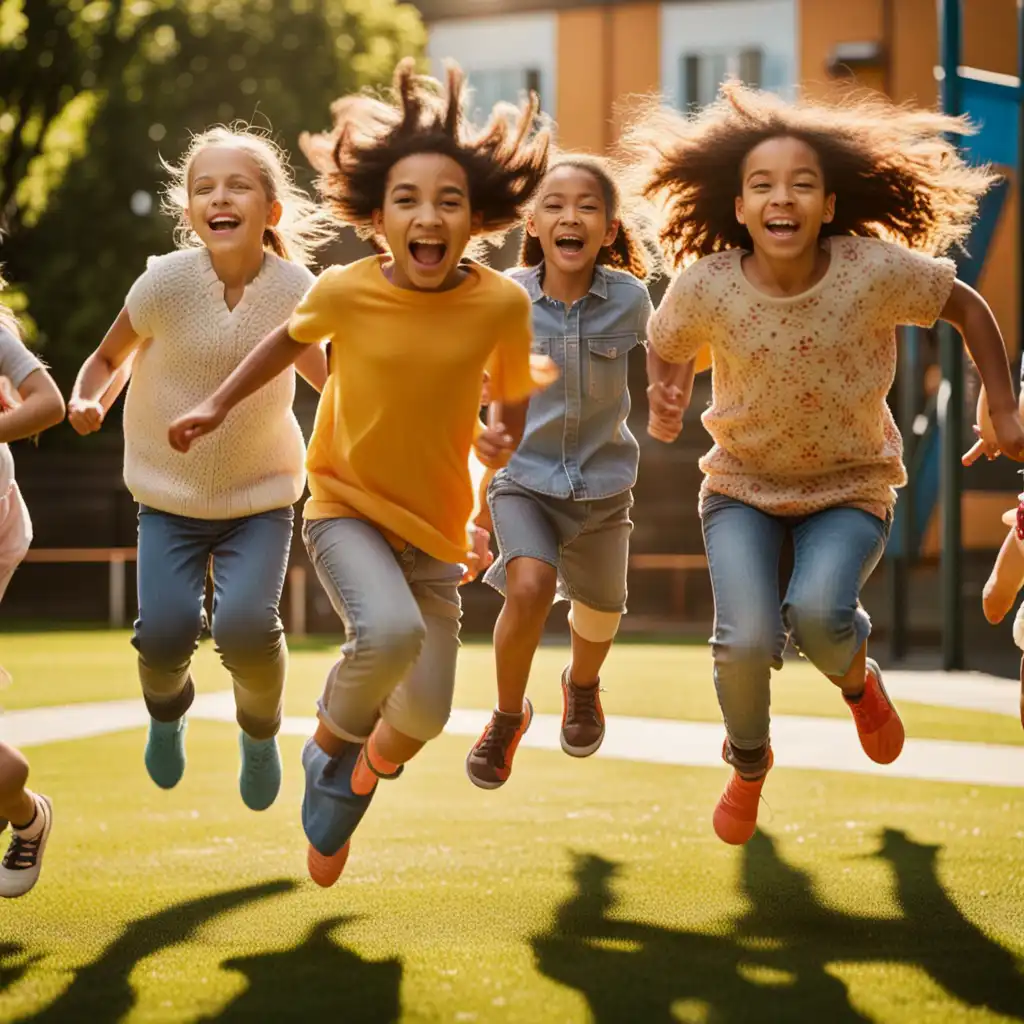
The children gambol around the playground during recess.
gambol
ˈɡæmbl
読み込み中…
ˈɡæmbl
To jump or run around playfully
The children gambol around the playground during recess.
音声を読み込めませんでした。しばらくしてからもう一度お試しください。
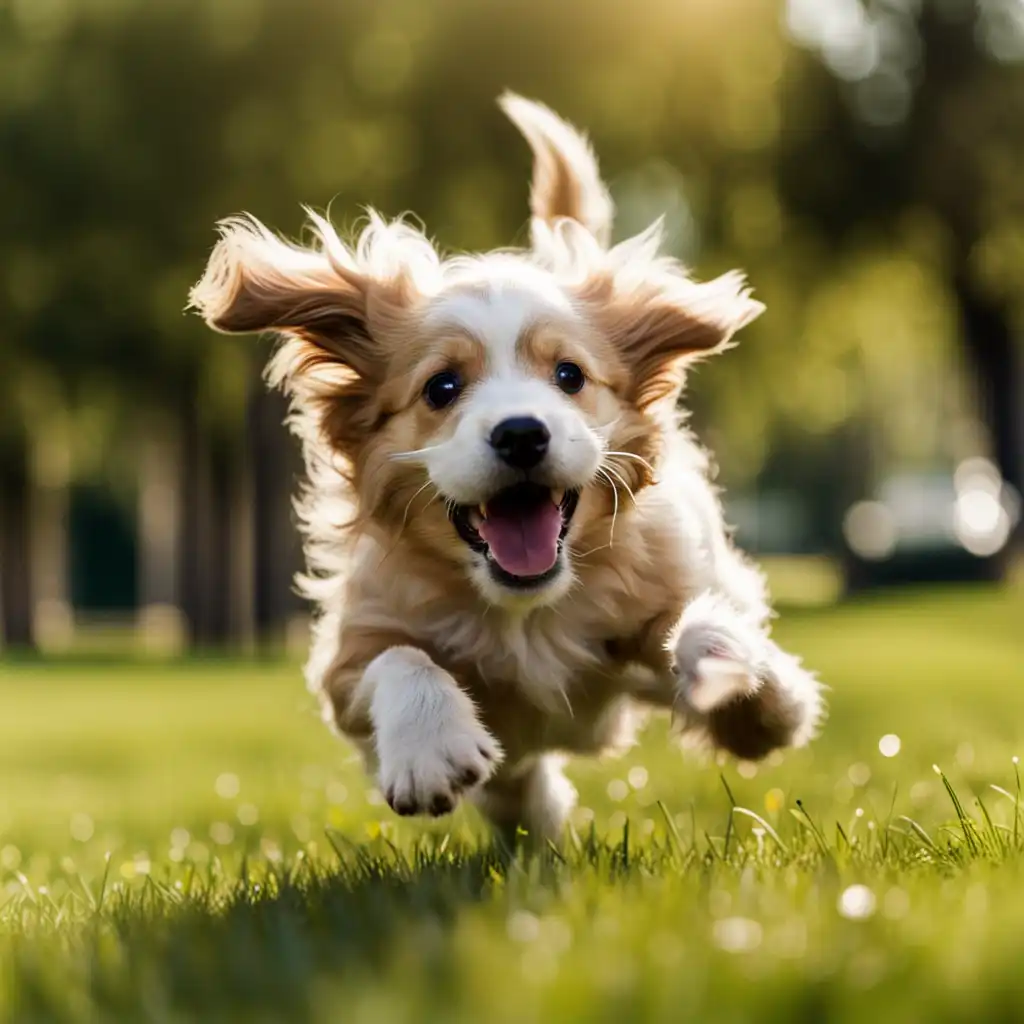
The word 'gambol' means to play or jump around joyfully. It is usually used to describe the playful behavior of animals, like a lamb or a puppy. You can also use it to describe when people are playful and free-spirited, like children skipping or twirling in a field. So, if you want to talk about how animals or people are playing and having fun, you can use the word 'gambol'.
Caper refers to a playful and often mischievous leap or skip, while gambol refers to a joyful and carefree run or jump.
Caper is applicable in situations where a person jumps and frolics in a playful or silly way, while gambol describes more energetic and unstructured movements, like those of a child playing outside.
Essentially, a caper is a specific type of movement while gambol is a broader term for playful activities.
単語を開く: Caper →Both cavort and gambol describe playful and energetic movements, but cavort usually implies a more mischievous or boisterous behavior, while gambol suggests a more gentle and carefree bounding or frolicking.
For example, a group of children might gambol in a meadow, leaping and playing with joy, while a group of teenagers might cavort in a parking lot, jumping around, making noise, and generally causing a ruckus.
Gambol can be used in more innocent or charming contexts, while cavort is better suited to situations that involve a bit more exuberant or unruly behavior.
単語を開く: Cavort →Dance generally refers to a rhythmic movement of the body usually set to music, whereas the word gambol refers to more playful and energetic movements, often associated with frolicking or cavorting.
Dance is typically used for formal or structured movements like ballet, ballroom, or contemporary dance. Gambol is more commonly used for playful and spontaneous movements like that of a young animal in the wild, or when someone is skipping, hopping, or jumping joyfully.
In simpler terms, dance is more like following a set of rules or choreography, whereas gambol is more like letting loose and having fun.
単語を開く: Dance →Frolic and gambol are both verbs that mean to play or romp around, but they are slightly different in their usage.
Frolic usually implies a sense of joy and innocent playfulness, often with a group of people, animals or inanimate objects.
For example, children might frolic in a park or puppies might frolic in a meadow.
In short, both words describe playful activity, but frolic is typically used in more social settings with humans or objects, while gambol is used more in nature with animals.
単語を開く: Frolic →Gambol refers to lively, playful jumping or frolicking, typically done by animals or children. Play is a broader term that can refer to engaging in any activity for fun or enjoyment, including games, sports, or imaginative play.
For example, a puppy might gambol around in a field, while children might play tag or pretend to be pirates. Gambol is typically used to describe specific types of playful movement, while play can refer to a wider range of enjoyable activities.
単語を開く: Play →The words gambol and prance refer to similar actions but are used in slightly different contexts.
Prance is also a verb that refers to a playful movement, but it often implies a sense of pride or showiness.
It is often used to describe the way that horses move, or to describe the way that someone confidently struts around. For example, "The horse pranced around the ring, lifting its hooves gracefully.".
In other words, gamboling is playful and carefree, while prancing is playful but also somewhat showy.
単語を開く: Prance →Both gambol and romp refer to playing, but they have slightly different connotations.
Romp, on the other hand, suggests a more vigorous, energetic play, often involving chasing or wrestling. For example, dogs might romp around and playfully nip at each other in a park.
Overall, both words can describe playful activities, but gambol is more associated with light-hearted movement and romp is more associated with energetic play.
単語を開く: Romp →Skip refers to a light jump or hop, often used when moving quickly or lightly.
It can be used by humans, animals, or objects such as stones when skipping on water. Gambol is more energetic and playful while skip is quicker and lighter.
単語を開く: Skip →We all have these places where shy humiliations gambol on sunny afternoons.