spiciness
noun spiciness
ˈspaɪsinəs
The hot, strong, biting taste of food or drink
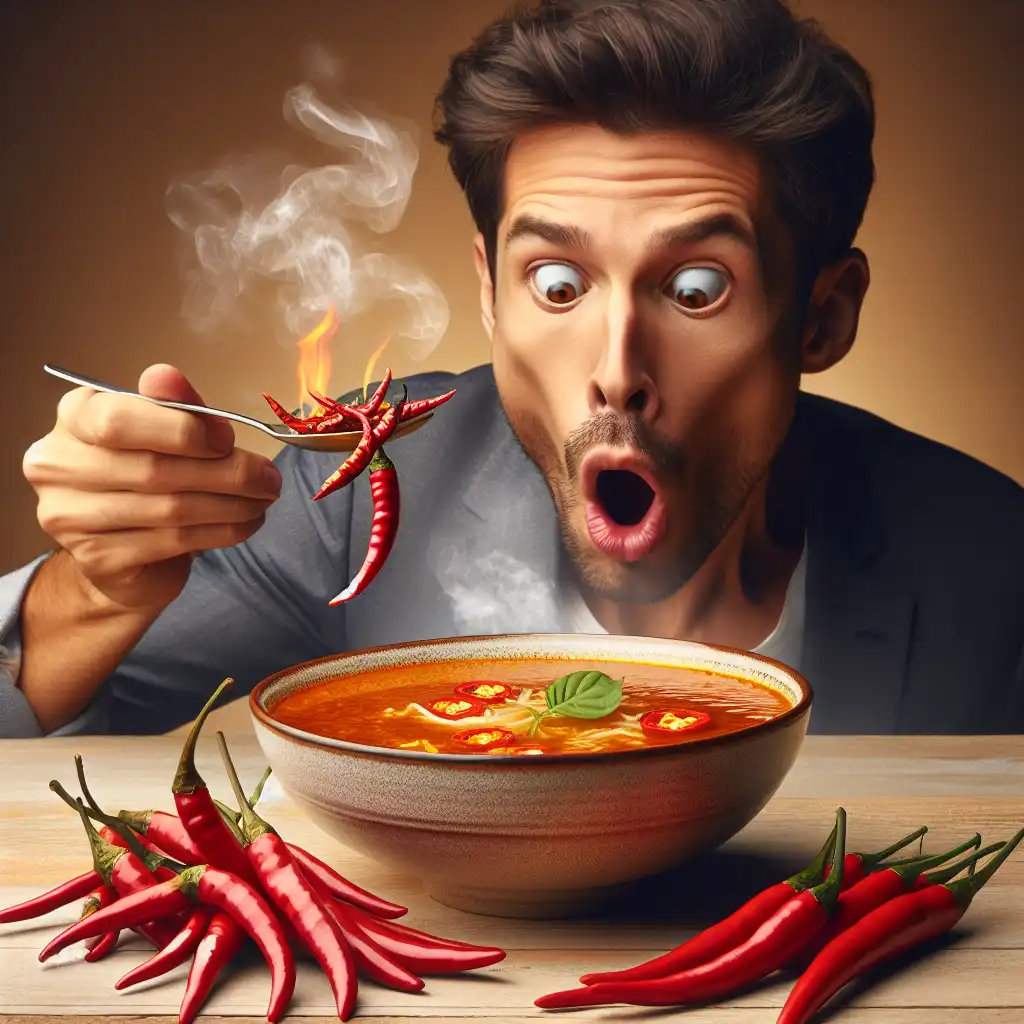
I was surprised by the intense spiciness of the Thai soup.
spiciness
ˈspaɪsinəs
Chargement…
ˈspaɪsinəs
The hot, strong, biting taste of food or drink
I was surprised by the intense spiciness of the Thai soup.

ˈspaɪsinəs
The quality or state of being spicy, lively, or tangy
Her storytelling added a spiciness to the evening.
Impossible de charger l’audio. Réessayez plus tard.
'Spiciness' is a word used to describe the hot or pungent flavor that comes from adding spices or hot peppers to food. It can refer to a mild spiciness, like in a mild salsa, or to a very hot spiciness, like in a spicy curry. For example, you might say that the chili you ordered at a restaurant has a lot of spiciness, or that you prefer foods with a little bit of spiciness but not too much. It's a common term used when people talk about their preferences in food, and it's important to know if you're trying new dishes or ordering food at a restaurant.
Bite refers to the physical sensation of sharpness or pressure that comes from biting into something, like a piece of fruit or a sandwich.
Bite is applicable when referring to the act of eating or biting into something, while spiciness is applicable when describing the level of heat or pungency in food.
Ouvrir le mot: Bite →Fire refers to the heat or burning sensation that we feel when we consume something. This can be due to physical heat (such as touching a hot stove) or chemical heat (such as eating spicy food).
While both words can describe a hot or burning sensation, fire is more generally used to describe physical heat, while spiciness specifically refers to the sensation caused by chili peppers or other spicy foods.
Ouvrir le mot: Fire →Heat and spiciness are both related to taste, but they refer to different things. Heat refers to the physical sensation of warmth or burning that you might feel in your mouth or throat when you eat something spicy.
Heat is applicable to describe the physical sensation, while spiciness is applicable to describe the flavor. For example, a jalapeño pepper might be described as both hot and spicy, as it has a distinctive flavor as well as causing a burning sensation.
Ouvrir le mot: Heat →Intensity refers to the strength or power of a taste or sensation, while spiciness refers specifically to the heat produced by adding spices, such as chili pepper or black pepper, to food.
Intensity can be applied to any taste, while spiciness is limited to tastes that include spicy flavors. For example, a very strong bitter taste could be described as intense, but not spicy.
Ouvrir le mot: Intensity →Piquancy refers to a sharp or tangy flavor that stimulates the taste buds in the mouth. It is commonly used to describe the flavor of foods that have a pleasant, slightly spicy, and slightly sweet taste.
Spiciness is more focused on the level of heat in the food, while piquancy is more focused on the overall flavor. Piquancy is applicable to foods that have a zingy, sharp, or tangy flavor, while spiciness is applicable to foods that have a strong, intense, or fiery heat.
Ouvrir le mot: Piquancy →Sharp refers to the intensity or suddenness of a sensation while spiciness refers to the heat or pungency of a flavor.
Sharp can describe a sudden pain or a rapidly increasing volume, while spiciness describes the level of heat in spicy foods like chili peppers or curry.
Essentially, sharp applies to any sudden or intense sensation, while spiciness is specifically used to describe a certain type of flavor.
Ouvrir le mot: Sharp →Tang refers to a sharp or sour taste that adds a zing to a food, often from ingredients like vinegar or citrus.
Spiciness is applicable to foods like chili or curry, while tang is applicable to foods like pickles or salad dressings.
Ouvrir le mot: Tang →Zest refers to a lively or invigorating quality in flavor, often attributed to the presence of citrus or other tangy ingredients.
It is applicable in describing a refreshing or tangy flavor, such as the zest of lemon in a pasta dish or a zest for life.
Spiciness refers to heat and zest refers to a lively or tangy quality in flavor.
Ouvrir le mot: Zest →The science of spiciness...
Voir sur YouTube ↗I definitely love kimchi. The biggest influence that eating so much Korean food growing up had on me was that I have no limit for spiciness. The hotter the better.
Kirmizi biber has a sweet aroma and can vary in spiciness.
I think layering is key for fall along with a really colorful scarf to bring spiciness to the outfit.