
sufficiency
noun sufficiency
səˈfɪʃnsi
The state of being enough or sufficient
The sufficiency of the evidence was in question.
sufficiency
səˈfɪʃnsi
読み込み中…
səˈfɪʃnsi
The state of being enough or sufficient
The sufficiency of the evidence was in question.

səˈfɪʃnsi
A sufficient amount or supply
They had a sufficiency of food for the winter.
səˈfɪʃnsi
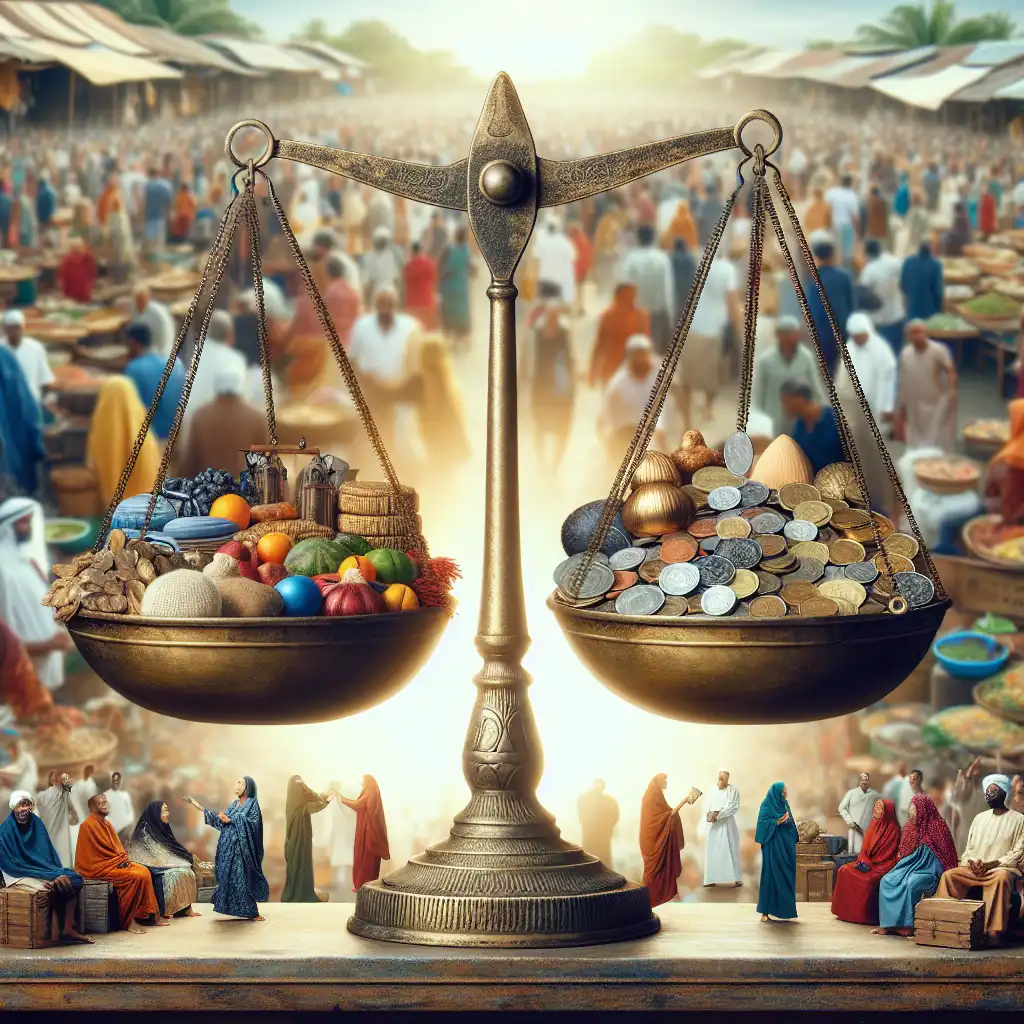
In economics, the state when supply equals demand
The market reached sufficiency after a few months of volatility.

səˈfɪʃnsi
In law, the adequacy of the legal procedures used
The lawyer questioned the sufficiency of the legal process.
音声を読み込めませんでした。しばらくしてからもう一度お試しください。
Sufficiency means having enough of something. It can be used in many contexts, such as when talking about having enough money to pay for things, having enough food to eat, or having enough time to complete a task. It is a word that suggests satisfaction with what one has, rather than striving for more. For example, if someone says "I have sufficiency of food and water," it means they have just enough of the things they need to survive. Overall, sufficiency refers to having enough to meet one's needs or desires without excess.
Adequacy means having enough of something to meet a standard or requirement, while sufficiency means having enough of something to satisfy a need or demand.
So application of adequacy could be used when talking about meeting a certain minimum requirement or standard, like having an adequate amount of fuel in a car to be able to travel a certain distance.
To summarize, adequacy is about meeting a standard, while sufficiency is about satisfying a need.
単語を開く: Adequacy →Amplitude refers to the amount or strength of something, usually in reference to waves, such as sound or light waves. It describes the maximum displacement of a wave from its resting or equilibrium position.
For example, in physics, amplitude describes the height of a sound wave, while sufficiency may refer to having enough data to make an accurate scientific conclusion.
In everyday life, amplitude might describe the volume of music, while sufficiency could refer to having enough money to pay rent.
単語を開く: Amplitude →Aptitude refers to a natural ability or talent for a particular task or subject. It relates to how well someone can perform a task or how quickly they can learn it.
Aptitude relates to innate abilities and talents, while sufficiency relates to having enough resources, skills, or knowledge to accomplish a task.
単語を開く: Aptitude →Capability refers to having the ability or potential to do something. Sufficiency refers to having enough or adequate resources to do something.
For example, a person may have the capability to lift a heavy object, but they may not have the sufficiency of strength to actually lift it.
In another situation, a company may have the capability to produce a product, but they may not have the sufficiency of materials to produce it in large quantities.
Capability is applicable when discussing one's potential or ability, while sufficiency is applicable when discussing resources or quantity.
単語を開く: Capability →Capacity refers to the maximum amount that something can hold or do, while sufficiency refers to having enough or being adequate.
For example, a cup has a capacity of 8 ounces of liquid. This means it cannot hold more than 8 ounces.
In terms of usage, capacity is more commonly used in quantitative or measurable terms. In contrast, sufficiency is more often used in qualitative or subjective terms.
単語を開く: Capacity →Competence refers to having the necessary skills, knowledge, and abilities to perform a task or job well. It means being capable, qualified, and proficient in a particular area.
Competence is about being able to do something well, while sufficiency is about having enough of something to meet a given standard or expectation.
Competence is applicable in situations where skills and abilities are needed, such as in work or sports, while sufficiency is applicable in situations where there are specific requirements or expectations that need to be met, such as in education or business.
単語を開く: Competence →Plenty means having more of something than is needed or wanted, such as having plenty of food at a party. It implies abundance and excess.
単語を開く: Plenty →Proficiency refers to a high level of skill or expertise in a particular area. For example, if someone is proficient in a language, they are very skilled and fluent in speaking, reading, and writing that language.
Proficiency indicates a high level of skill, while sufficiency indicates a basic level of competency. The term that is applicable depends on the specific context or situation.
For instance, proficiency may be required for a professional job, while sufficiency may be enough for everyday tasks.
単語を開く: Proficiency →Sufficiency refers to having enough of something, whereas suitability refers to something being appropriate or fitting for a particular purpose.
Sufficiency is about having enough of something, while suitability is about finding something that is appropriate for a certain purpose.
単語を開く: Suitability →The problem with...
YouTube で見る ↗There is a sufficiency in the world for man's need but not for man's greed.
Pico Iyer: A Portable...
YouTube で見る ↗Become aware of your own insufficiency.
Comparing the carbon...
YouTube で見る ↗Pay no heed to those who tell you that they have relinquished place and power of their own accord, and from their love of quiet. For almost always they have been brought to this retirement by their insufficiency and against their will.
The sufficiency of merit is to know that my merit is not sufficient.
There are creative ways to create pathways to sufficiency for families in need. To do so, we need to work together to implement good ideas.
No one wants growth, constant expansion, physical swelling. Growth is not a human value; it's a means to the ends of sufficiency and security. Once we have enough, no one wants more, unless it is sold to us as a cheap substitute for something else, something non-material.
The first modern novel was already a product, even an expression, of negative criticism: 'Don Quixote' contains a quite explicit critique of the chivalric romance and its insufficiency to account for the way real life feels when you get up in the morning in 17th-century Spain.
If you are apostles at all, you are apostles, not of men, nor by man. Your sufficiency is of God.
Do not imagine that what we have said of the insufficiency of our understanding and of its limited extent is an assertion founded only on the Bible: for philosophers likewise assert the same, and perfectly understand it,- without having regard to any religion or opinion.