autochthonous
adjective autochthonous
ɔːˈtɑːkθənəs
Originating or formed in the place where found; native.
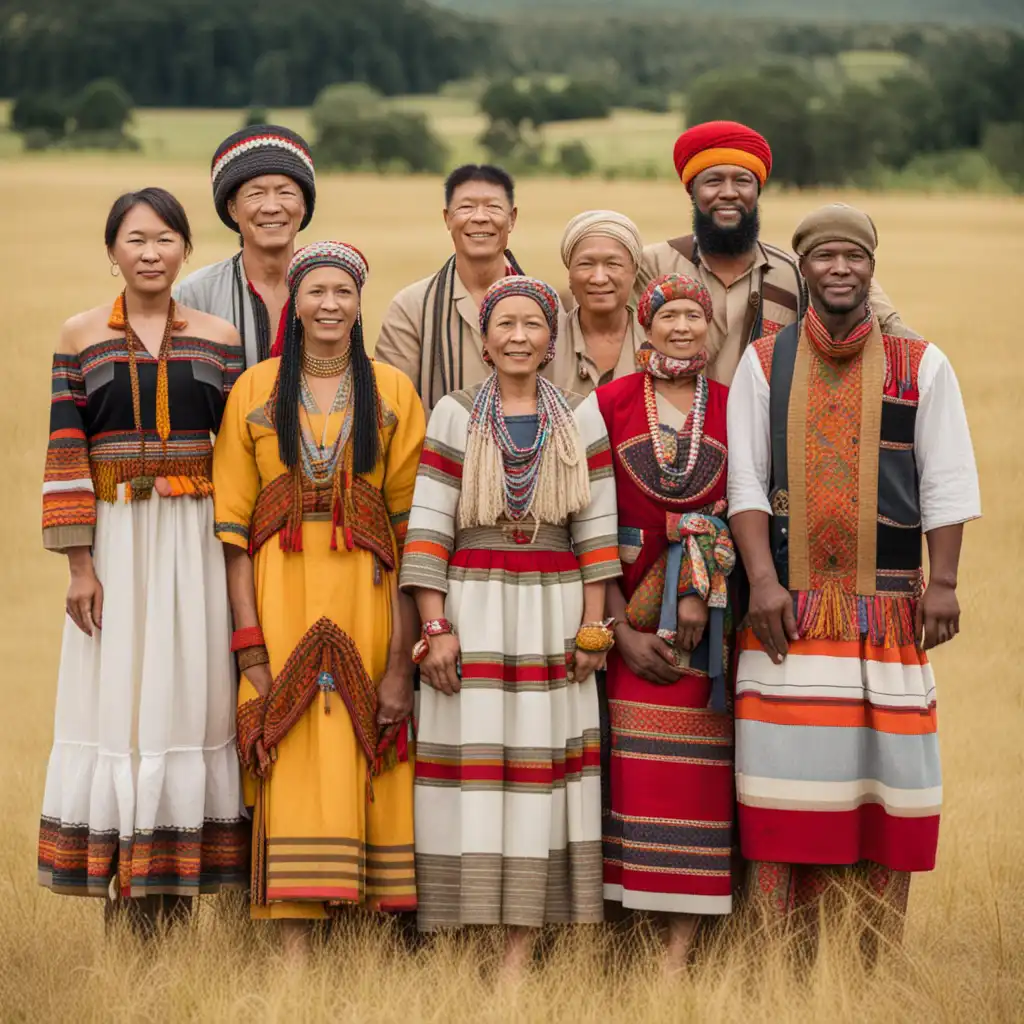
The autochthonous population of the country helps preserve traditional culture.
autochthonous
ɔːˈtɑːkθənəs
Loading…
ɔːˈtɑːkθənəs
Originating or formed in the place where found; native.
The autochthonous population of the country helps preserve traditional culture.
ɔːˈtɑːkθənəs
In medicine, refers to diseases, conditions or pathogens that are present in a specific location or population.
The spread of the autochthonous disease was successfully controlled.

ɔːˈtɑːkθənəs
In geology, refers to rocks or sediment that were formed in their current location.
The autochthonous layers of rock were left unaltered while the surrounding rocks were transformed.
Audio could not be loaded. Please try again later.
The word autochthonous is used to describe something or someone that originates or is native to a particular place. It is often used to describe plants, animals, or people that have been living in a specific location for a very long time. For example, the indigenous people of a certain area are considered autochthonous because they have lived there for generations. Another example would be a plant species that is found only in a specific region and has not been introduced from elsewhere. It is a more formal word that is used in academic or scientific writing.
Aboriginal refers to the native people or inhabitants of a particular place, often associated with Indigenous groups.
In practical terms, aboriginal tends to be used more frequently in discussions of Indigenous peoples, while autochthonous is a broader term that can refer to anything that is native to a particular place.
Open word: Aboriginal →Domestic refers to things that are related to human habitation or being kept as pets or livestock. Domesticated animals are those that have been tamed and bred specifically for human use or companionship, such as dogs or cows.
Autochthonous describes things that are naturally found in a certain place, while domestic refers to things that have been intentionally bred or brought into human use or care.
Open word: Domestic →Both autochthonous and endogenous refer to something originating from within.
However, autochthonous typically applies to living organisms that are native to a particular region or environment, while endogenous can refer to any process or substance that originates within an organism or system.
For example, a disease might be considered autochthonous if it is endemic to a certain area, whereas a hormone or enzyme might be considered endogenous if it is produced within the body.
Open word: Endogenous →However, autochthonous usually refers to people, animals or plants that are native to a specific place and have been there since the beginning of time, while indigenous refers to people, animals or plants that are native to a specific place, but not necessarily from the beginning of time.
For example, the Indigenous people of Australia are the Aboriginal and Torres Strait Islander people who have lived there for thousands of years, while the kangaroo is an autochthonous animal to Australia, as it has been there since the continent first existed.
Autochthonous is used more in scientific or academic contexts, while indigenous is used more in everyday language.
Open word: Indigenous →Inherent refers to something that is an essential part of the nature or character of a person or thing. For example, a person's personality traits or a material's chemical composition could be seen as inherent qualities.
Both words relate to the nature or origins of something, but autochthonous specifically relates to a particular place, while inherent relates to an essential quality of a person or thing.
Open word: Inherent →Innate refers to a quality or characteristic that is inherent or existing from birth. For example, humans have an innate ability to learn and communicate through language.
Autochthonous is applicable when referring to something that is specific to a certain location or region, while innate is applicable when referring to a quality or characteristic that is present from birth.
Open word: Innate →Local simply means something that is present in a specific area, regardless of whether it originated there or not.
To put it simply, autochthonous refers to something that has always been in a specific place, while local simply means something that is currently present in a specific place.
Open word: Local →Autochthonous refers to something that is original or native to a particular place, meaning it has always been there and is not introduced or brought in from elsewhere.
It is typically used to describe plants or animals that are native to a region, or people who have lived in a place for a long time.
Native also refers to something that is naturally from a particular place or has always lived there, but it can also refer to people or things that have been brought to a place and have become established over time.
For example, a person can be a native of a city even if they were not born there but moved there and have lived there for a long time to become part of the local culture.
So, while both autochthonous and native refer to things that are from a particular place, autochthonous is more specific in that it denotes something that is original and has always been there, while native is more general and can refer to things that have become established over time.
Open word: Native →For example, the Aboriginal people of Australia are considered autochthonous to the continent.
Original, on the other hand, means the first of something, or the beginning or source of something. For example, the original version of a song refers to the first recording or performance.
Autochthonous describes things that have always been a part of a particular place or culture, while original describes the first or earliest version of something.
Open word: Original →