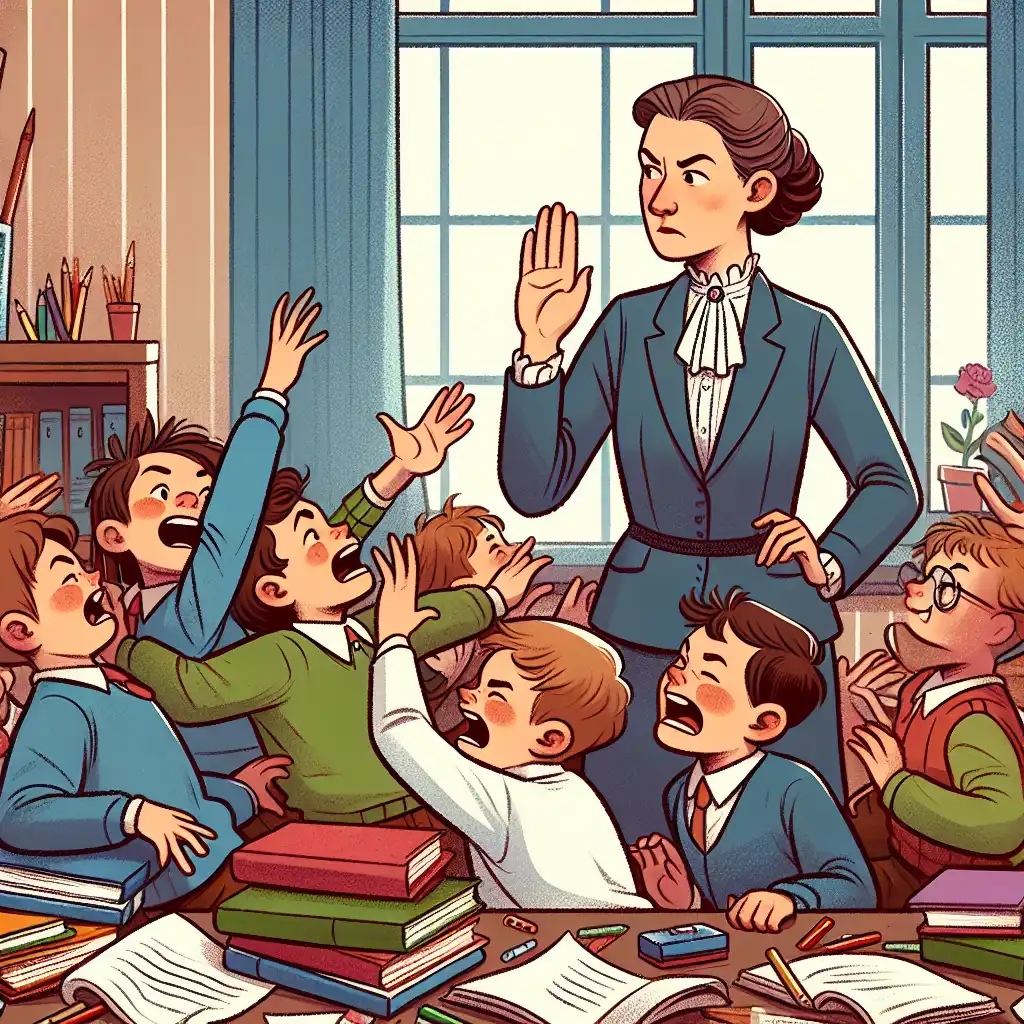
horseplay
noun horseplay
ˈhɔːrspleɪ
Rough, noisy and often dangerous activity done for fun or play
The teacher demanded an end to the horseplay in the classroom.
horseplay
ˈhɔːrspleɪ
불러오는 중…
ˈhɔːrspleɪ
Rough, noisy and often dangerous activity done for fun or play
The teacher demanded an end to the horseplay in the classroom.
오디오를 불러오지 못했어요. 잠시 후 다시 시도해 주세요.
Horseplay means rough, playful behavior that can sometimes lead to accidents or injuries. It usually involves physical actions like pushing, shoving, wrestling, or chasing. People often horse around with their friends or siblings, but it's important to know when not to do it. Horseplay is inappropriate in serious situations such as school, work, or public places where you might accidentally hurt someone or damage property. So, it's best to save horseplay for times and places where it's safe and appropriate, like at home or in a park.
Both antics and horseplay refer to playful or mischievous behavior, but there are some subtle differences between them.
Antics generally refer to playful or silly behavior that is meant to be entertaining or humorous, often performed in front of an audience or for the purpose of making someone laugh.
For example, a comedian might engage in antics on stage, or a group of friends might perform silly antics while hanging out together.
Antics suggests playful or humorous behavior, while horseplay suggests more physical and sometimes less controlled play.
단어 열기: Antics →Clown refers to a person who wears funny clothes and make-up to make people laugh.
A clown is a performer who tries to make people laugh, while horseplay is playful but rough physical activity that can potentially be harmful.
단어 열기: Clown →Jest refers to joking or teasing behavior that is intended to be humorous and often harmless.
Horseplay involves rough and potentially dangerous behavior, while jest involves playful and humorous teasing.
단어 열기: Jest →It is usually done in good fun, but can sometimes go too far and become dangerous. Mischief refers to behavior that is intended to cause harm or damage, but is not necessarily physical.
It can include things like pranks, vandalism, or theft. Horseplay is usually harmless fun, but mischief is more malicious and can have negative consequences.
단어 열기: Mischief →Prank refers to a playful or mischievous act that is intended to amuse or trick someone, often without causing harm or damage.
Pranks can range from harmless jokes, such as hiding someone's phone to more elaborate practical jokes, like setting up a fake spider to scare someone.
단어 열기: Prank →Horseplay implies rough or rowdy behavior that can be physical, while tomfoolery refers to silly or foolish behavior that can be playfully mischievous.
Horseplay is applicable when people engage in playful roughness, like wrestling or pushing. Tomfoolery is used when people play practical jokes or indulge in silly behavior for fun.
Both words can describe playful behavior, but horseplay is physical and rough, while tomfoolery is more focused on humor and mischief.
단어 열기: Tomfoolery →Drunken Cowboy Party %\PIPE%...
YouTube에서 보기 ↗