
solemnity
noun solemnity
səˈlemnəti
The state or quality of being serious and dignified.
The ceremony was conducted with great solemnity.
solemnity
səˈlemnəti
Cargando…
səˈlemnəti
The state or quality of being serious and dignified.
The ceremony was conducted with great solemnity.
səˈlemnəti
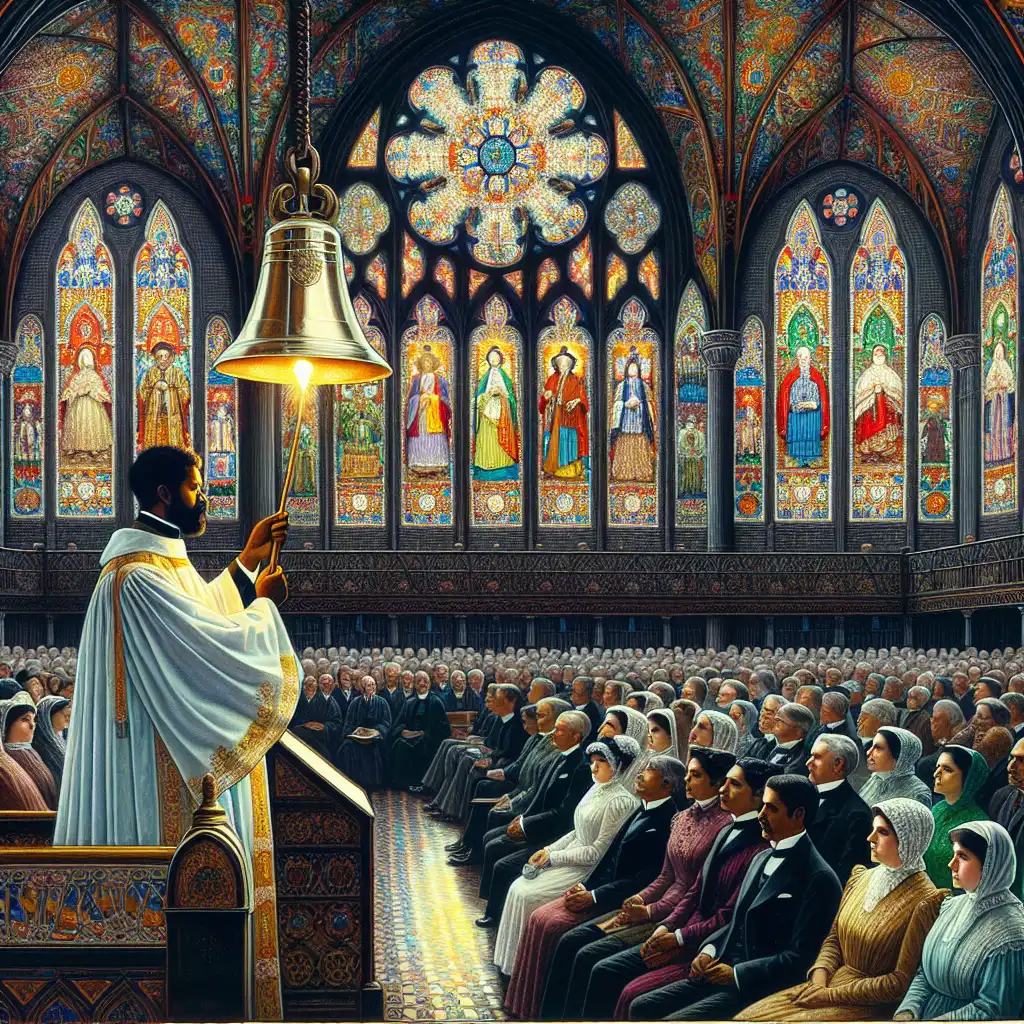
A formal, dignified rite or ceremony.
The solemnity of the occasion was marked by the ringing of bells.
səˈlemnəti
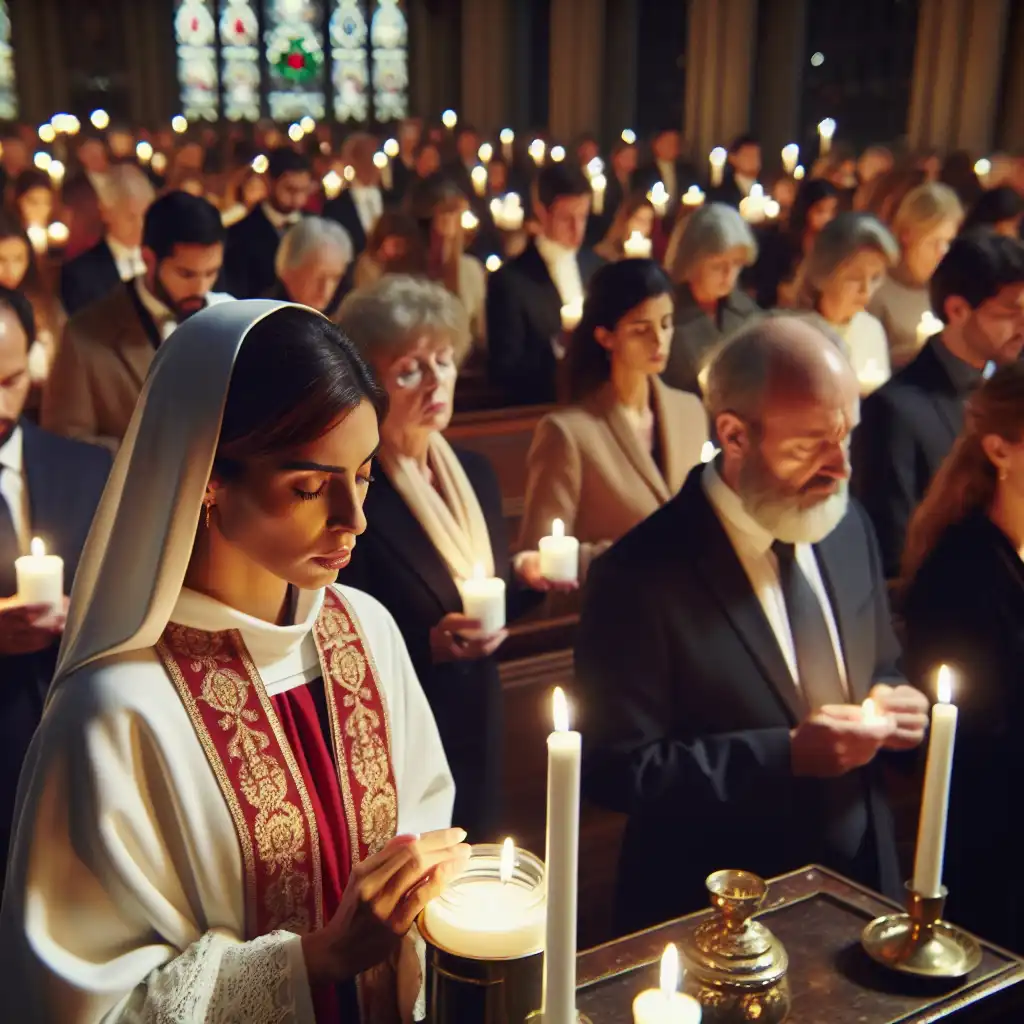
A day or event that is characterized by a formal, serious, or earnest observance.
Christmas is a solemnity in the Christian calendar.
No se pudo cargar el audio. Inténtalo de nuevo más tarde.
The word 'solemnity' is usually used to describe a serious and dignified event or occasion that is formal or religious in nature, such as a wedding, funeral, or religious service. It conveys a sense of reverence and respect, and is often associated with a certain level of solemnity and decorum that is expected of those attending the event.
Austerity refers to the practice of being very strict and frugal, often in regards to money and resources. This term is often used in economics or politics to describe a time when people or governments are cutting back on spending or resources.
The main difference between these two terms is that austerity pertains to the handling of finances or resources, while solemnity pertains to behavior or mood in a ceremonial or formal setting.
Abrir palabra: Austerity →Dignity refers to a sense of worth and respectability that one carries themselves with, regardless of the circumstances.
Dignity is an inherent quality of character, while solemnity is a behavior or tone that is adapted to convey respect and honor for a somber or significant occasion.
Abrir palabra: Dignity →Earnest means being sincere and serious in one's intentions or efforts. It is applicable in situations where someone is determined and committed to achieving a goal or fulfilling a responsibility.
For example, a student may be earnest in their efforts to complete their homework on time.
Abrir palabra: Earnest →Formality refers to the prescribed or expected behavior, actions, or language expected in a particular situation or setting.
Formality refers to following the expected rules and behavior, while solemnity refers to a serious and respectful tone or emotion.
Abrir palabra: Formality →Gravity refers to the physical force that pulls objects towards each other, like the force that keeps us on the ground.
Gravity is applicable to physical forces and serious situations, while solemnity is applicable to serious attitudes and formal events.
Abrir palabra: Gravity →Reverence refers to a feeling of deep respect and admiration for someone or something.
It is often used in the context of religious worship, such as showing reverence for a deity.
Both words convey a sense of seriousness and respect, but reverence is more focused on admiration and worship, while solemnity is more focused on formality and seriousness.
Abrir palabra: Reverence →Serious means to be sincere and focused on an important matter.
It can be applied to a situation that demands attention and requires action. For example, a doctor may have a serious look on their face when discussing important medical results with a patient.
Serious describes a situation that requires attention and action, while solemnity describes an occasion that requires respect and a sense of gravity.
Abrir palabra: Serious →Sobriety refers to being serious and reasonable in one's behavior, especially when it comes to drinking alcohol. It is applicable in situations where someone needs to avoid alcohol or substances that can impair their judgment, such as when they are driving or working.
Sobriety relates to personal behavior and responsibility, while solemnity relates to the atmosphere and tone of an event or occasion.
Abrir palabra: Sobriety →Paula Scher: Great...
Ver en YouTube ↗I have been aware all the time that my peoples, spread far and wide throughout every continent and ocean in the world, were united to support me in the task to which I have now been dedicated with such solemnity.
Because of its tremendous solemnity death is the light in which great passions, both good and bad, become transparent, no longer limited by outward appearences.
If you're serious, you really understand that it's important that you laugh as much as possible and admit that you're the funniest person you ever met. You have to laugh. Admit that you're funny. Otherwise, you die in solemnity.
As a model, I didn't have an identity; I was a chameleon, a silent actress. I was an amorphous thing. I wasn't full of personality, I was full of solitude and solemnity. I wasn't a cover-girl type.
There is no absurdity so palpable but that it may be firmly planted in the human head if you only begin to inculcate it before the age of five, by constantly repeating it with an air of great solemnity.
Some people write heavily, some write lightly. I prefer the light approach because I believe there is a great deal of false reverence about. There is too much solemnity and intensity in dealing with sacred matters; too much speaking in holy tones.
Caution: These verses may be hazardous to your solemnity.
Gloom and solemnity are entirely out of place in even the most rigorous study of an art originally intended to make glad the heart of man.
Ability is commonly found to consist mainly in a high degree of solemnity.
Roald Dahl pioneered a new kind of literature for youngsters, one that dispensed with cant and solemnity, favoring anarchy and joy over duty and humbuggery while acknowledging that oftentimes no good deed goes unpunished. But ultimately, it was his sheer joie de vivre that carried the day.