immaturity
noun immaturity
ˌɪməˈtʃʊrəti,ˌɪməˈtʊrəti
The state of not being fully developed or grown
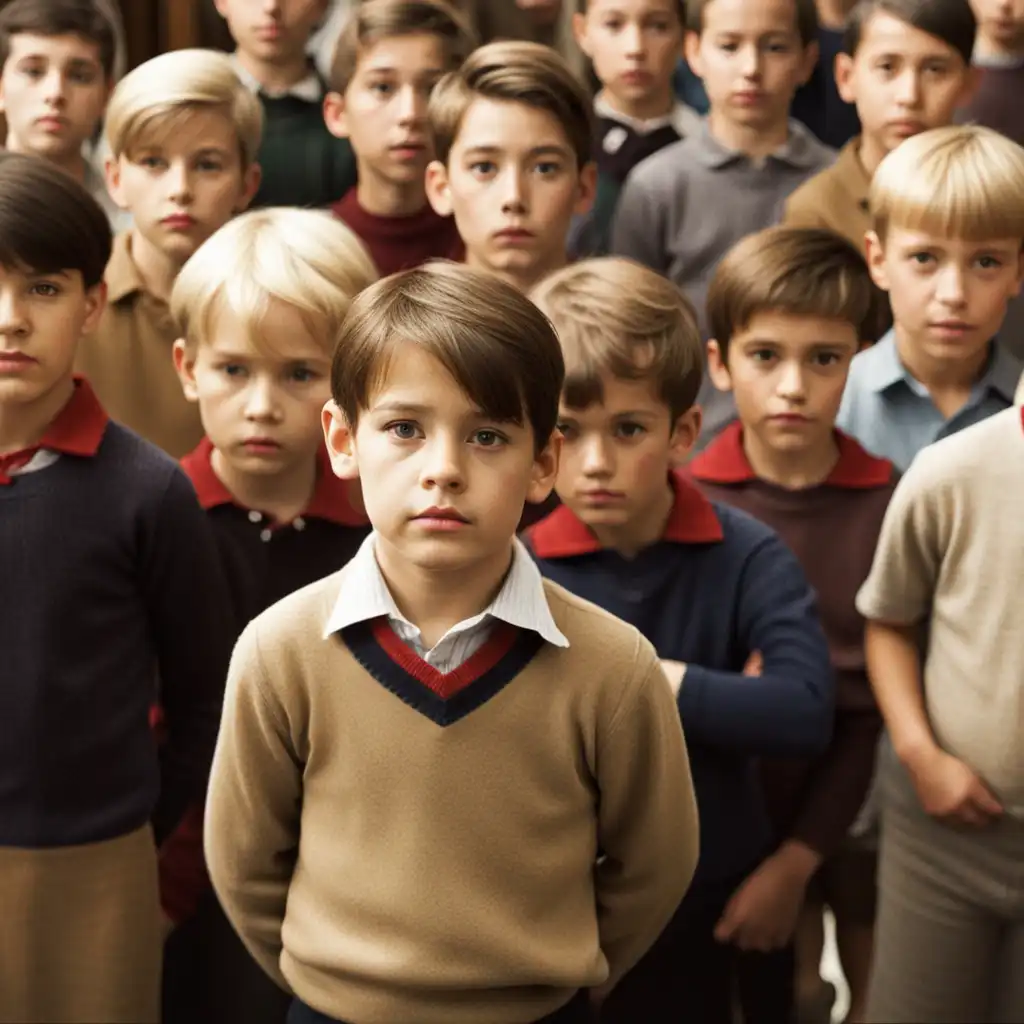
His physical immaturity was clear as he was much smaller than the other boys his age.
immaturity
ˌɪməˈtʃʊrəti,ˌɪməˈtʊrəti
Loading…
ˌɪməˈtʃʊrəti,ˌɪməˈtʊrəti
The state of not being fully developed or grown
His physical immaturity was clear as he was much smaller than the other boys his age.

ˌɪməˈtʃʊrəti,ˌɪməˈtʊrəti
Behavior that is appropriate for someone younger
The teacher was frustrated with the immaturity of her students.

ˌɪməˈtʃʊrəti,ˌɪməˈtʊrəti
Lack of wisdom or judgement because of young age or lack of experience
The immaturity of their decision making was a huge problem for the company.
Audio could not be loaded. Please try again later.
The word 'immaturity' is used to describe a person who is not fully grown up or acts in a childish way. For example, if someone throws a temper tantrum or does not take responsibility for their actions, they may be called 'immature'. It's important to use this word in respectful and appropriate situations, such as when discussing someone's behavior in a professional or educational setting. It's also important to remember that everyone develops and matures at their own pace, so we should not judge or criticize someone for being 'immature'.
Adolescent refers to a stage in life where a person is transitioning from being a child to an adult. It is a natural process, and during this time, teenagers experience physical, mental and emotional changes.
Adolescent refers to a stage of development, while immaturity refers to a behavior trait.
Open word: Adolescent →Baby refers to a young child or infant, while immaturity refers to a lack of emotional or mental maturity in a person.
Baby can describe someone who is very young, while immaturity describes someone who is behaving in a childish or irresponsible manner.
A baby is a young child, while immaturity means not acting like an adult, no matter what age you are.
Open word: Baby →Childish refers to behavior or actions that are typical of a young child. For example, throwing a tantrum or refusing to share toys could be considered childish behavior.
While both terms relate to behavior that is not fully developed or mature, childish typically refers to specific actions or behaviors that are more typical of younger children, while immaturity describes a more general lack of maturity.
Childish describes specific behaviors, while immaturity describes a general lack of maturity.
Open word: Childish →Inexperience refers to a lack of knowledge or skill in a particular area. It is applicable when someone has not had the opportunity to learn or gain experience in a specific skill or activity.
For example, a 15-year-old who throws a tantrum when they don't get their way is showing immaturity. A 15-year-old who has never driven before and is nervous behind the wheel is showing inexperience.
Open word: Inexperience →Juvenile specifically refers to young people who are not yet fully grown or mature.
For example, a teenager who is caught graffitiing a building might be charged with "juvenile delinquency."
In summary, both words refer to a lack of maturity, but immaturity is a broader term that can apply to people of any age, while juvenile specifically refers to young people or is used in a legal context.
Open word: Juvenile →Naive refers to a lack of experience or understanding about the realities of the world, often resulting in a lack of critical thinking or skepticism towards others.
Immaturity refers more to a lack of capability or skills, while naivety refers more to a lack of knowledge or experience.
Immaturity is often applicable towards younger individuals who are still growing and learning how to navigate the world, while naivety can occur at any age and doesn't necessarily correlate with age or experience.
Open word: Naive →Ripe refers to something that is fully developed and ready to be harvested or used. This can apply to fruits and vegetables, which are ready to be eaten when they are fully ripe.
Immaturity means not being fully grown up, while ripe means fully developed and ready to be used or consumed.
Open word: Ripe →Underdeveloped refers to a thing or person that has not reached its full potential or expected level of growth, yet. It is applicable when describing physical or cognitive aspects, such as an underdeveloped country, an underdeveloped skill, or an underdeveloped brain.
Immaturity is when someone behaves in a way that is not appropriate for their age or situation, while underdeveloped refers to something that is not yet fully grown or accomplished.
Open word: Underdeveloped →How do we reason for a...
Watch on YouTube ↗From an evolutionary perspective children are, literally, designed to learn. Childhood is a special period of protected immaturity. It gives the young breathing time to master the things they will need to know in order to survive as adults.
Dare to refuse the...
Watch on YouTube ↗Oh the Christian church has encouraged enormous immaturity among the peoples who are its primary adherence.
The Battle for the Soul...
Watch on YouTube ↗I am neither bitter nor cynical but I do wish there was less immaturity in political thinking.
Immaturity is the incapacity to use one's intelligence without the guidance of another.
I am proud of my immaturity and political inexperience.
Politics are usually the executive expression of human immaturity.
For many, immaturity is an ideal, not a defect.
What I look forward to is continued immaturity followed by death.
Inconsistencies in men are generally testimony to their immaturity.
There's a level of immaturity to people who just can't clean up after themselves.